A Collection · Las Vegas History
Vintage matchbooks. Windows into the glamour, scandal,
and the legends of Las Vegas.
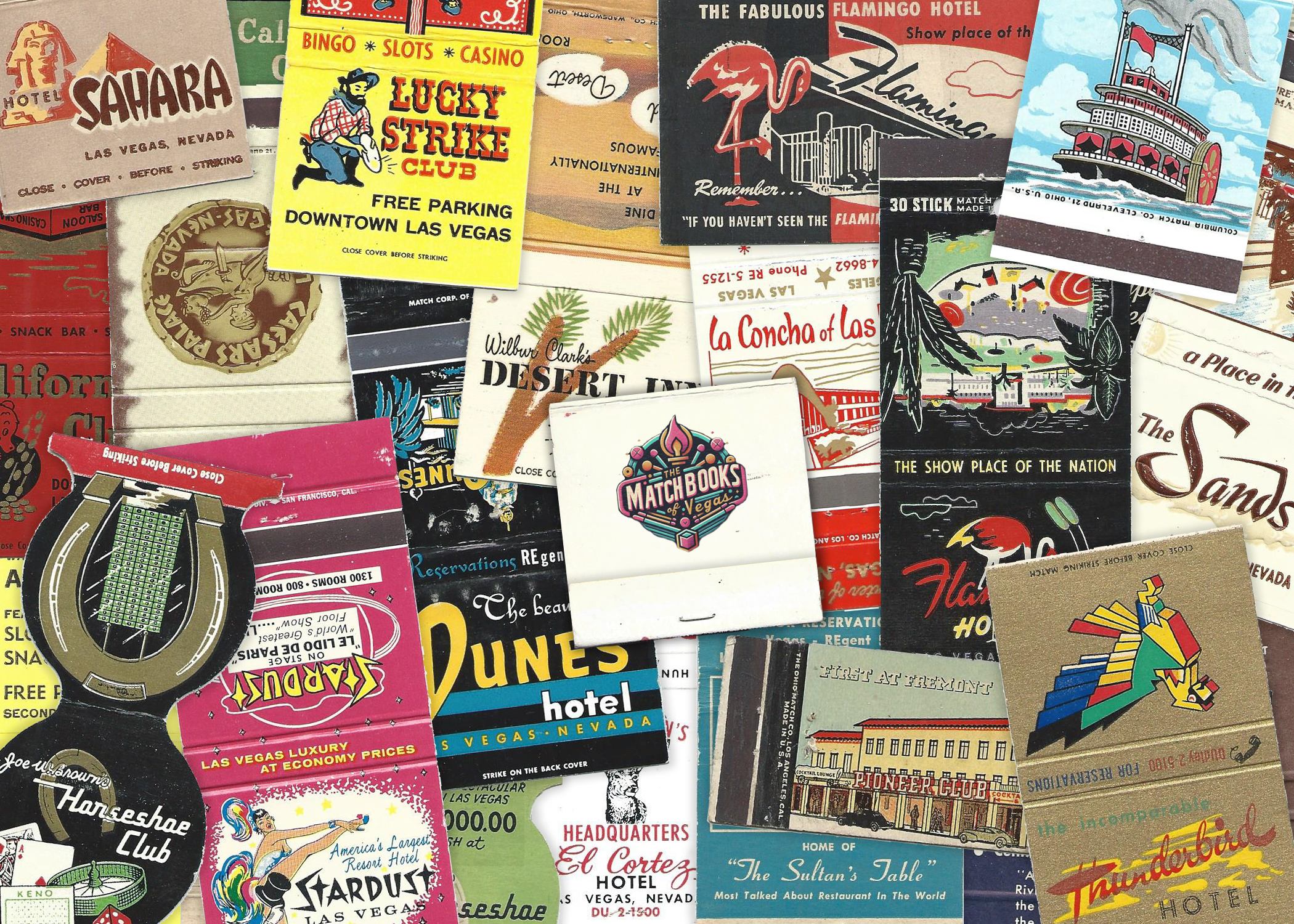
Each matchbook in this collection is a small artifact — a relic from an era when Las Vegas hotels handed you fire alongside a room key. These reports examine the physical details of each cover alongside the histories of the venues they represent: the mobsters and moguls, the showgirls and chefs, the buildings lost and the legends that endure.
Matchbook No. 0001 · Catalogued 2/4/24
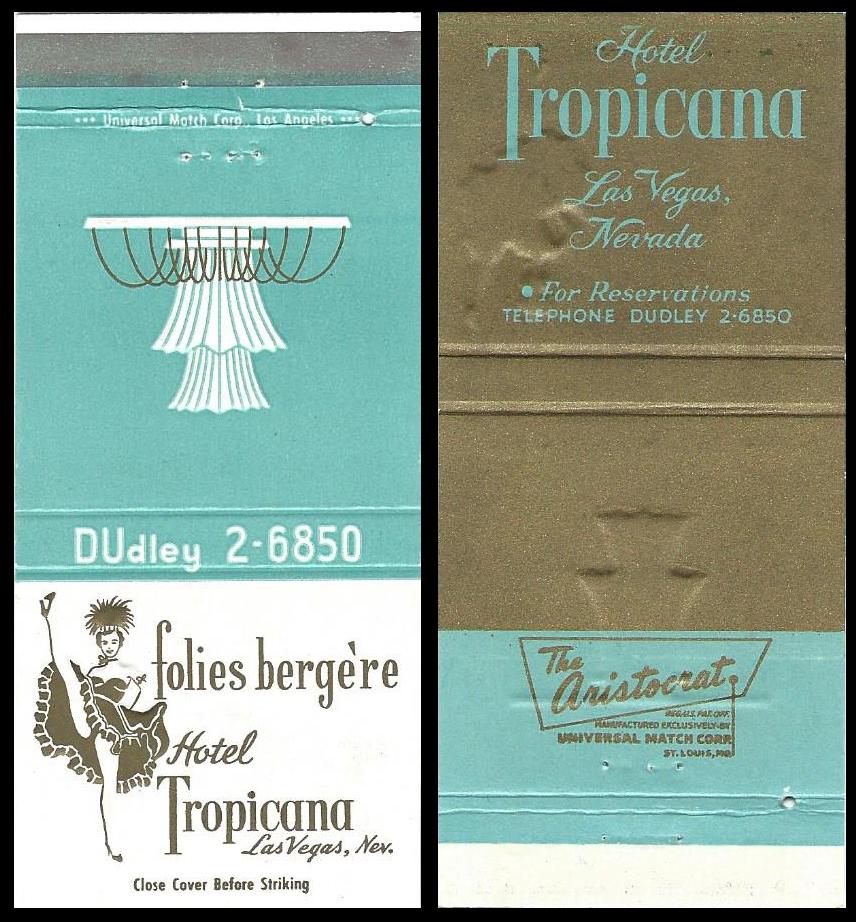
This Tropicana Matchbook cover showcases the "Folies Bergere", which ran for almost 50 years, making it the the longest running show in Las Vegas History. This cover is considered a "Flat", as its matches have been removed to allow for easier storage over the years.
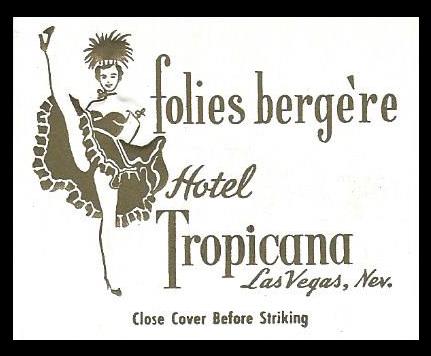
On the Front Cover, we watch one of the Folies dancers making a high kick (possibly from the famous "Kick Line") while fashioning an ornate dress and a large headpiece. The performer's outline is embossed, slightly raised, and depicted in a dark gold, almost metallic finish.
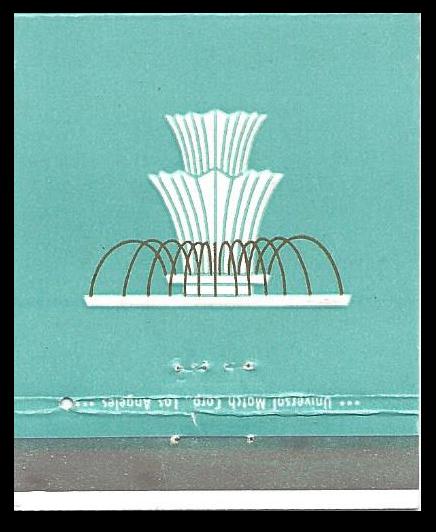
The back cover, colored in a Tiffany like aquamarine, displays a fountain logo trademarked by the Tropicana in 1958. The fountain depicted is a 60 foot tall, tulip-shaped structure that was located in the "Plaza" area, complete with tropical landscaping. This fountain concealed a water cooling tower. The Tropicana was the first Vegas destination which included air conditioning in every room. This logo was also employed to promote Tropicana's "Fountain Theater".
The Matchbook spine supplies Tropicana's phone number as "DUdley 2-6850". The Inside Cover also relays this information. While there are many examples of this popular Matchbook Cover, later versions convey the more familiar seven digit phone number format.
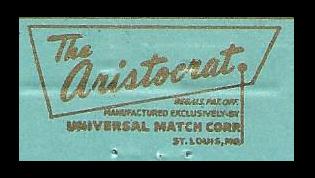

Inside we see the Matchbook's style, listed as "The Aristocrat", produced by the Universal Match Corporation. On the back cover, below the fountain logo, we can observe it was created at the Los Angeles factory.
The Folies Bergere was imported directly from Paris. The large production staff included the original French creative directors, leadership, and numerous cast members. The Folies successful formula included topless showgirls, line dancers, intricate sets, and ornate hand crafted costumes with large headpieces. This recipe would become a template for Vegas entertainment to come. The Folies opened at the Tropicana's Fountain Theater in 1959.
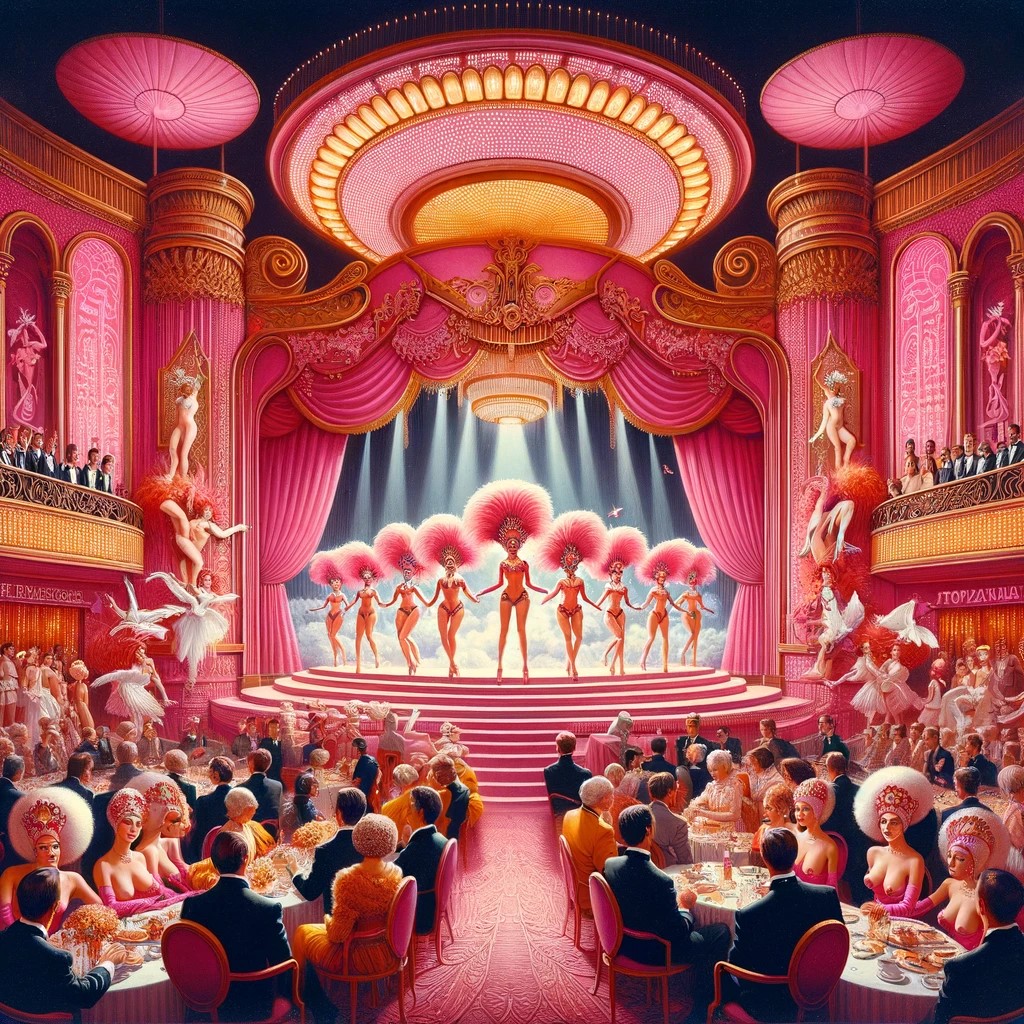
The Fountain Theater's interior featured a variety of pink architectural details, furniture, and stage curtains, giving it the nickname "The Pink Room''. The venue's stage contained raised platforms which provided the audience with an enhanced personal experience. The open Orchestra Pit was so treacherous that a safety net was installed - once saving a performer who accidentally stepped off the stage.
The "Pink Room" featured Maitre D's that escorted guests to their seats, offering the best views to the most generous patrons. Attendees dressed in formal attire, while hotel flower and cigarette girls circled the aisles searching for wealthy customers.
During the Early 70's the Tropicana began to lose pace and popularity with the newer strip properties. Many of the Folies show's elements started to lose their luster and novelty as similar productions popped up all over town. It was during this period that Organized Crime established their dominance at the Tropicana.
Tropicana Ownership shuffled hands a few times before 1975 when Mitzi Stauffer Briggs, heir to the Stauffer Chemical fortune, landed a majority stake. Her ownership was doomed from the start - she had very little understanding of casino and hotel operations cash flow.
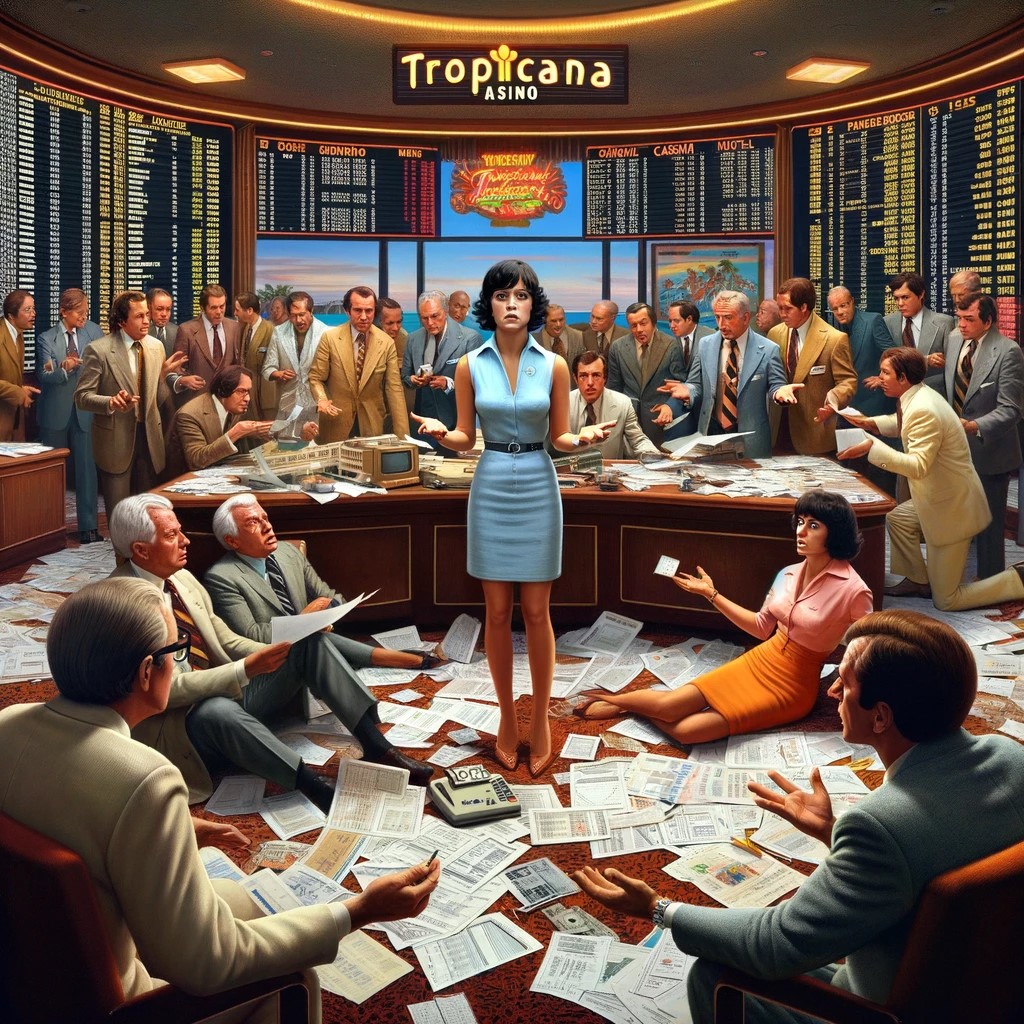
Joseph Agosto, a known Mob figure, previously purchased the rights to Folies and quickly took advantage of the inexperienced Briggs. Agosto secured loans from the Kansas City Mob for Briggs in exchange for an "unofficial" management role. Since Agosto had an extensive criminal history, this was the only way he could become a casino employee. Agosto quickly capitalized on his new role as the Executive Producer of the Folies, pilfering the profits for his own interests. As the Folies Bergere entertained thousands, 11 million dollars vanished from the Tropicana.
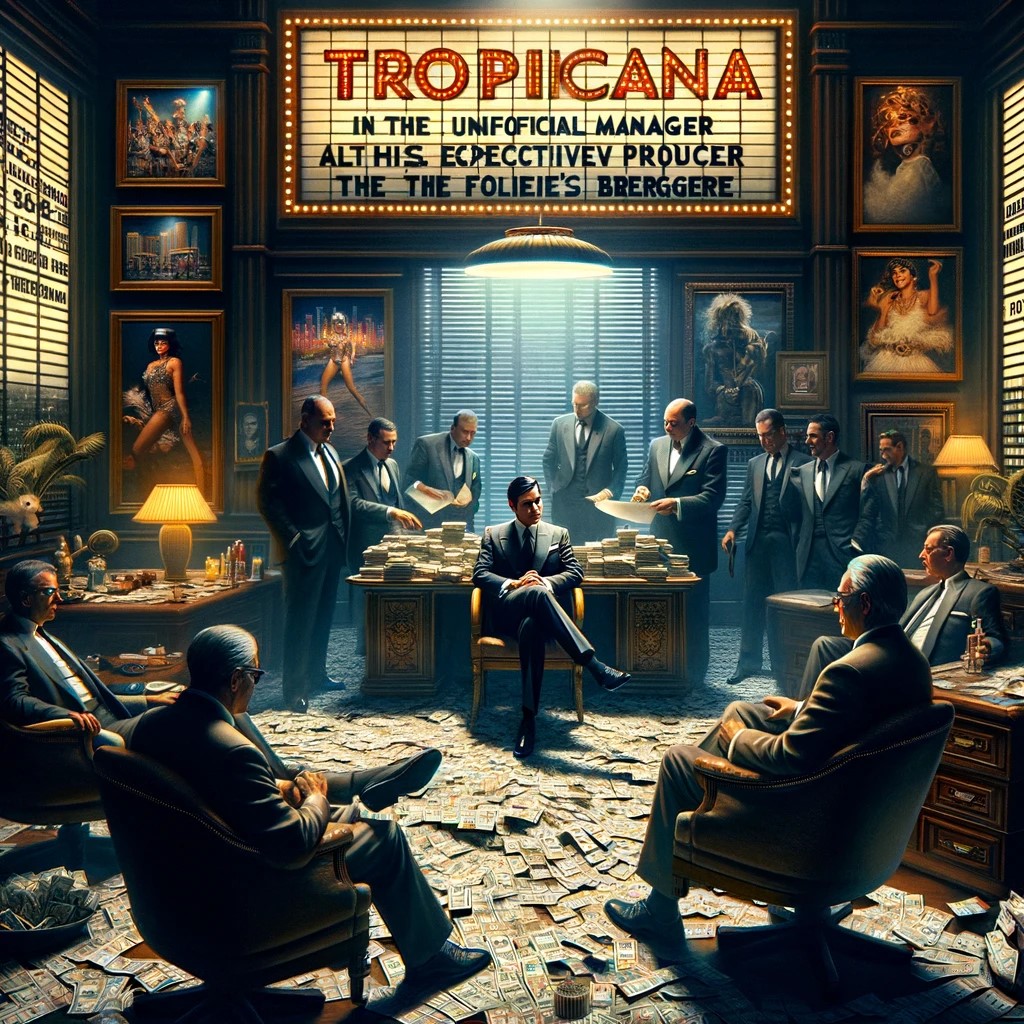
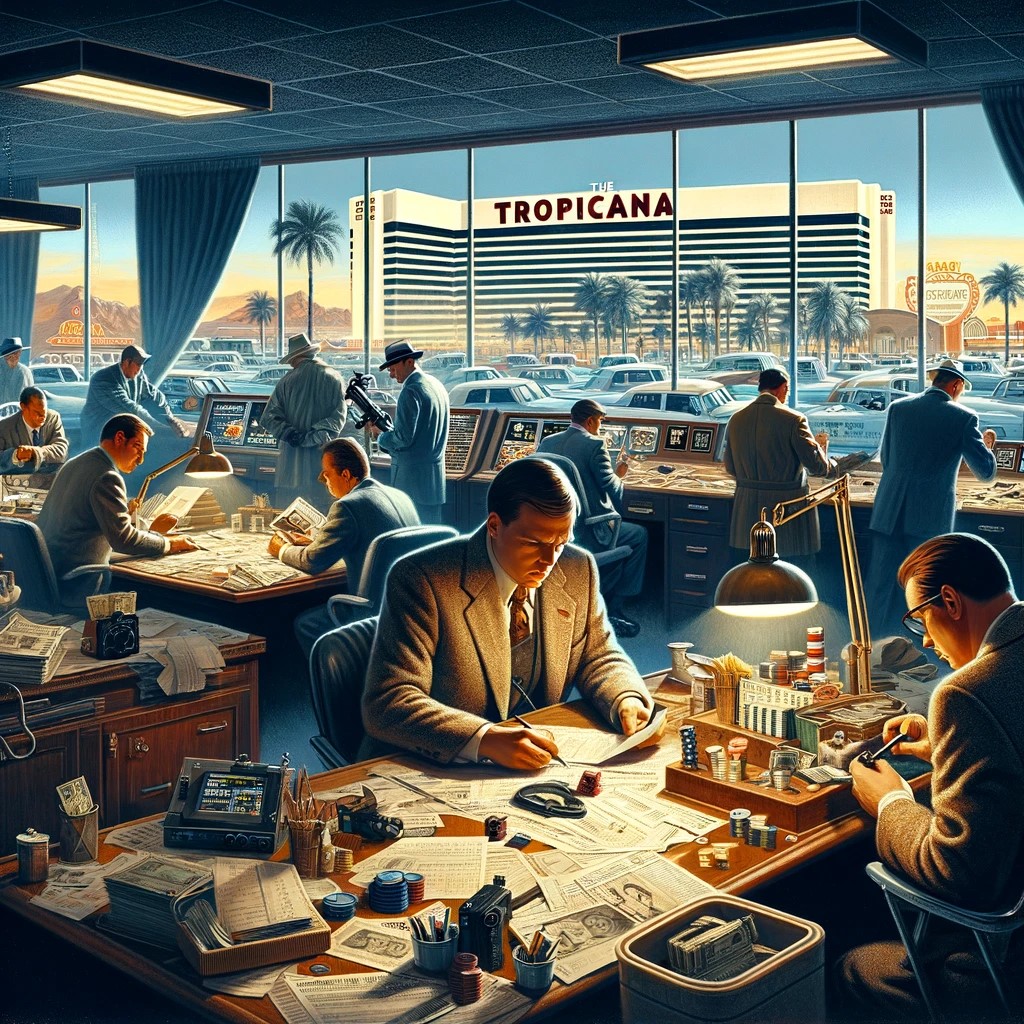
Law enforcement was keen to the foul play during Briggs' ownership and began monitoring the Tropicana meticulously. This ultimately led to Briggs' downfall. Agosto's rampant corruption and greed expanded well beyond the Tropicana. He was also connected to a scam at the Bank of Minnesota.
The Feds eventually busted Agosto, but rather than face the consequences he decided to testify on behalf of the prosecution. Briggs' association with Agosto forced her to sell the Tropicana to Ramada Inns in late 1979. Briggs received nothing in the deal, as all profits went to creditors.
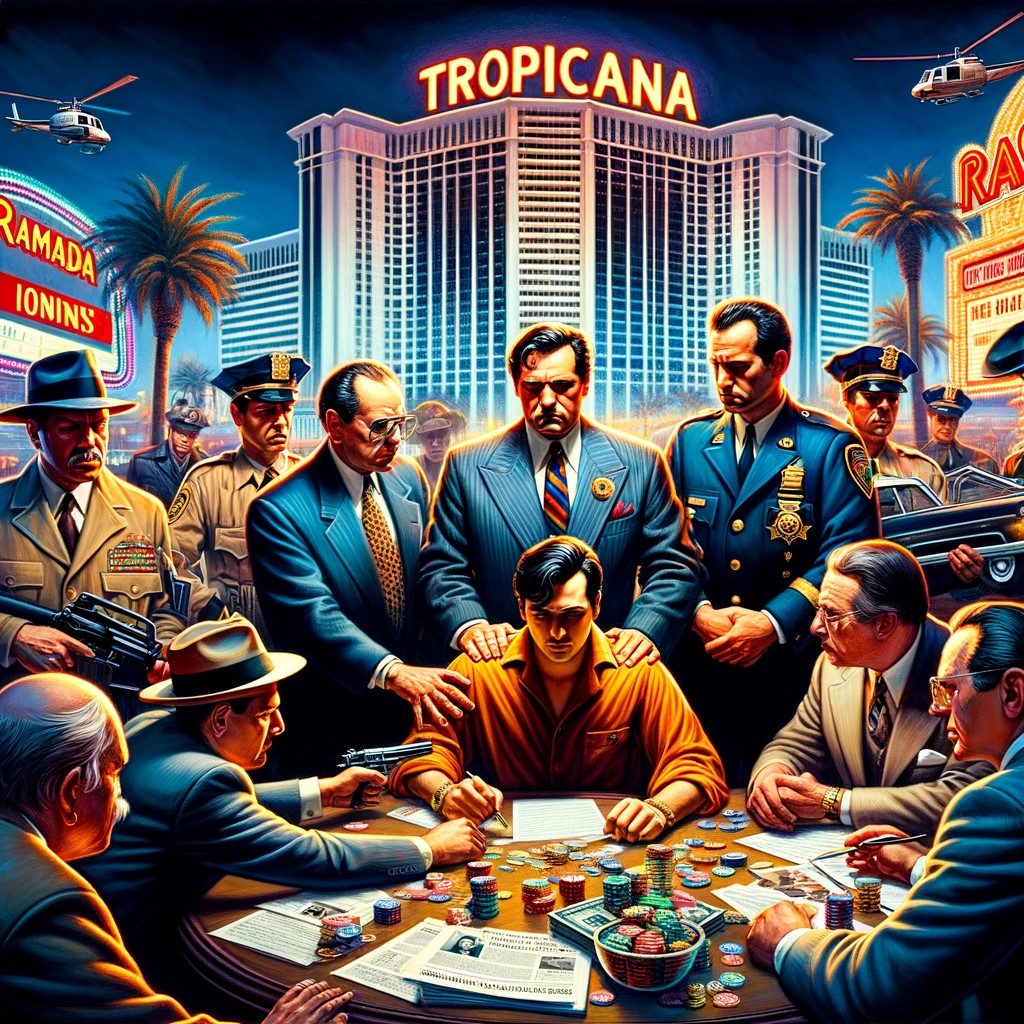
Just as the Feds case was materializing in 1983, Agosto had a fatal heart attack. After a delay the case moved forward in 1984, where it was revealed that Agosto had been a secret witness in the conviction of Kansas City Crime bosses Carl Civella, Carl Deluna and former Vegas Casino owner Carl Thomas.
After her brief ownership and loss of the Tropicana, Briggs went on to work several low-wage jobs and even volunteered at the Guardian Angel Cathedral on the strip. She remained in Vegas until she passed away in 2013.

The Folies Bergere was a symbol between Organized Crime and the Tropicana. While the show evolved, adapted, and remained popular over the years, the production concluded in 2009.
The Folies helped establish the prominence of "Showgirls" as one of the most recognizable icons of Las Vegas. Showgirls are now so popular that they're viewed as "Vegas Ambassadors". Nowadays, they regularly appear at celebrations and grand openings - often alongside beloved former Mayor Oscar Goodman.
Matchbook No. 0002 · Catalogued 2/18/24
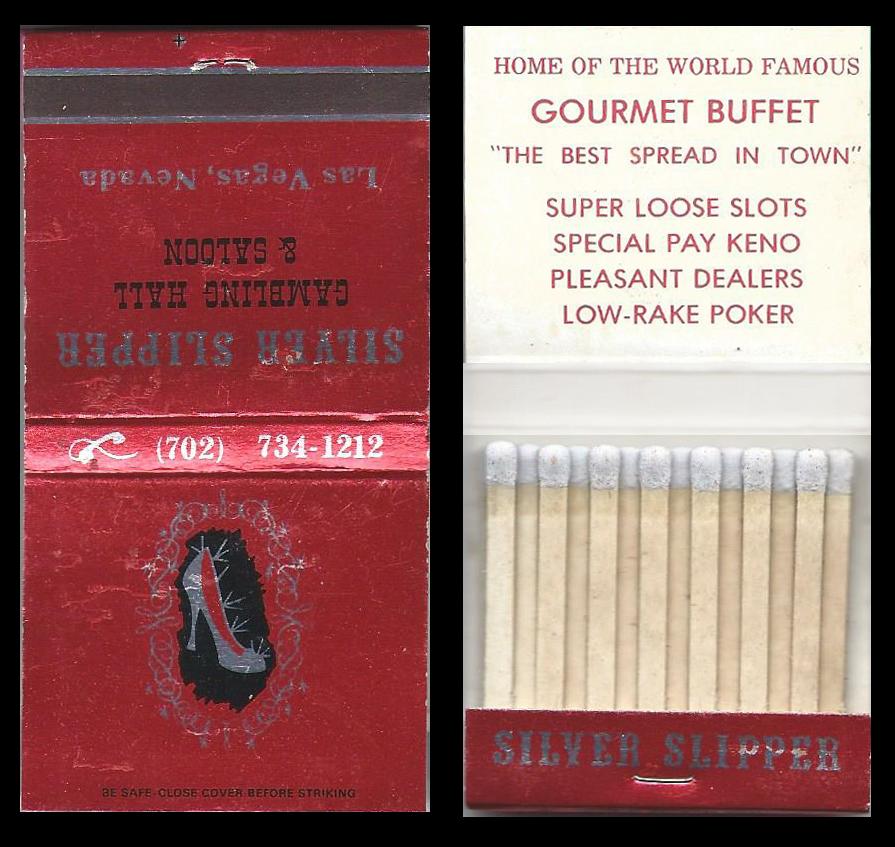
Open from 1950 until 1988, The Silver Slipper, featured a vibrant and controversial legacy. This example is a complete, unused matchbook with a metallic red finish.
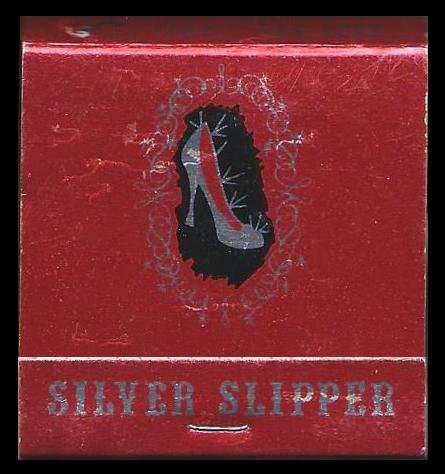
The front cover displays the iconic Silver Slipper replica, which sat above the casino entrance and rotated with brilliant shimmering lights. We can see twinkles depicted on the shoe conveying its brightness. A silver, almost barbed wire looking ring surrounds the twinkling Slipper.
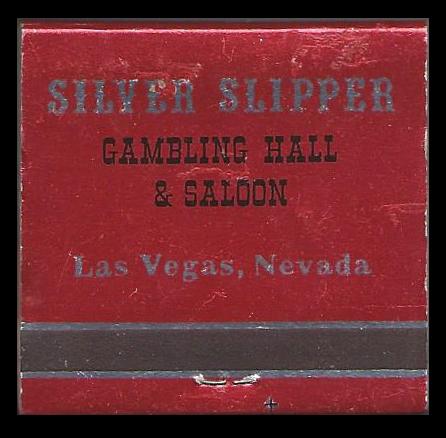
The metallic red back shows an unused striker. The "Silver Slipper" is represented by a slightly reflective silver colored western style font.
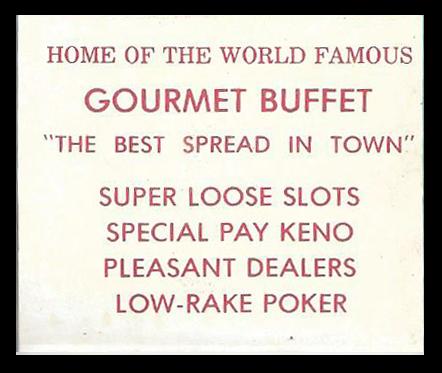
The Inside cover displays new promotions designed to regain the public's trust after their 1964 cheating scandal. The World Famous Buffet was introduced in the mid 1960s. Print is slightly off center - depicting limitations and inconsistencies of the time.


The end cover depicts the familiar seven digit phone number format and area code. The bottom crease supplies the manufacturer as Universal Match, produced at their Las Vegas factory.
The Silver Slipper, first known as the "Golden Slipper Saloon and Gambling Hall'', opened for business in 1950. Well known architect Martin Stern Jr. developed its design. The "Slipper" occupied grounds on the Last Frontier Village, a western styled theme park on the strip.
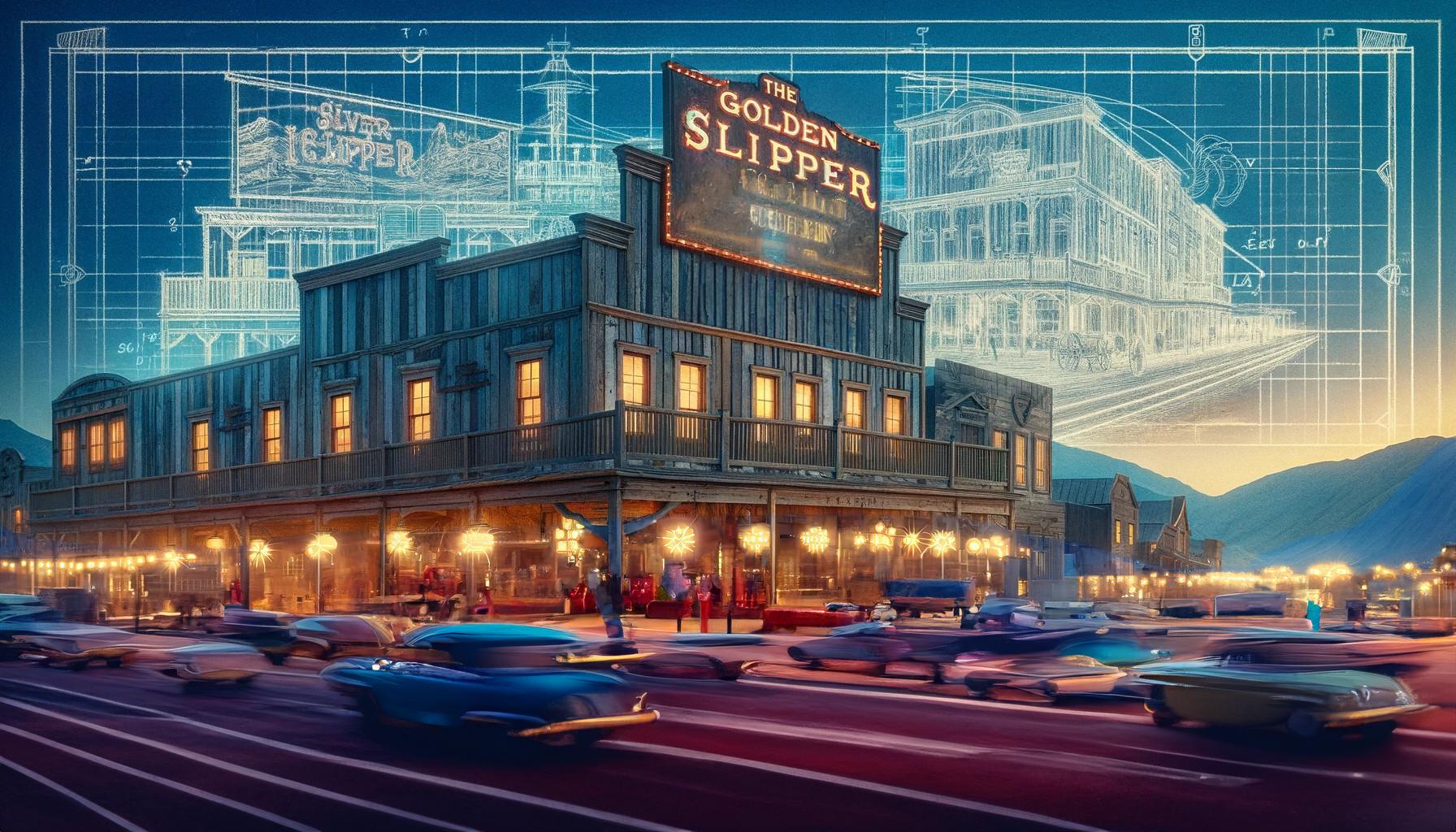
The owner fancied the name "Silver Slipper" from the start, but it was already utilized by a bar on Boulder Highway. The ''Golden Slipper '' title served until a partial owner of downtown's "Golden Nugget" felt the Slippers' "look" was too similar to their own. As litigation became a threat, Slipper owner William Moore decided to purchase the "Silver Slipper'' name from the Boulder Highway establishment. He immediately rebranded the "Golden Slipper", the "Silver Slipper".
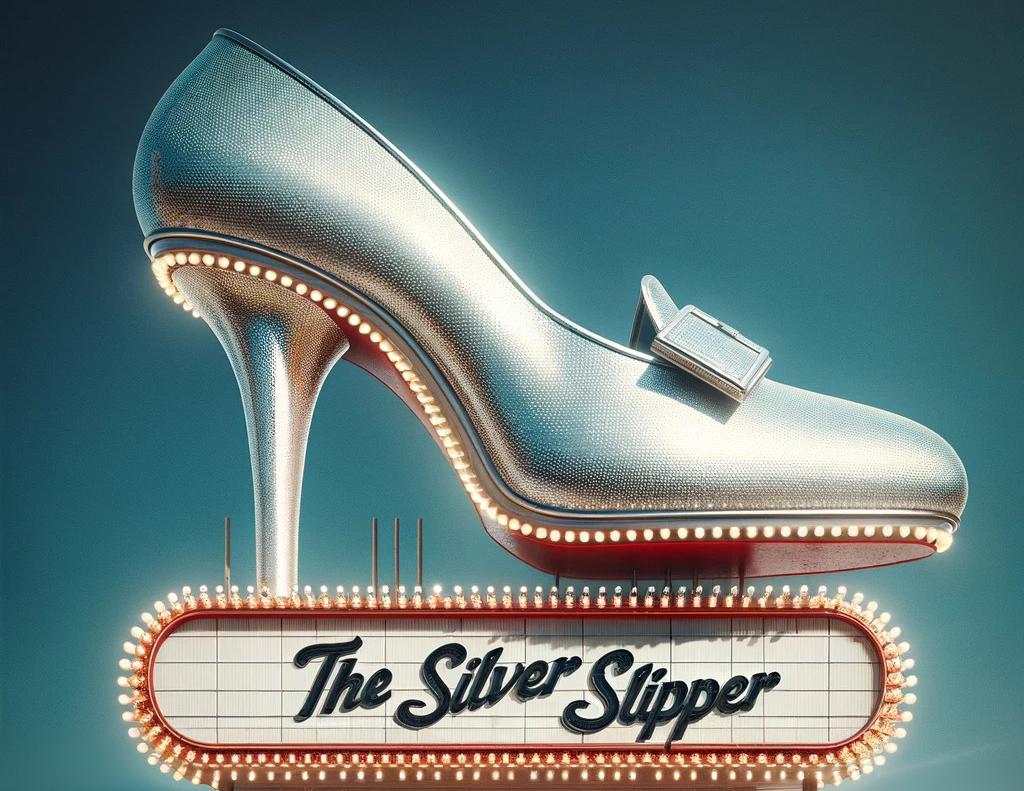
The Slipper's most iconic feature was its giant, rotating, light-covered Silver Slipper prominently positioned above the entrance. For its time, the Slipper hosted an enormous casino floor, bingo parlor, and convention space.
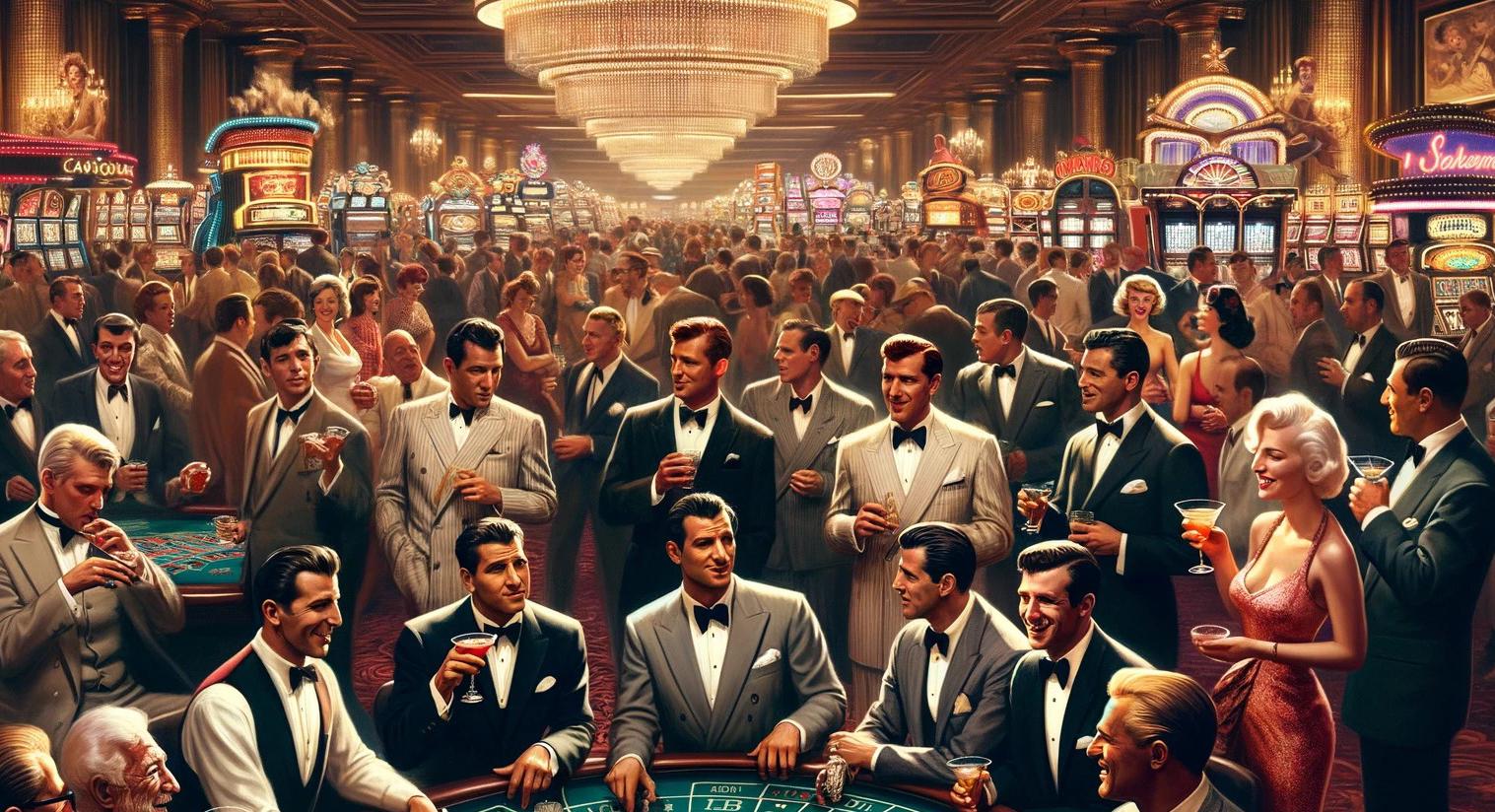
In 1952, Michael Wynn was hired as the new Bingo Operator. His 10 year old son, Steve, got his first taste of the gaming industry visiting his Dad at the Slipper. Wynn's involvement was brief, only lasting a few weeks before he returned east. His son Steve would later return.
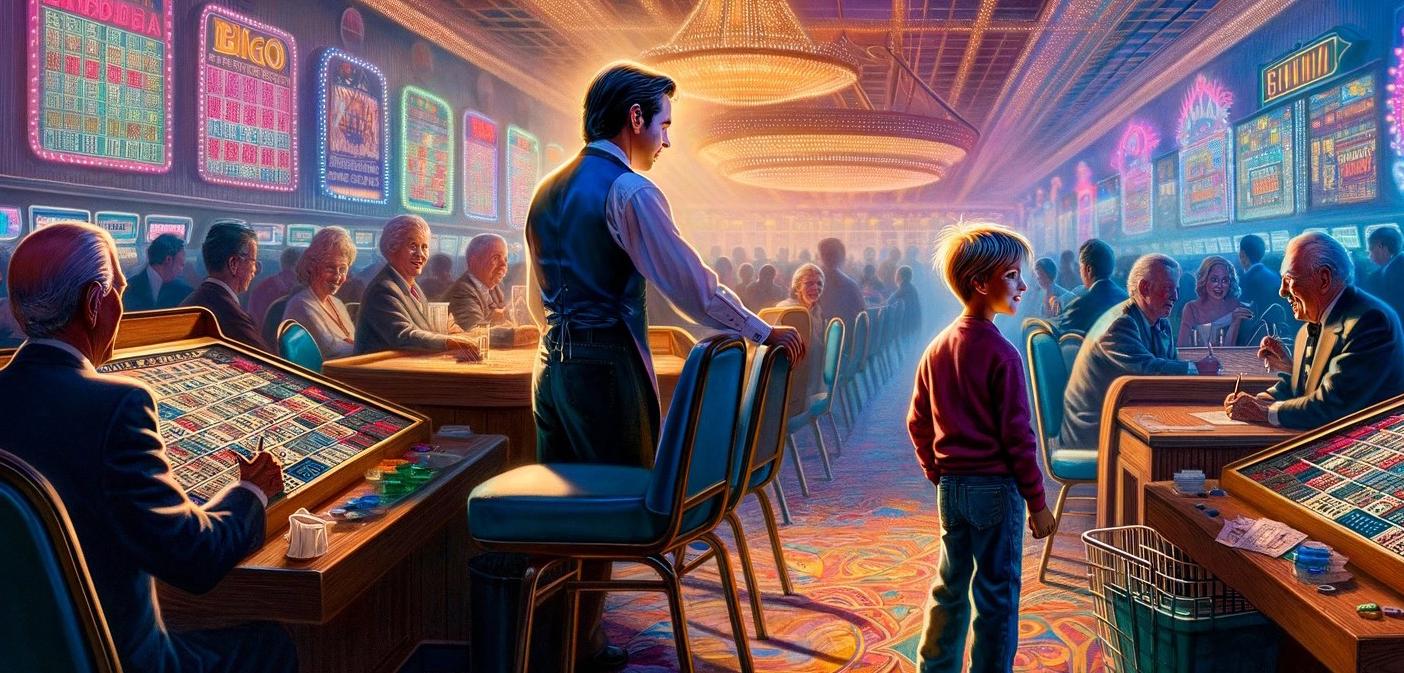
In the mid 50's, the Slipper separated from the Last Frontier and started to establish its own legacy. Multiple entertainment options were introduced, including a burlesque show headlined by Hank Henry.
Henry had roles in several movies and TV shows, often appearing with the Rat Pack. It wasn't unusual for Frank Sinatra and his crew to attend the Slipper's late night shows and join in the fun. Sally Rand and boxer-turned-entertainer Slapsie Maxie Rosenbloom also headlined various shows.
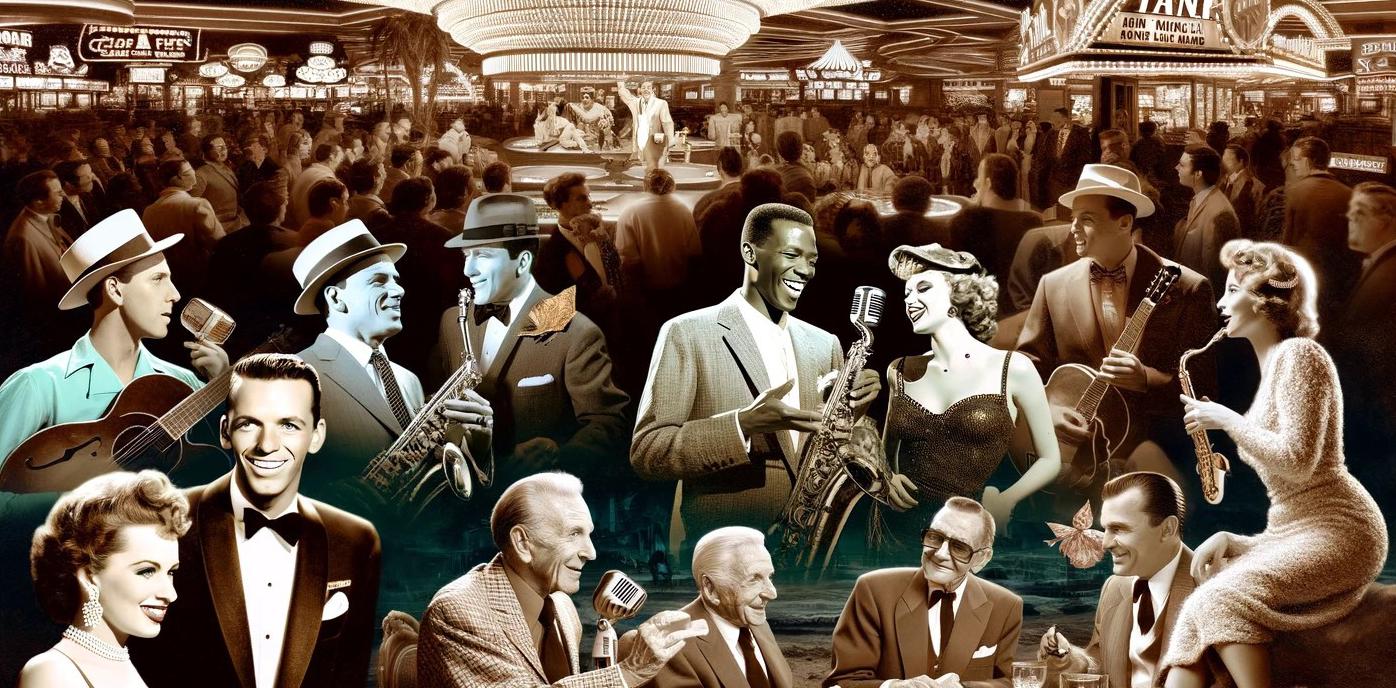
Eventually, the husband and wife duo Toni and Harry Wham joined the performing ranks. The Wham's previously operated a popular Sportsman's Lounge at Big Bear Lake. Years Later, Harry owned the Keyboard Lounge in Vegas with his fourth wife Peggy. After several failed attempts on Harry's life, Peggy contracted a hitman to terminate him in 1983. While she hoped to gain full control of the Keyboard Lounge in his absence, she instead received two life sentences for Murder and Conspiracy.
In 1964, the Slipper made history as the first Nevada casino to be raided and shut down by the gaming control board. Shaved dice had been utilized to minimize house losses. 102 Slot Machines, a roulette wheel, five blackjack games, and a wheel of fortune were shut down in connection. This halted operations at the Slipper for months.
Claudine and Shelby Williams purchased and reopened the Slipper after the brief closure. They maintained the burlesque shows and added boxing into the mix. A "World Famous All You Can Eat Buffet" was added. The Buffet once featured a price of $1.57. The Rotating Slipper was relocated to the top of a fresh new sign alongside the Strip. This change would soon draw the ire of a neighbor, Mr. Howard Hughes.
Hughes lived across the street in a penthouse at the Desert Inn. The eccentric and paranoid Hughes detested the Iconic rotating Slipper across the street. While its bright neon lights flooded his penthouse windows, Hughes began to grow suspicious of the Slipper's inconsistent rotation. Hughes was convinced the Slipper's toe would often stop pointing directly at this penthouse. He imagined spies and enemies surveilling him from the Slipper's toe. Hughes contacted Slipper management several times demanding the rotating slipper be switched off. He was constantly ignored. In 1968, Hughes purchased the Silver Slipper for more than five million dollars and promptly disabled the bright, rotating Slipper.
After Hughes' purchase, the Slipper consistently under performed. When he passed in 1976, his Summa Corporation installed new general manager Bill Friedman. Drawing on his own gambling experiences and tastes, Friedman adapted casino operations so customers were more attracted to table games and machines. Boxing was out, and a new showroom for the burlesque show "Boy-lesque" was introduced. The changes made the Slipper profitable again. Friedman eventually authored a book on casino design and taught "Casino Management" classes at UNLV.
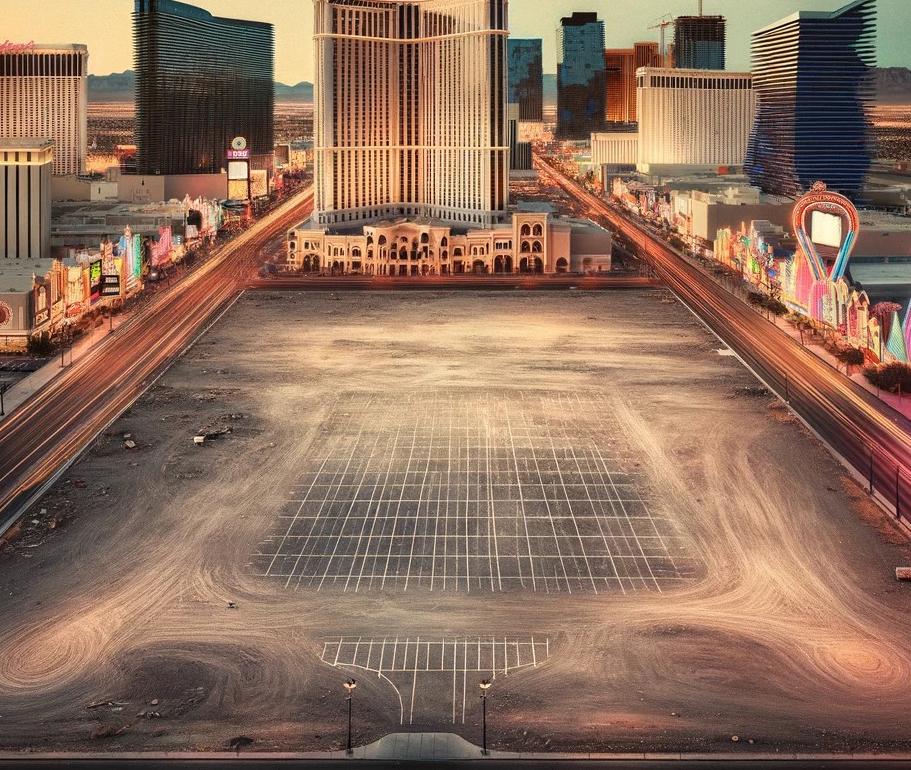
In 1988, the Hughes heirs sold the Slipper for seventy million dollars to Margaret Elardi. Elardi had ties to downtown's Pioneer Club, and a gambling hall in Laughlin. The Slipper was quickly demolished in preparation for a new project. That project never happened, and the Slipper was reduced to a parking lot for the Frontier Hotel, also owned by Elardi.

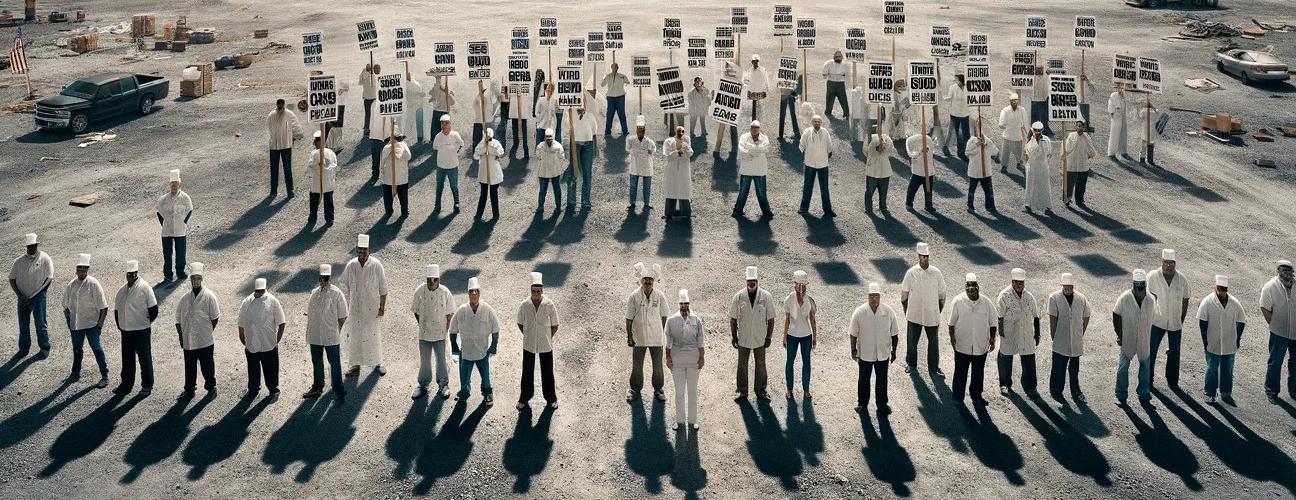
Still, the Silver Slipper was not finished with its fingerprint on history. In it's deathrows, the vacant lot became the scene of the famous seven year long Culinary Union strike. The strike only ended when Phil Ruffin purchased the Frontier and brokered a deal with the union.
To this day, the Slipper's footprint remains empty with no development. It sits just south of Resorts World on the west side of the strip. However, Its spirit lives on as a part of Las Vegas - there's a neon slipper displayed downtown that pays tribute to the Slipper's rich past.
Matchbook No. 0003 · Catalogued 2/19/24
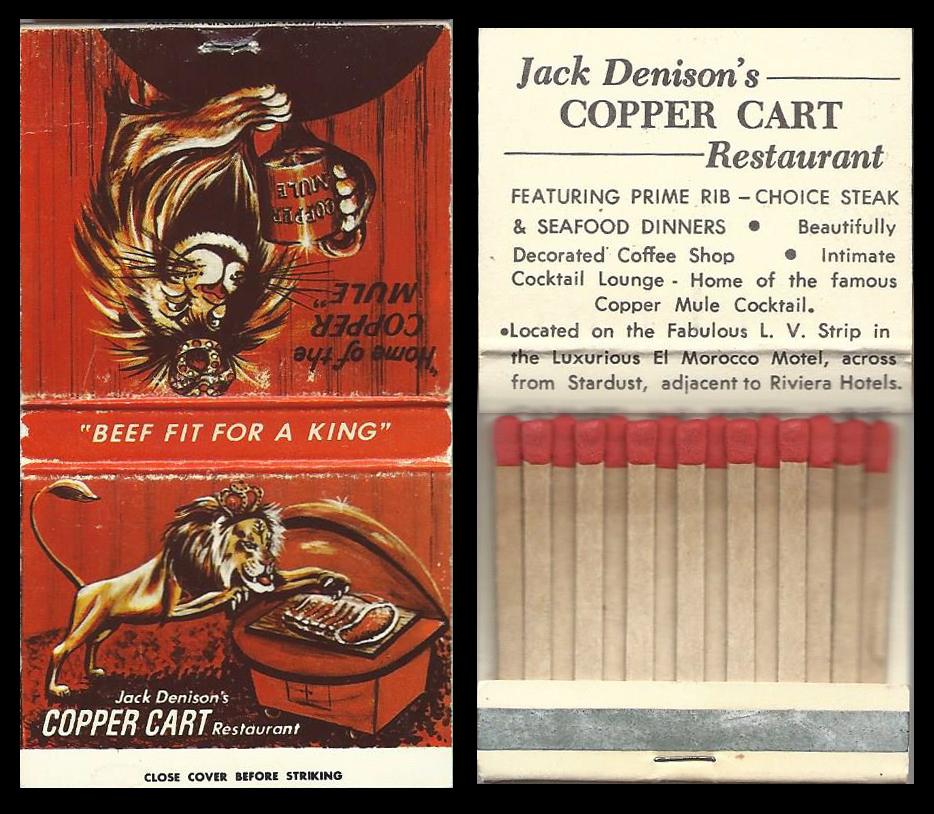
In mid 1965, Jack Denison's Copper Cart Restaurant opened for business. This almost complete matchbook showcases the Cooper Cart's Jolly Lion on its front and back cover. It appears to be an earlier example, possibly from just after the opening. This sample displays some reasonable wear and tear for its age, but still maintains its vibrant reddish-orange hues. Two matches are missing, and the striker has been used.
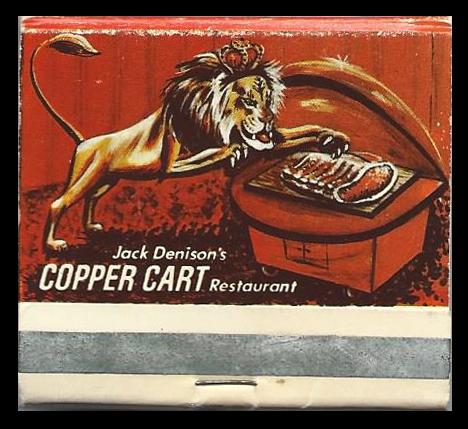
The front cover pictures the Jolly Lion reaching for a slab of prime rib on a serving cart. The lion is a deep bronze and yellow mix, which contrasts nicely with the reddish-orange background. The lions' claws are extended and his tongue is starting to hang out in anticipation. His tail waves overhead to maintain his balance - the serving cart is on wheels.
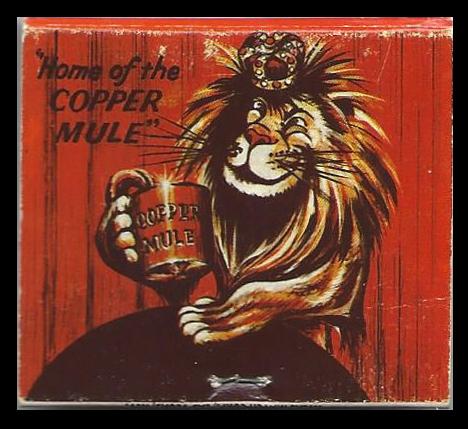
The back cover is adorned with the Jolly Lion apprciating a Copper Mule, the Copper Carts' signature drink. The lion looks like he may have enjoyed several - his eyes are quite dizzy. A jeweled crown balances just on the edge of this brow.
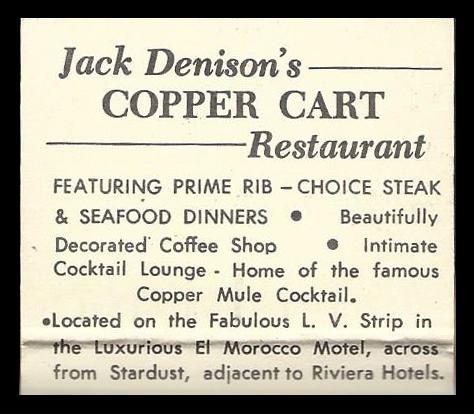
The inside cover provides most of the details we know about the Copper Cart. Prime Rib, Choice Steak, and Seafood Dinners were the top attractions. Its location was optimal for the time - just across from the Stardust. The saying "Come As You Are" is hidden behind the matches (not pictured). Their phone numbers, and the street address of 2975 Las Vegas Blvd. are also concealed.
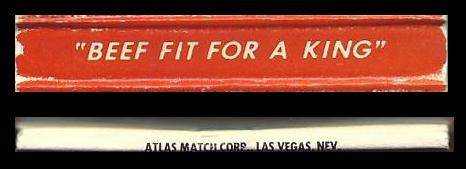
The Spine bestows the famous slogan "BEEF FIT FOR A KING". Slight wearing has developed along its edges. The saddle identifies Atlas Match Corp, Las Vegas Nevada as the manufacturer. The print is slightly off center and extends into the bottom crease.
Jack Denison's Copper Cart Restaurant was a popular western style eatery located at the El Morocco Club in west Las Vegas. It opened sometime in 1965 and quickly became known for prime rib and steak. "Beef Fit for a King" was one of the better known slogans. The Cart featured the legendary "Copper Mule", a Moscow Mule style drink, served in a copper mug. Customers were allowed to keep the copper mugs, which may have been a poor business decision.
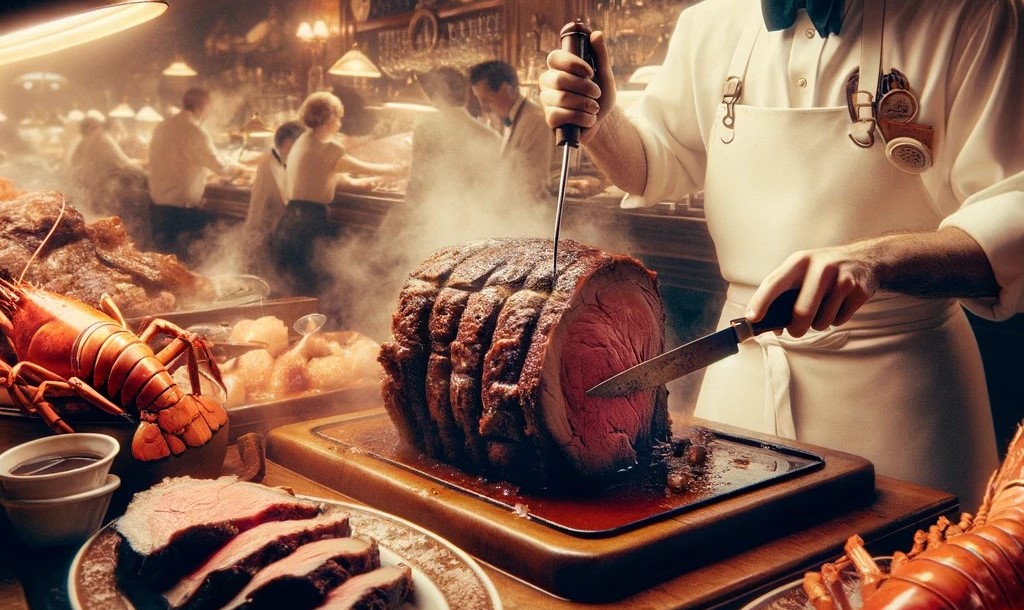
The eatery provided a variety of meat and fresh seafood. It also hosted a dedicated coffee shop, and a private cocktail lounge. The phrase "Come As You Are" was utilized to attract the common, money conscious patron. A jolly lion was always used in marketing, often depicted enjoying drinks or devouring their famous beef.
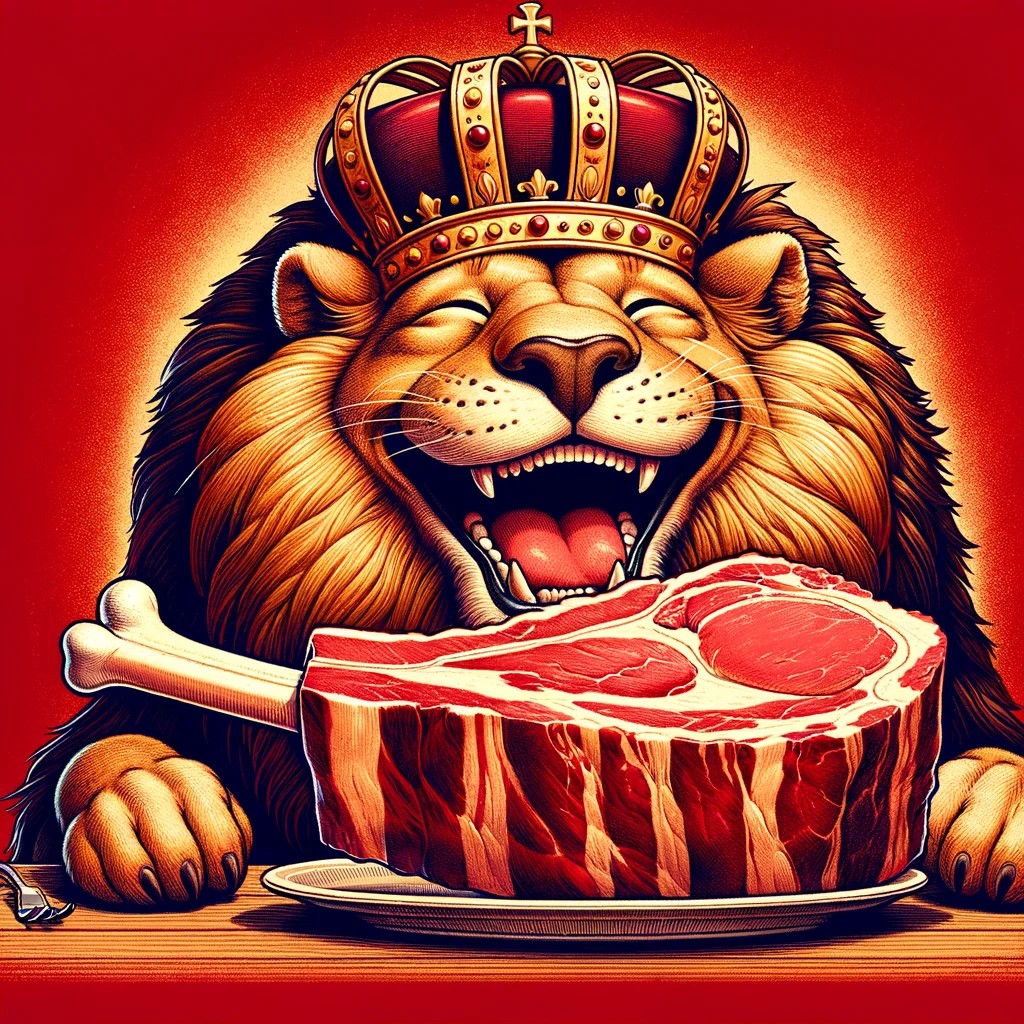
Denison got his start working with restaurants in New York City. The service industry came naturally to Danison, his good looks, and smooth talking quickly accelerated his career. He finally found his calling as a Maitre' D in the Las Vegas restaurant community. As his reputation began to rise in the city, he started to mingle with popular entertainers and celebrities. Denison instantly grew jealous of his new peers' financial success, and aspired for more.
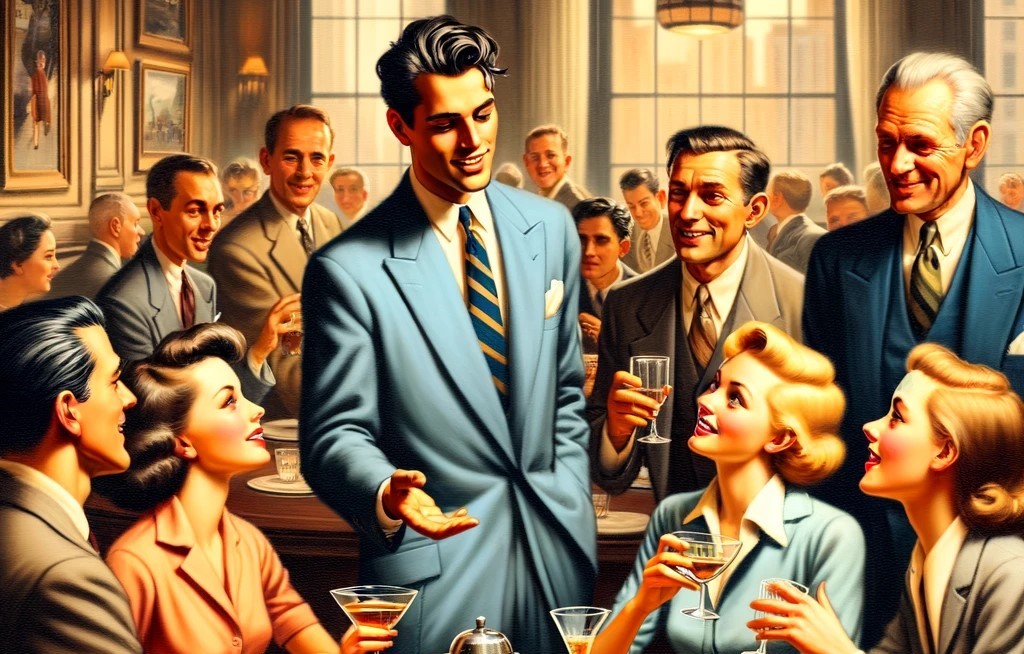
In the late 1950s, Denison opened a restaurant in California. He immediately realized more capital was required to continue operating. His excellent Maitre' D skills didn't translate to effective business management. Good looks and slick talk can only get you so far, and his professional integrity briskly diminished.
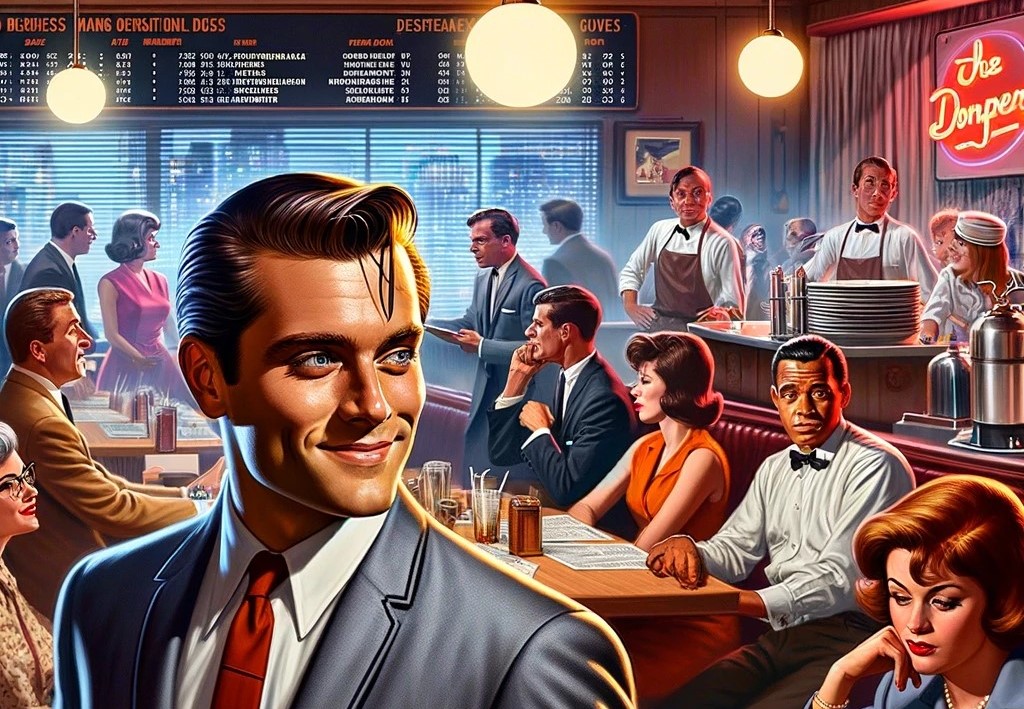
Denison was desperate to remain popular in his wealthy social circles. Relying on old habits, his "charm" captured the attention of famous actress and entertainer, Dorothy Drandridge. The emotionally weak Drandridge was quickly infatuated with Denison and they swiftly married. At the time of the marriage, Drandridge was making around $250,000 a year.
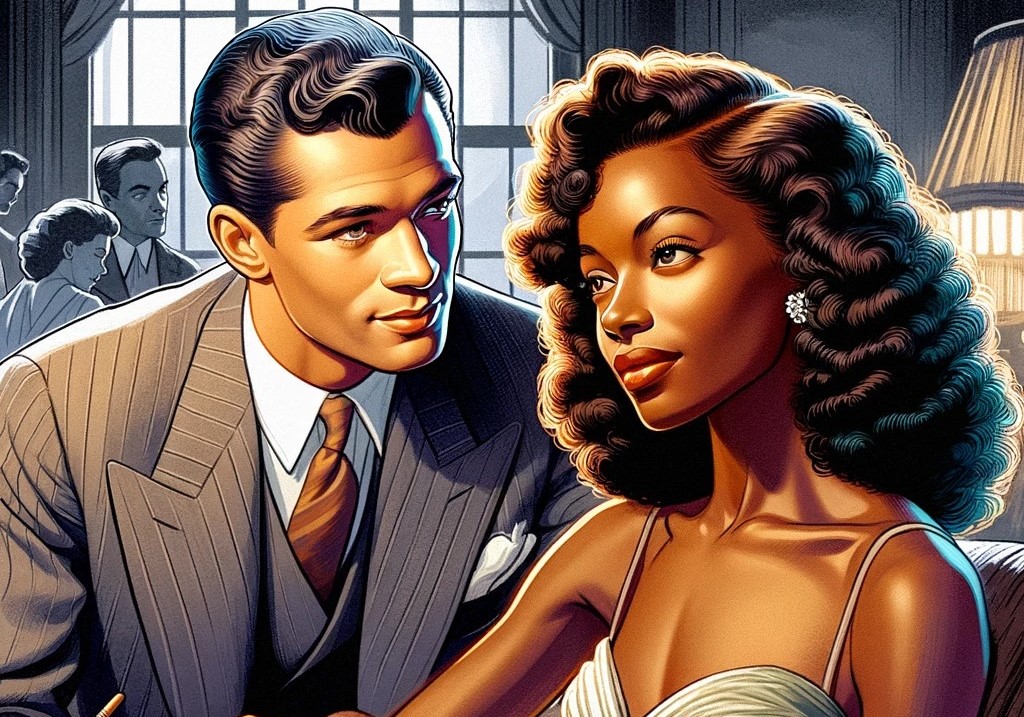
Drandridge had a special needs daughter, Lynn, from her first marriage who required constant care. She tendered Lynn as long as possible before placing her in the best private program available. It was terribly expensive, but Dandridge's past success, and ongoing Vegas performances made it affordable. Lynn was Drandridge's only child.
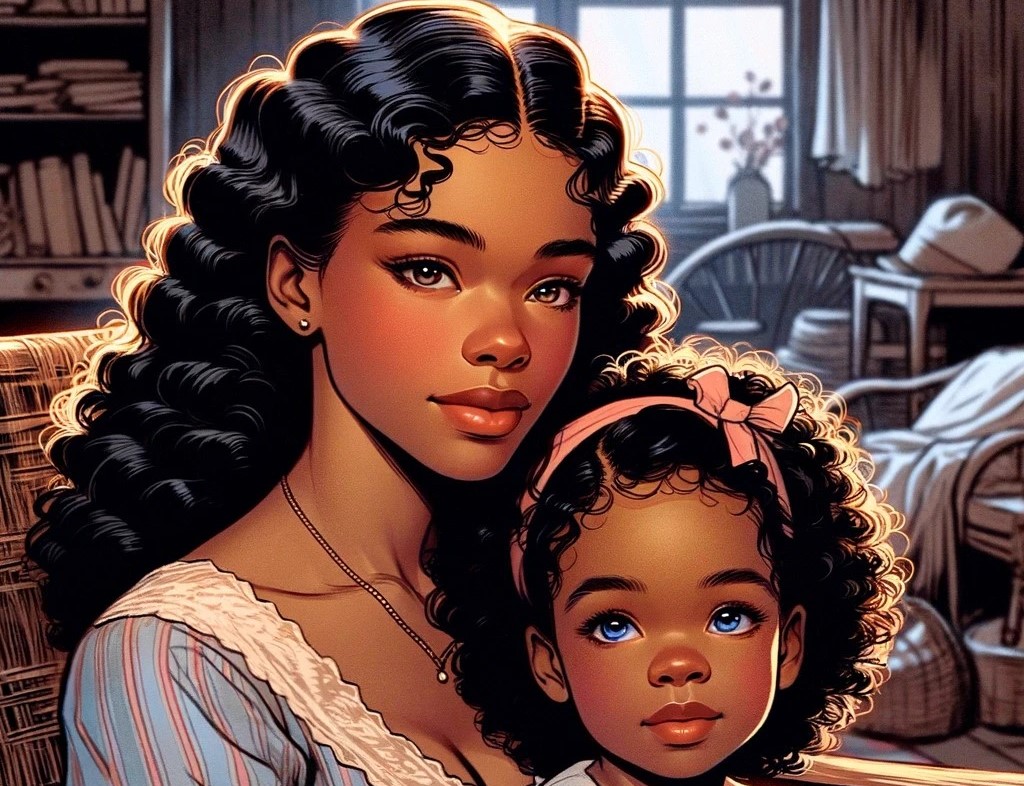
Drandridge was a tragic product of the entertainment industry. Her previous accolades portraying a sultry, seductive dancer ultimately financed her own demise. During her affair with director Otto Preminger, she starred in his blockbuster "Carmen Jones". This role earned her great fame and success. Regrettably, she was often the victim of physical and emotional abuse by her love interests.
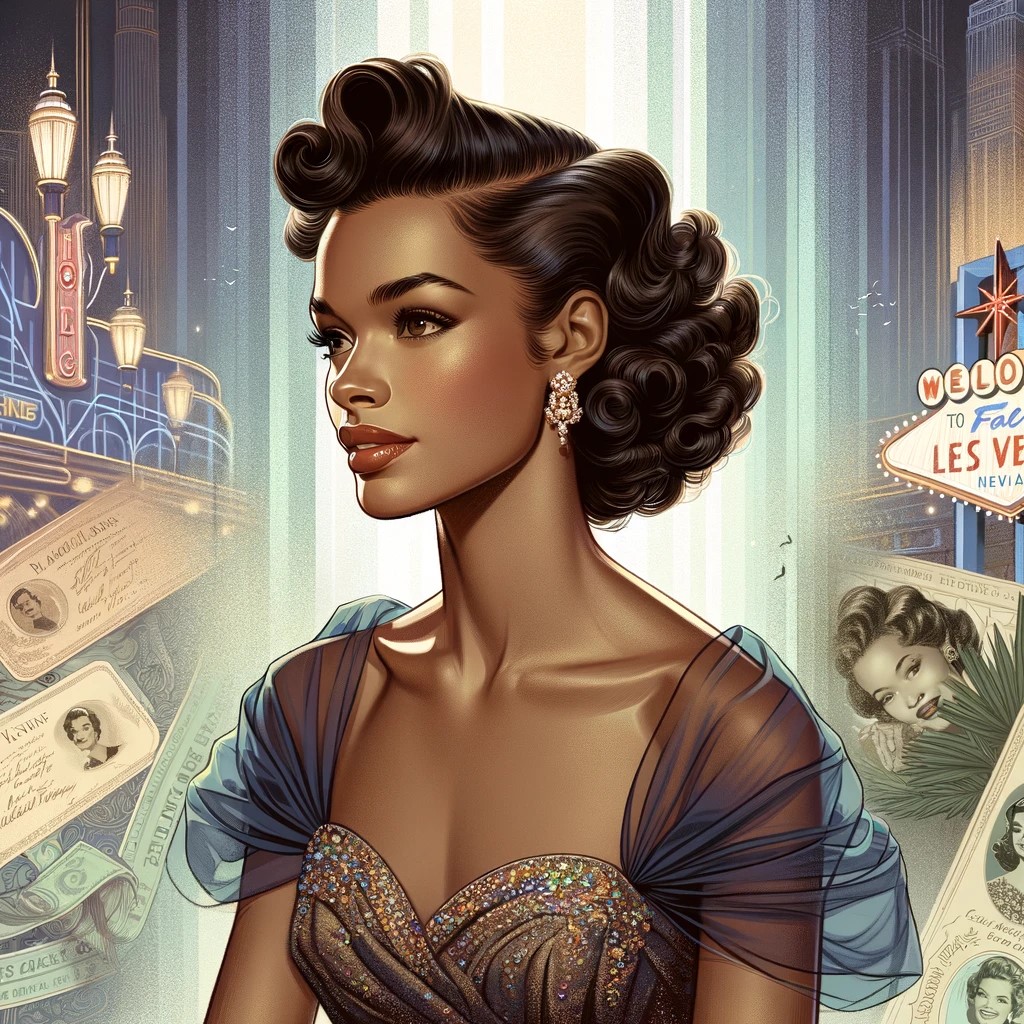
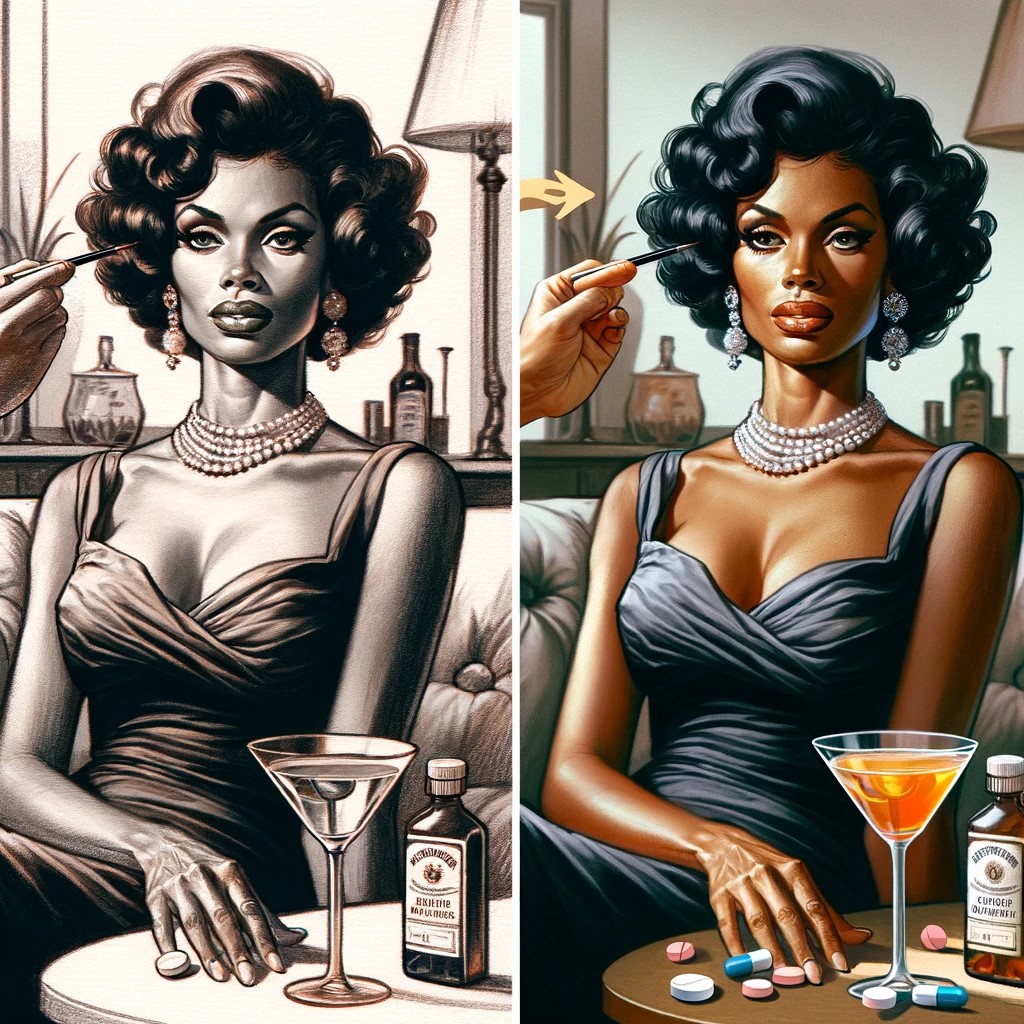
Denison's failing restaurant was in dire need of a cash injection. He used his conniving ways to charm money from Drandridge, taking advantage of her damaged emotions. The relationship devolved rapidly, becoming toxic and abusive. Drandridge relied on pills and alcohol to deal with her reality.
Before long, Denison practically controlled Drandridge's finances. He made risky investments with the oil industry which didn't workout. Not long after, he was forced to close his California establishment to settle losses.
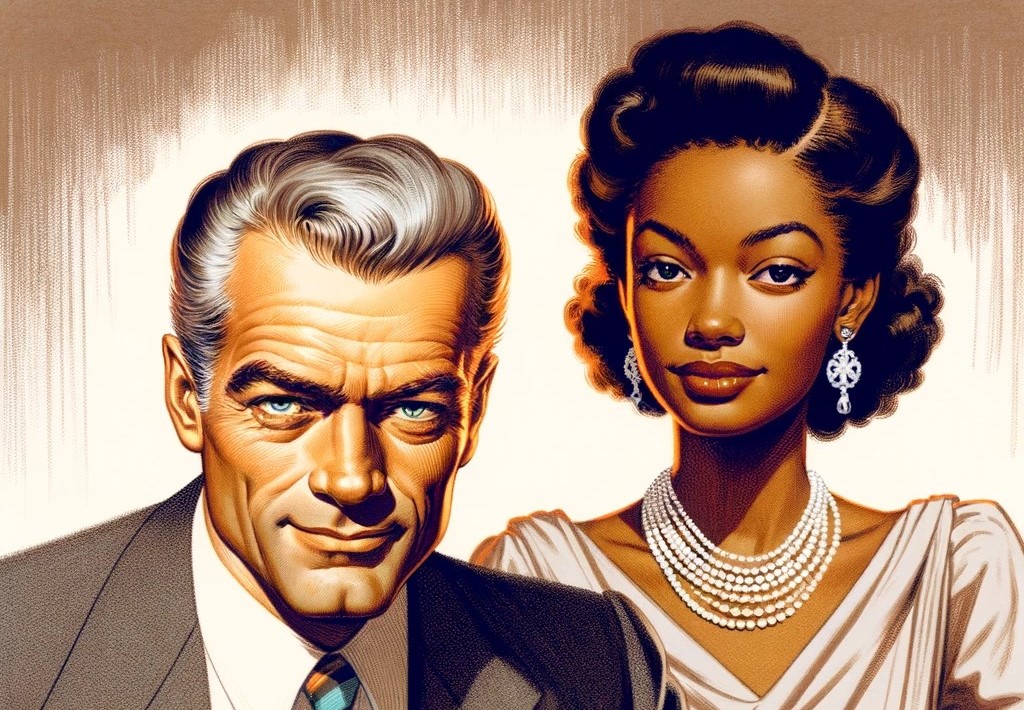
Before the horrific three year marriage dissolved, Denison had pilfered more than $150,000 from Drandridge. She was also deemed liable for another $140,000 in taxes. The unrelenting and conceited Denison demanded "half of everything" during the divorce proceedings. Losses were devastating for Drandridge. She was ultimately forced to send her daughter to a state institution. Drandridge would never forgive herself, and died by accidental overdose in 1965.
It was around this time that a remarried Denison decided to bring his failed restaurant concept from California to Las Vegas. It's theorized he funded the launch of the Copper Cart at El Morocco with money he had pilfered from Drandridge.
The Copper Cart became a hit in Las Vegas. It remained at the El Morocco location until 1979, when Denison moved on and it was renamed "Carving Cart". After leaving, Denison finally exhausted his allure, striking looks, and stolen money. His hustles and scams were no longer productive. It's speculated that Denison was finally poisoned by his new wife, who was engaged in an affair. At last, Jack Denison's foul deeds led to his justified demise - his luck expired.
Matchbook No. 0004 · Catalogued 3/15/24
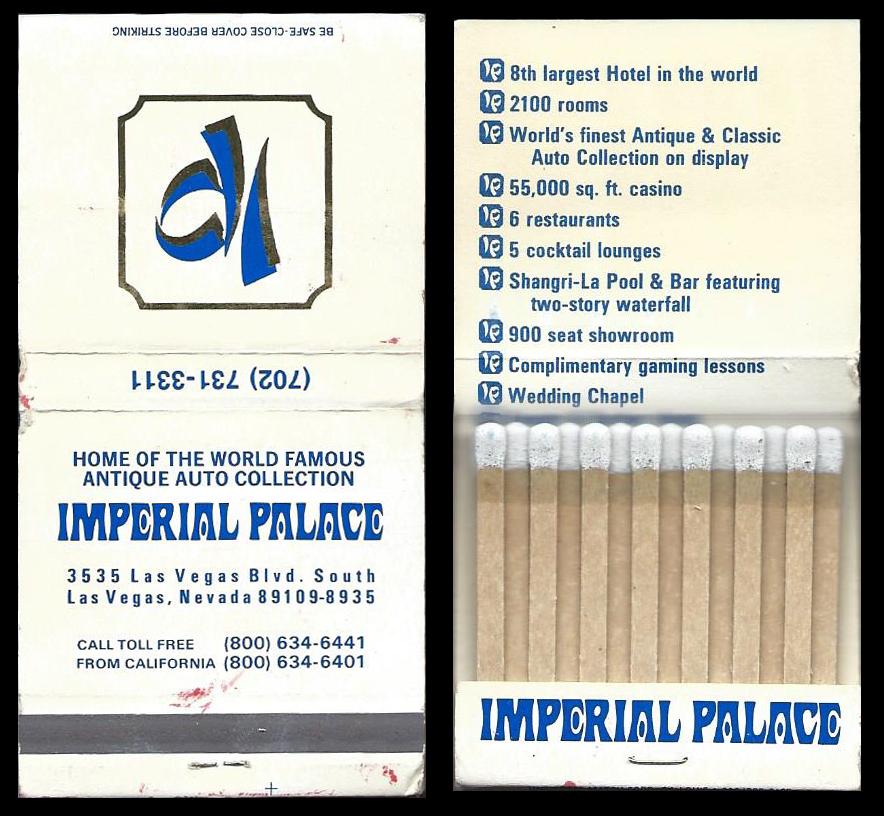
This complete matchbook from the Imperial Palace dates back to 1986. The outside shows almost 40 years of slight wear, giving it a "handled" look. Red blemishes are present on some edges and corners. The inside remains in better condition, listing several of the Imperial Palaces's attractions.
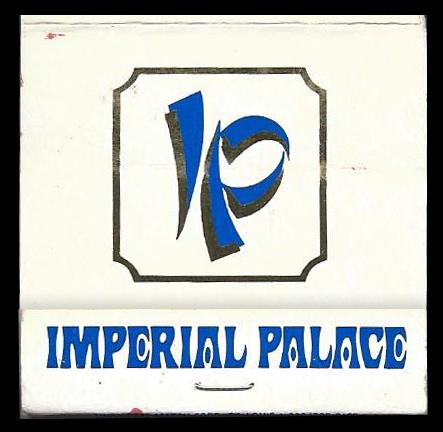
The front cover displays the iconic "IP" logo in a blue asian styled font. A drop shadow in metallic gold finish brings depth to the simple logo. A gold foil outline surrounds Icon. An off white background further enhances the streamlined design. The Imperial Palace name is printed along the bottom in the 70's fashion, psychedelic and funk inspired "Johnny" font.
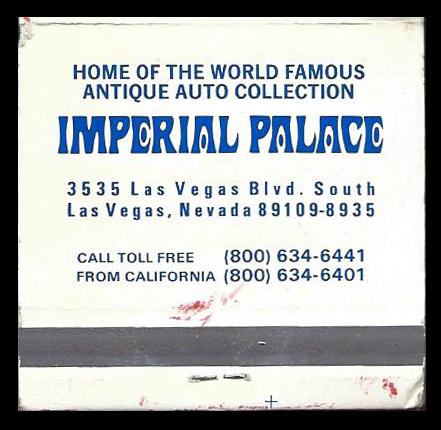
The rear cover depicts The Imperial Palace title with its contact information. The "World Famous Auto Collection" is prominently displayed at the top. Red marks are present near the bottom right corner and lower center. Even in this worn state, the striker remains unused.
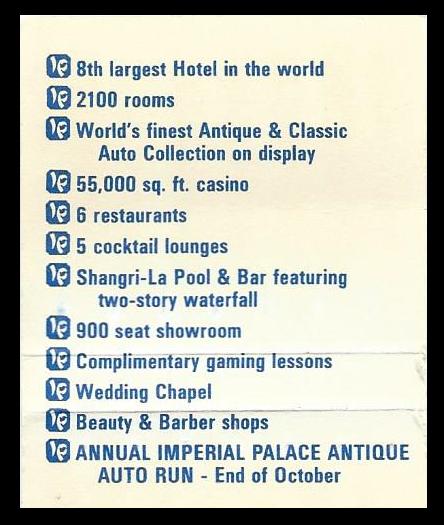
The inside cover highlights the venue's substantial size and unique attractions. A light blue font contrasts nicely with the ivory background. The "Annual Imperial Palace Antique Auto Run" is spotlighted at the bottom with bold, capitalized letters.
Behind the matches, we observe the "Foilite" designation. Universal Match Corporation introduced the "Foilite" finish in 1964. The trademarked name was utilized to describe foil printed covers that were offered in a variety of dazzling metallic colors.
The Spine provides the Imperial Palaces' seven digit phone number, while the saddle is labeled with "Universal Match Corp. St. Louis" and phone number. Red marks are visible on the right side of the spine, as well as across the bottom of the saddle area.
Originally a 180 room motel called the Flamingo Capri, the story of the Imperial Palace started in 1959. Located north of the Flamingo, the Capri was owned by George E. Goldberg and Bill Capri, an employee at the Flamingo.
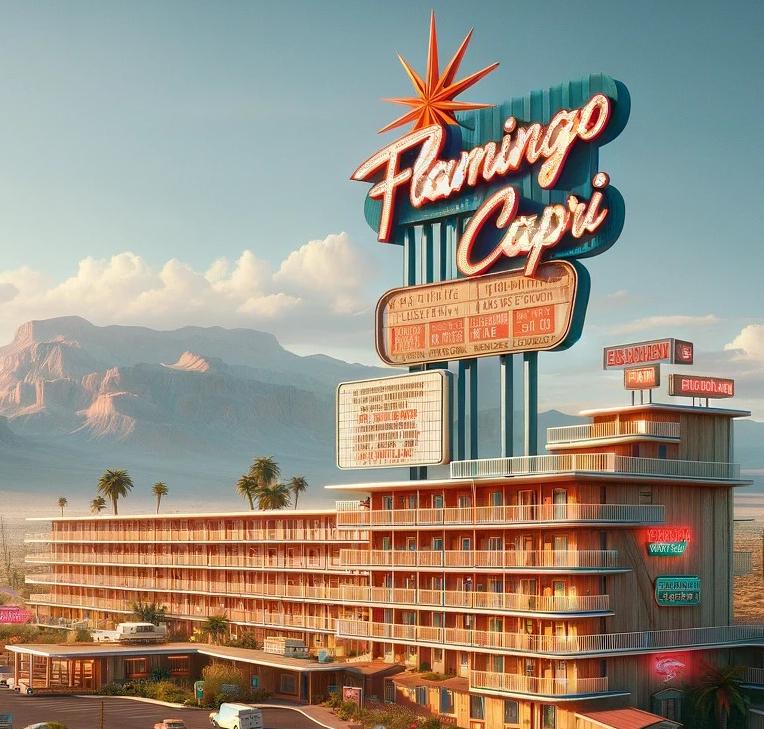
In 1971 Ralph Engelstad purchased the Capri, and by 1972 a casino was added. The ambitious Engelstad converted a portion of the Capri's motel buildings - physically relocating the structures to his nearby Kona Kai motel in 1973.
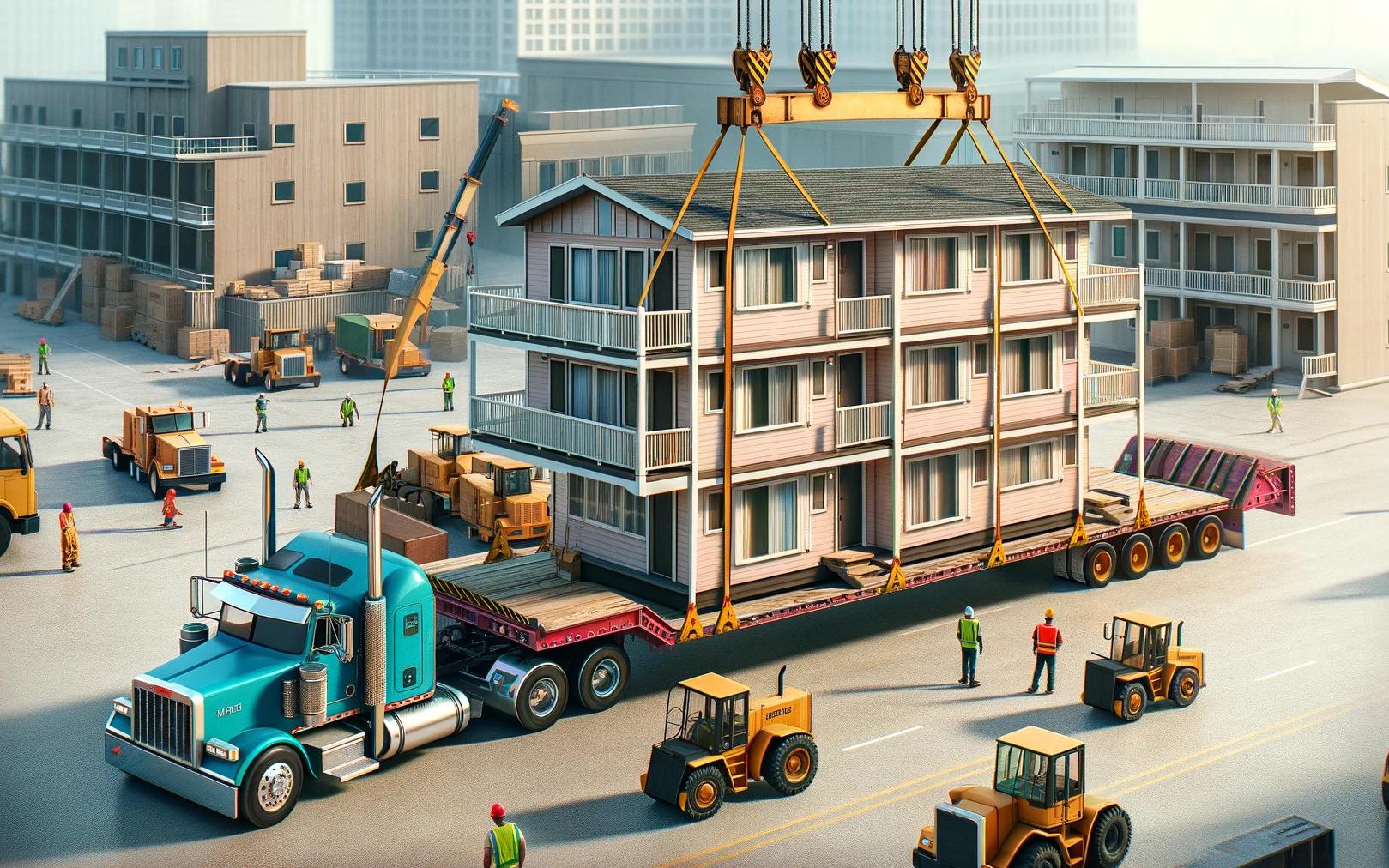
Engelstad hired Best Western to operate the Capri in 1976, allowing him to focus on a fresh nineteen story tower addition. The tower would be known as the Imperial Palace, opening in 1977. Later that year, a portion of the original Capri was demolished to make space for a new casino area and showroom. A proposal to rebrand the Capri as the Imperial Palace was developed and quickly finalized.
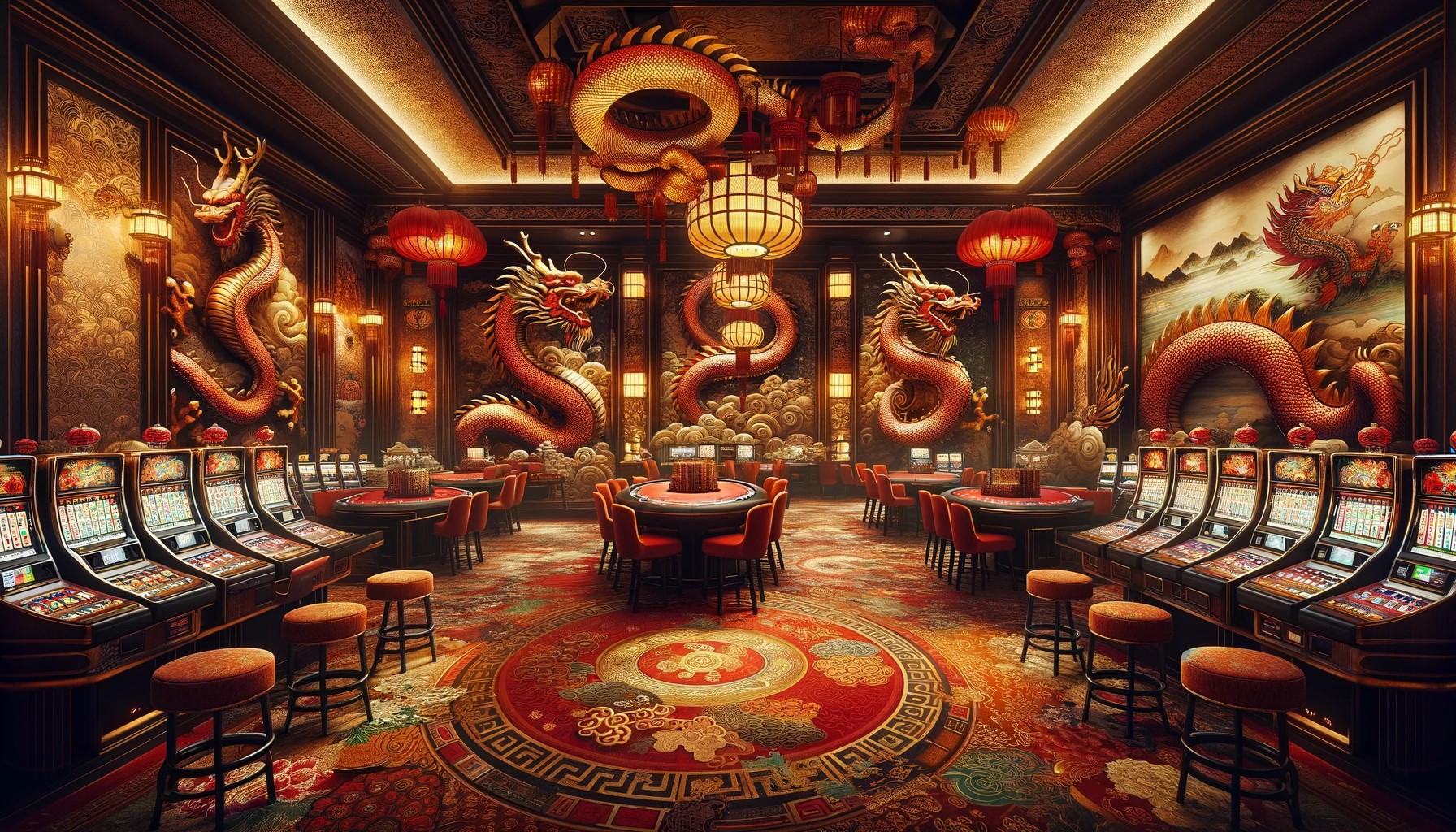
The official name change to the Imperial Palace ensued on November 1st, 1979 coinciding with the grand opening of the new casino. Its new interior was based on motifs from Asian culture and history. For its time, the Imperial Palace stood out as the only Oriental themed property on the strip. Ornate wind chime chandeliers danced overhead while dragon decorations were showcased throughout the resort.
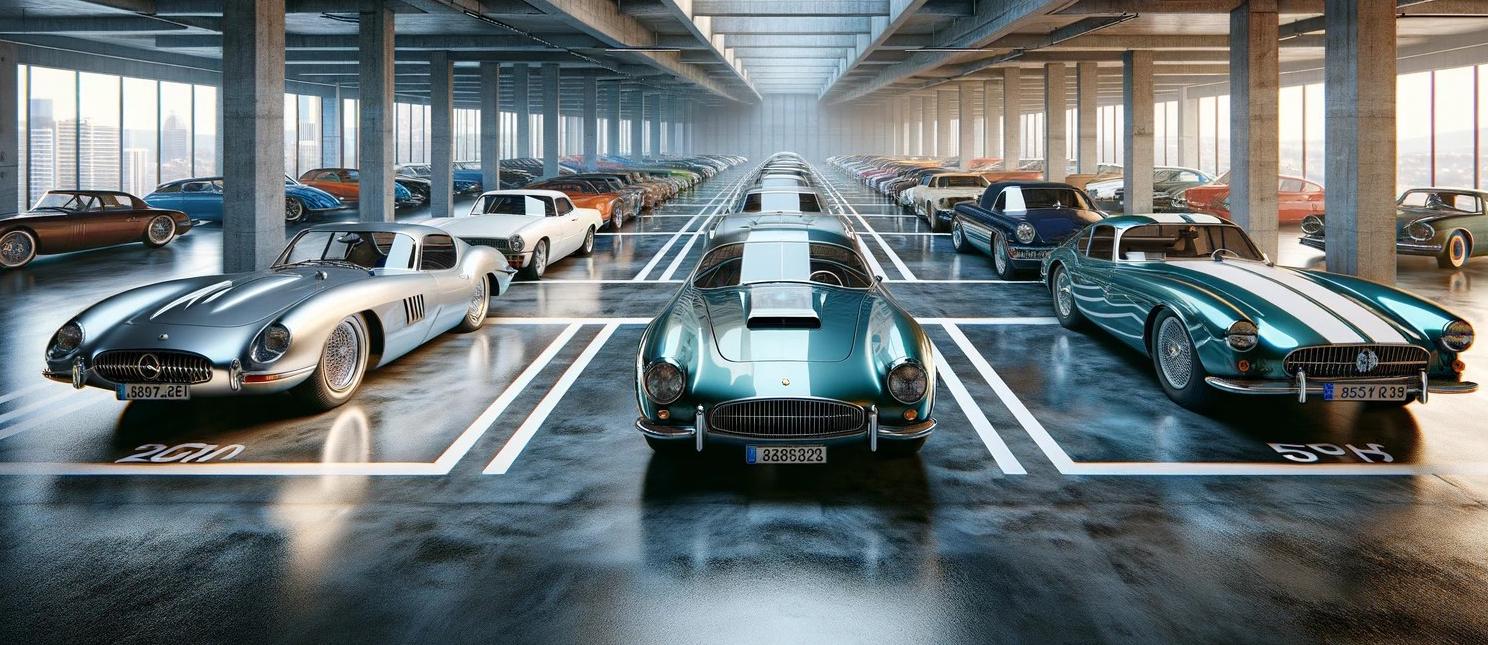
The famous "Autos Collections" was introduced in 1981, located on the 5th story of a new parking garage. The collection included 200 classic cars which encompassed a century of automobile achievement. Eventually the collection expanded to 1000 cars that were rotated through the exhibit, encouraging repeat visits. Additionally, the Palace hosted the start and finish location of the annual Imperial Palace Antique Auto Run - a popular event throughout the 1980s.
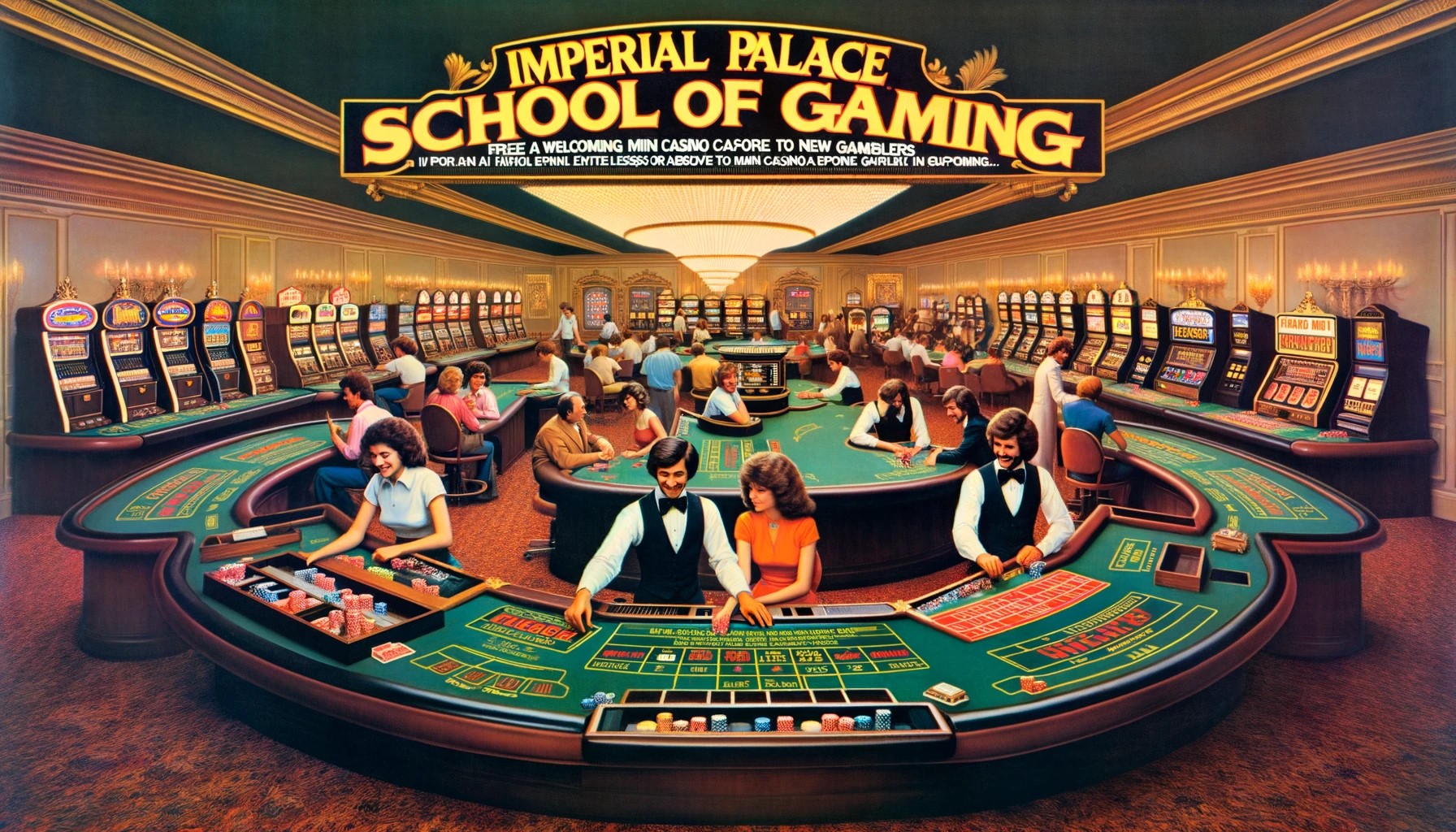
The Imperial Palace School of Gaming opened in 1982, offering free lessons to new gamblers. It operated as a mini casino, positioned above the main casino space. It was welcoming and encouraged new players to attend, becoming popular over the years. Eventually, the school moved to the main casino floor.
In 1988 Nevada Gaming Control officials discovered a "war room" in Engelstads' private office area. The room housed an enormous collection of world war two nazi memorabilia. A portrait of Engelstad depicted similar to Hitler was also on exhibit. After further investigation, the Gaming Control board discovered he hosted Nazi themed parties for a number of years.
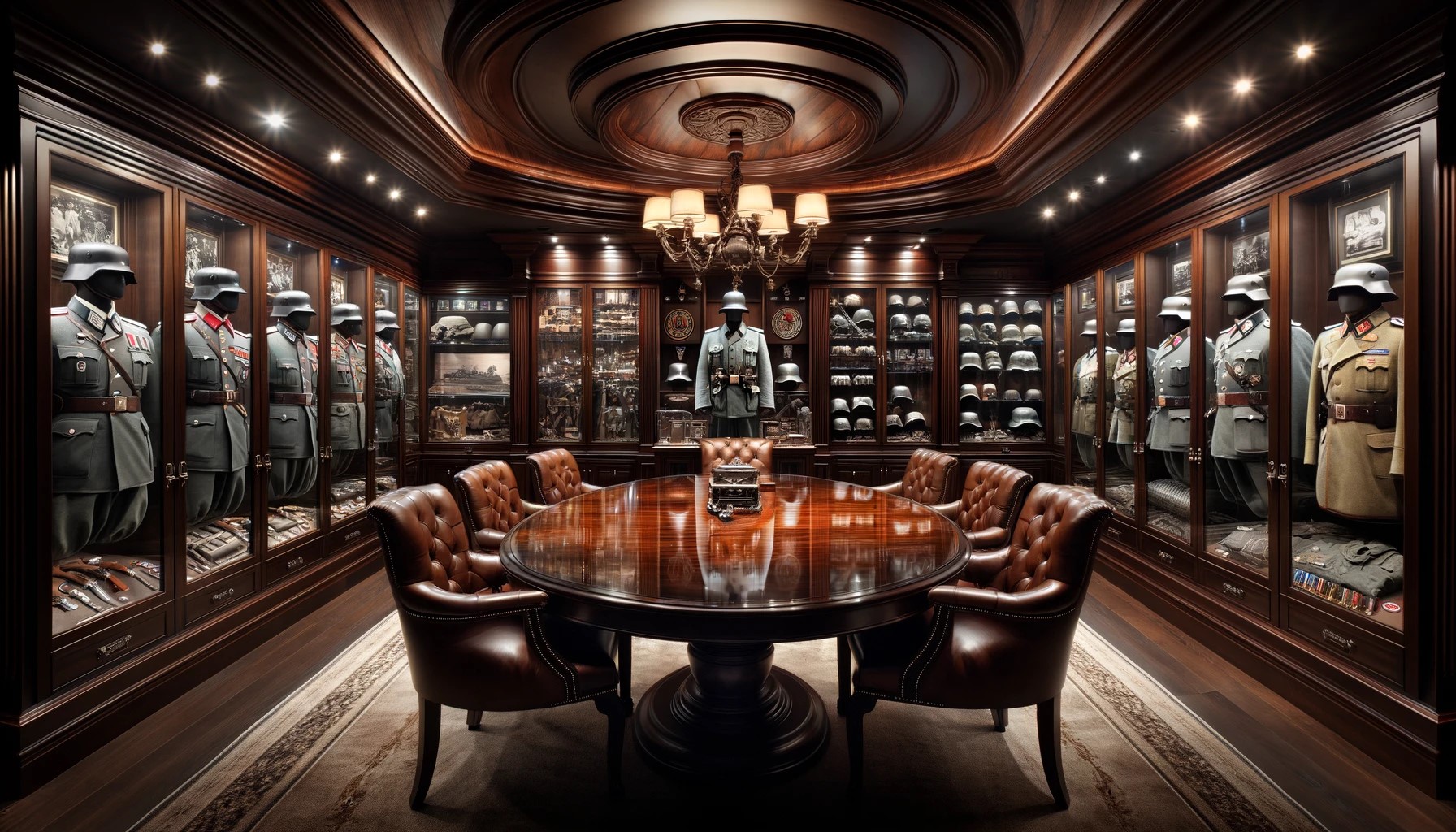
Gaming officials took action against Engelstad for bringing discredit to the gaming industry. He apologized and explained his collection was for historical purposes. This almost cost him his gaming license, but he paid a 1.5 million dollar fine to settle the dispute. This was the second largest fine from the Gaming Commission at the time.
A Drive-Thru option was added to the Palace's Sports book in 1991, making it the only location to offer the service. Patrons could place bets from their cars on Koval Lane, at the rear of the Palace. Throughout the 90's the Palace's sportsbook was known for its wide variety of wagers and bets available.
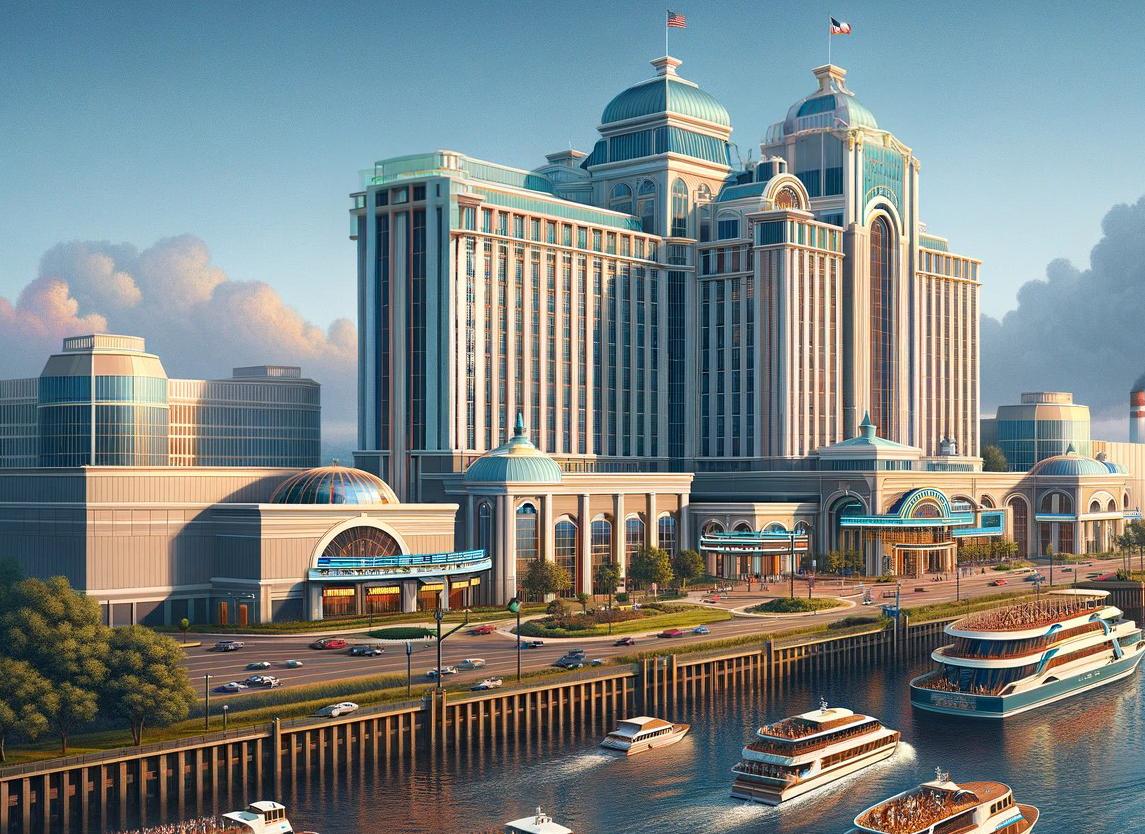
By the mid 1990s, Englestad contemplated selling the Imperial Palace as he pondered his future. At the time, the Imperial Palace was the world's largest privately owned hotel. Instead, Engelstad expanded his gambling empire by building a second Imperial Palace in Biloxi, Mississippi.
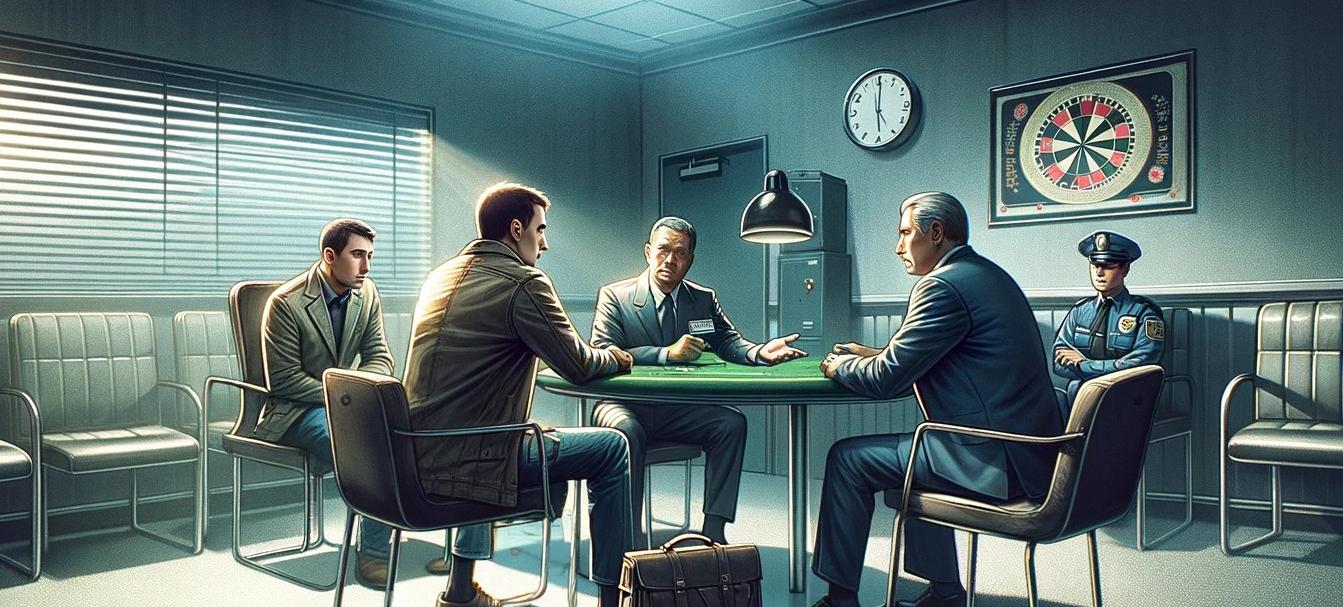
Professional gambler James Gorsjean was detained by Imperial Palace security after a profitable session in 2001. Gorsjean was a person of interest to the Gaming Control Board, however they eventually demanded he be released. In defiance of the order, security continued to hold Grosjean for some time. After his release, he sued the Imperial Palace for false imprisonment and was victorious.
Engelstad met his maker in November of 2002 due to lung cancer. By this time the Imperial Palace was the second largest privately owned hotel in the world, only behind its newer neighbor, the Venetian. Engelstad's wife, Betty, took control of operations with the assistance of their longtime attorney, accountant and general manager.
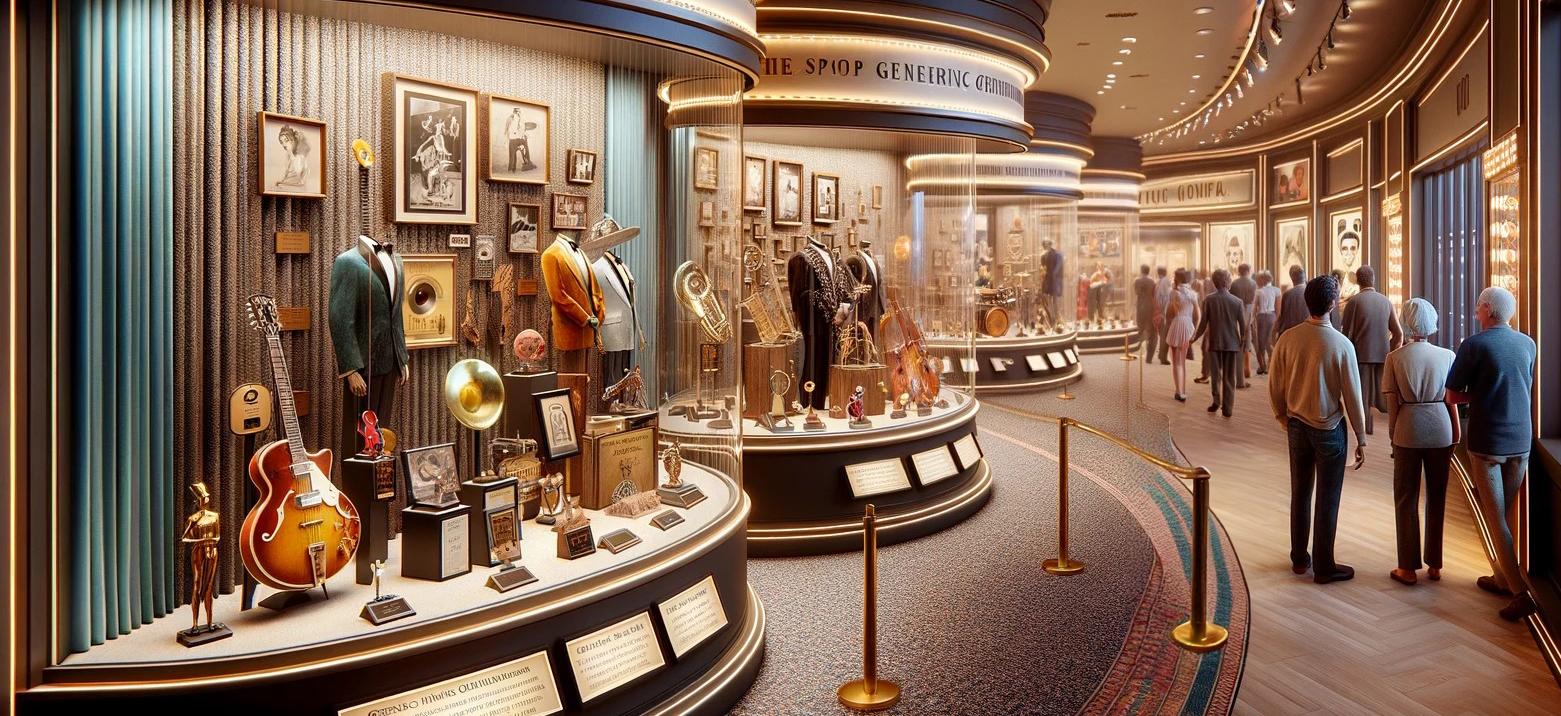
Harrah's Entertainment eventually acquired the Imperial Palace, and confirmed that it would remain open through 2007 while redevelopment concepts were explored. A lease deal was crafted, allowing Harrah's to utilize the Imperial Palace Name through 2012. A new attraction, "The King's Ransom" was added in 2009, featuring Elvis memorabilia. In 2010, Harrah's Entertainment was rebranded as Caesars Entertainment Corporation.
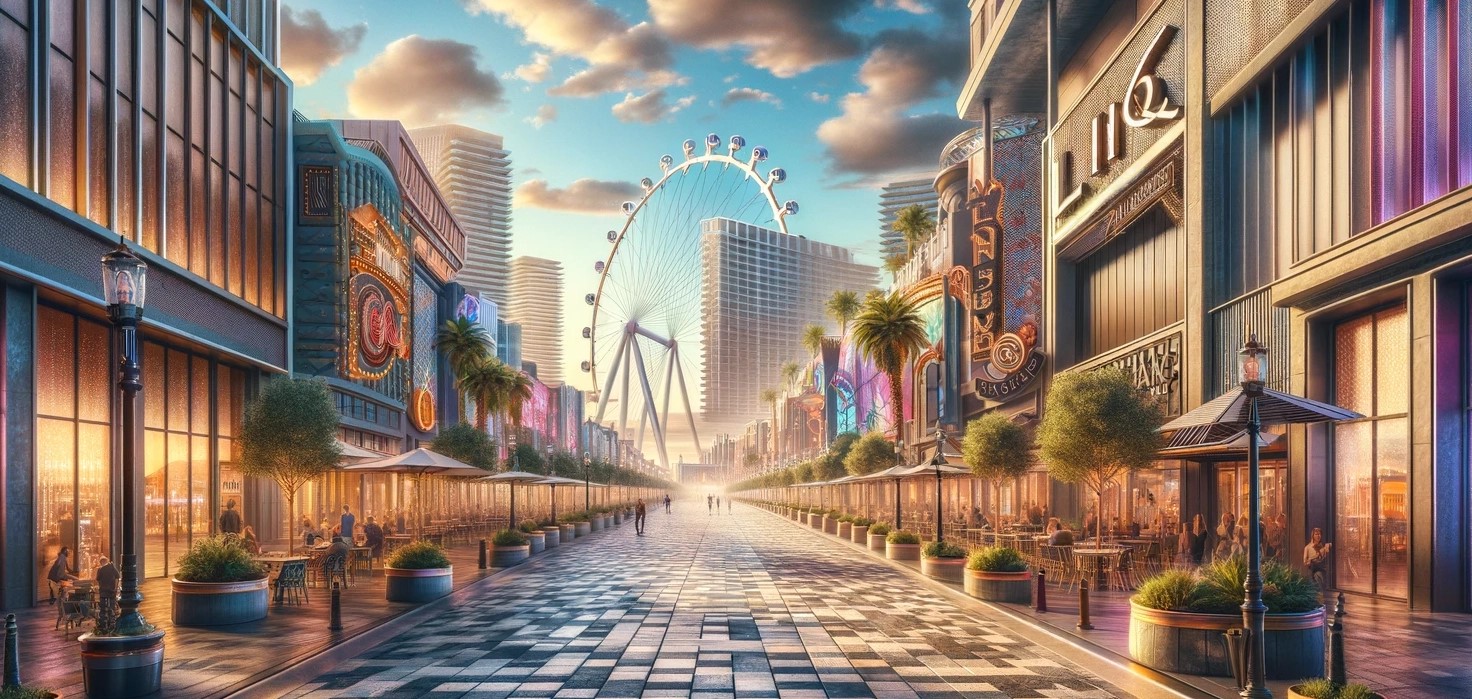
With the name lease agreement concluding in 2012, Caesars started building "Project Linq" just south of the Imperial Palace. Project Linq would include an outdoor boulevard of shops, restaurants, and bars. To make way for the development, ninety of the oldest rooms, dating back to the Flamingo Capri days, were destroyed. Project Linq would "link" the Imperial Palace to the Flamingo via this new corridor of attractions.
Caesars declared the Imperial Palace would be renamed "The Quad" in the early fall of 2012. The official name change happened on December 21, 2012 - concluding the Imperial Palace's 33 years of beloved history.
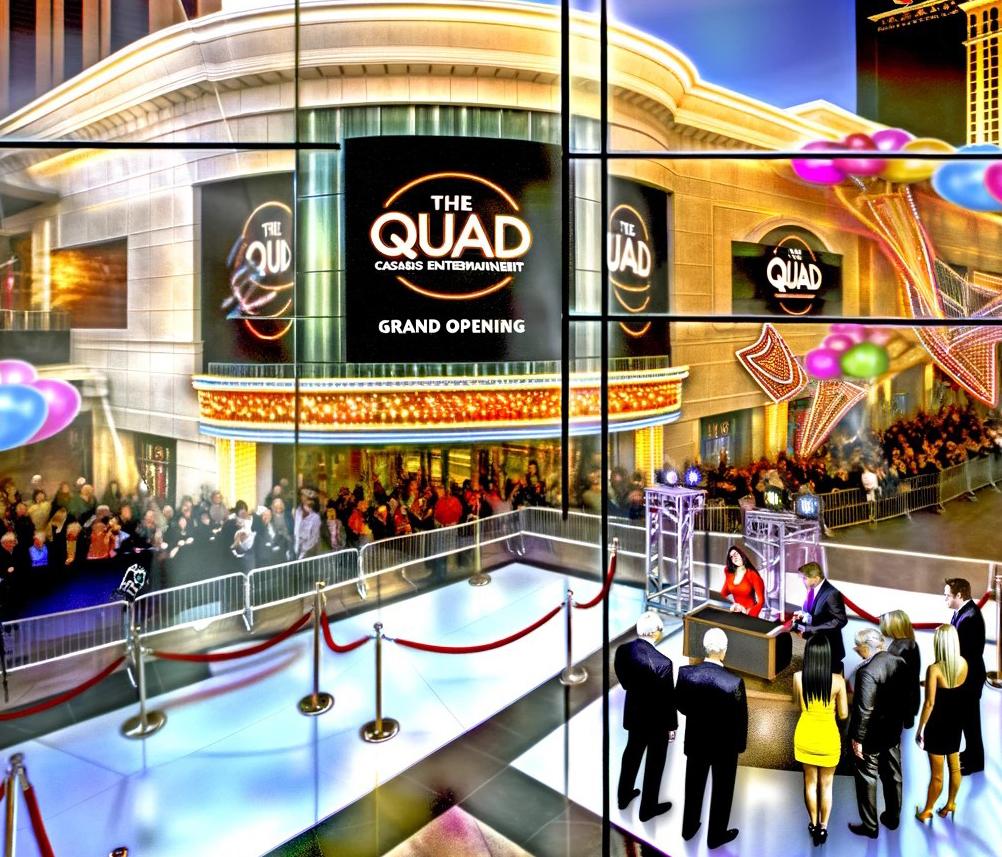
Ultimately, the Quad name was short-lived, and in 2014, it was replaced with simply "The Linq", a nod to the popularity of "Project Linq", now known as the "Linq Promenade". To this day, the Linq remains a popular choice due to its reasonable prices and location. While the Asian motifs and facade are long gone, the Imperial Palace's legacy lives on. Its location in Biloxi is still going strong - now operated by Boyd Gaming.
Matchbook No. 0005 · Catalogued 3/24/24
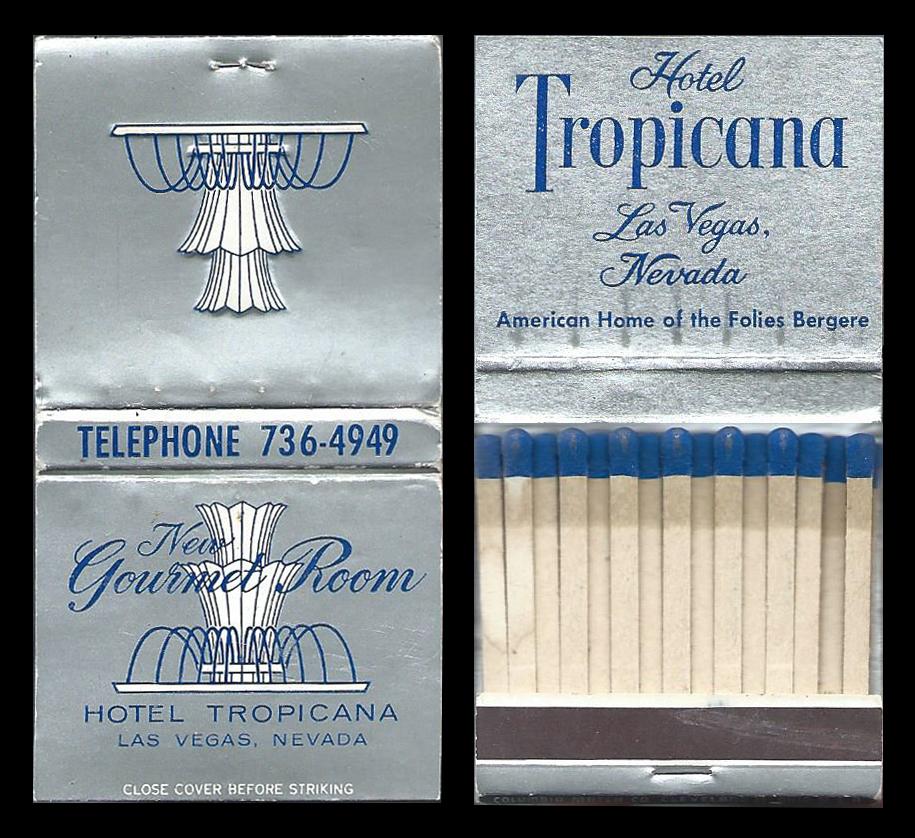
A pioneer of fine dining on the Las Vegas strip, The Gourmet Room debuted at the Tropicana in 1957. Its excellent dishes, impeccable service, and celebrity management would influence Las Vegas dining for decades to come. This reasonably worn Matchbook dates back to the mid 1960s. One match is missing, and the striker was used once. I imagine the story behind that single match might be an interesting one.
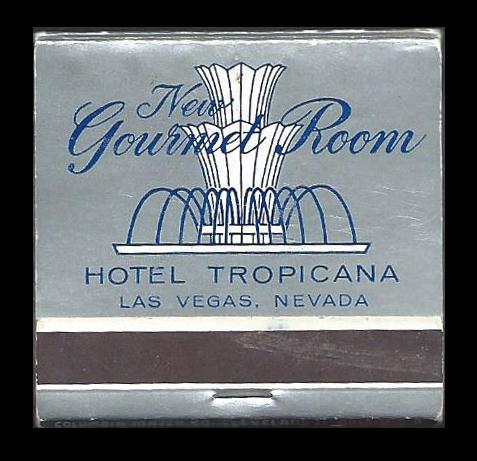
The closed front cover displays the iconic Tropicana Fountain in white, on a silver metallic finish, and outlined in blue. The title "New Gourmet Room" is printed over the top of the Fountain logo in a classic script style. A single match strike is evident on the right side.
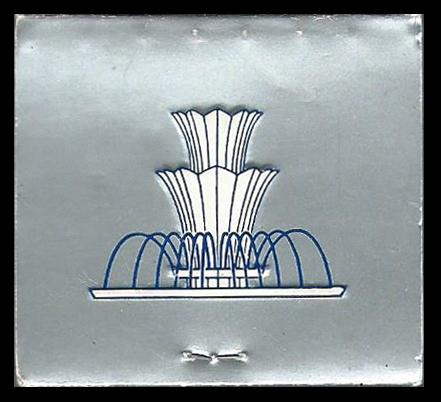
The back cover also depicts the famous Fountain logo - trademarked in 1958 for the Tropicana. The sixty-six foot fountain concealed a cooling tower. The Tropicana was the first resort to offer air conditioning standard in all rooms. Slight wear is evident from the match heads resting within the closed matchbook over the decades.
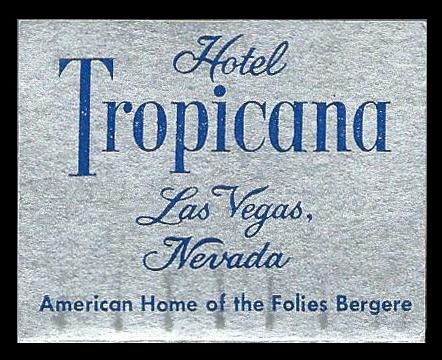
Inside, the top cover simply provides Tropicana's name in its classic typeface. The blue letters contrast nicely with the brushed metallic finish. The Folies Bergere is promoted along the bottom - the longest running show in Las Vegas history. Faint vertical marks appear across the lower portion, blemishes left from the match heads.
The spine supplies a seven digit phone number in blue. Some of the cover's silver finish is worn on the edges and creases. The saddle area reveals Columbia Match Co. in Cleveland, Ohio as the manufacturer.
As the Tropicana was preparing to open in 1957, boss Phil Kastel searched for a unique dining experience that would make his new Tropicana irresistible. Leaning on longtime business associates in organized crime and the entertainment industry, Kastel approached famous Los Angeles Restaurateur Alessandro Perino.
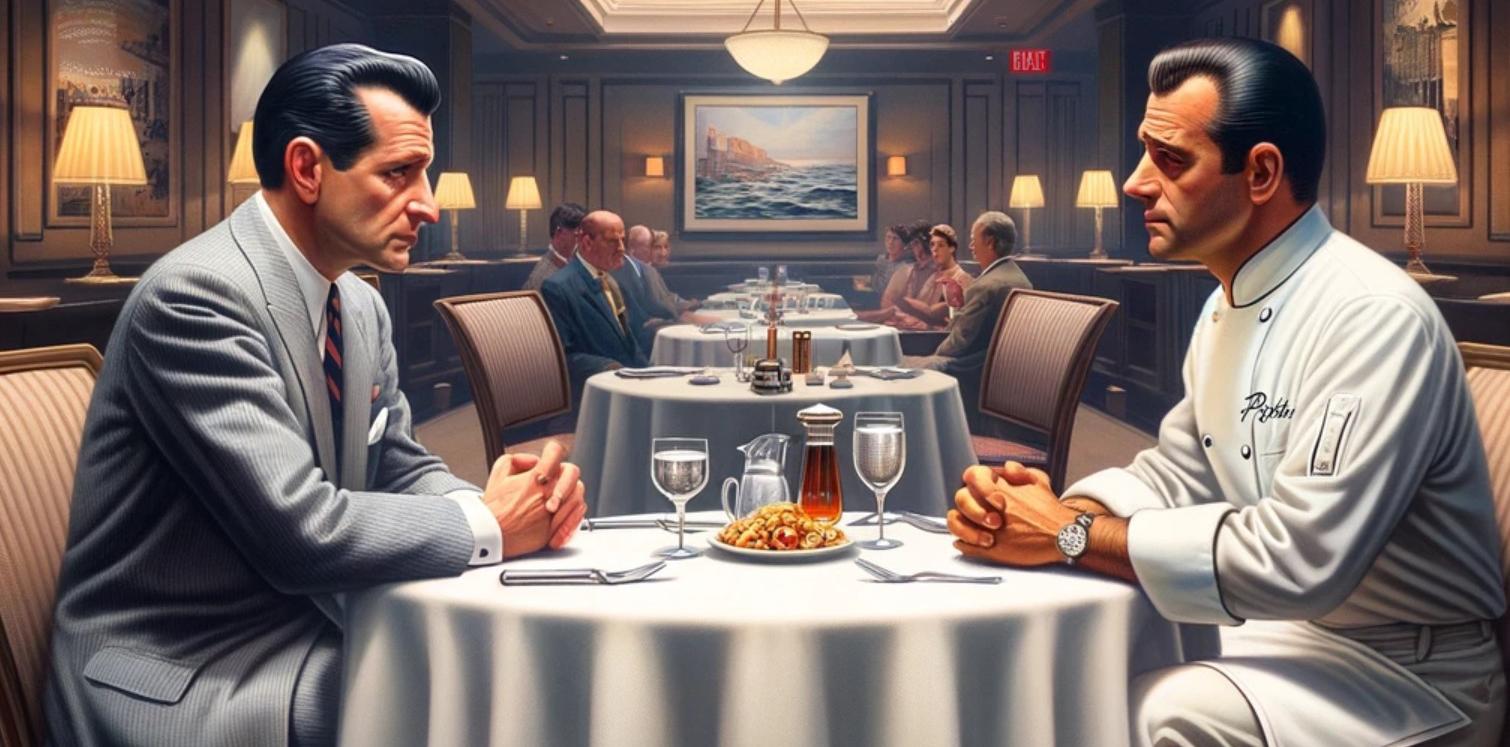
After decades of hard work, Perino had established a high profile operating his namesake, "Perino's" in LA. It was known for its excellent cuisine and unmatched service. Liz Taylor, Dean Martin, Howard Hughes and Bugsy Seigel were frequent guests. Perino featured 150 entrees, and almost 300 various wine offerings. The menu changed daily and Perino's attention to detail was unequaled.
Perino realized the opportunity with Kastel was valuable for his brand, and agreed to a deal. He would oversee the Tropicana's Theater Restaurant, the Brazilian Room and Perino's Gourmet Room. With Perino's name attached to the Tropicana, Kastel had discovered a winning formula. This is possibly the first example of a "Celebrity Chef" lending their name to a Las Vegas establishment. Perino had earned his fame through hard work, gourmet cooking, and discipline over the years, not reality TV Shows.
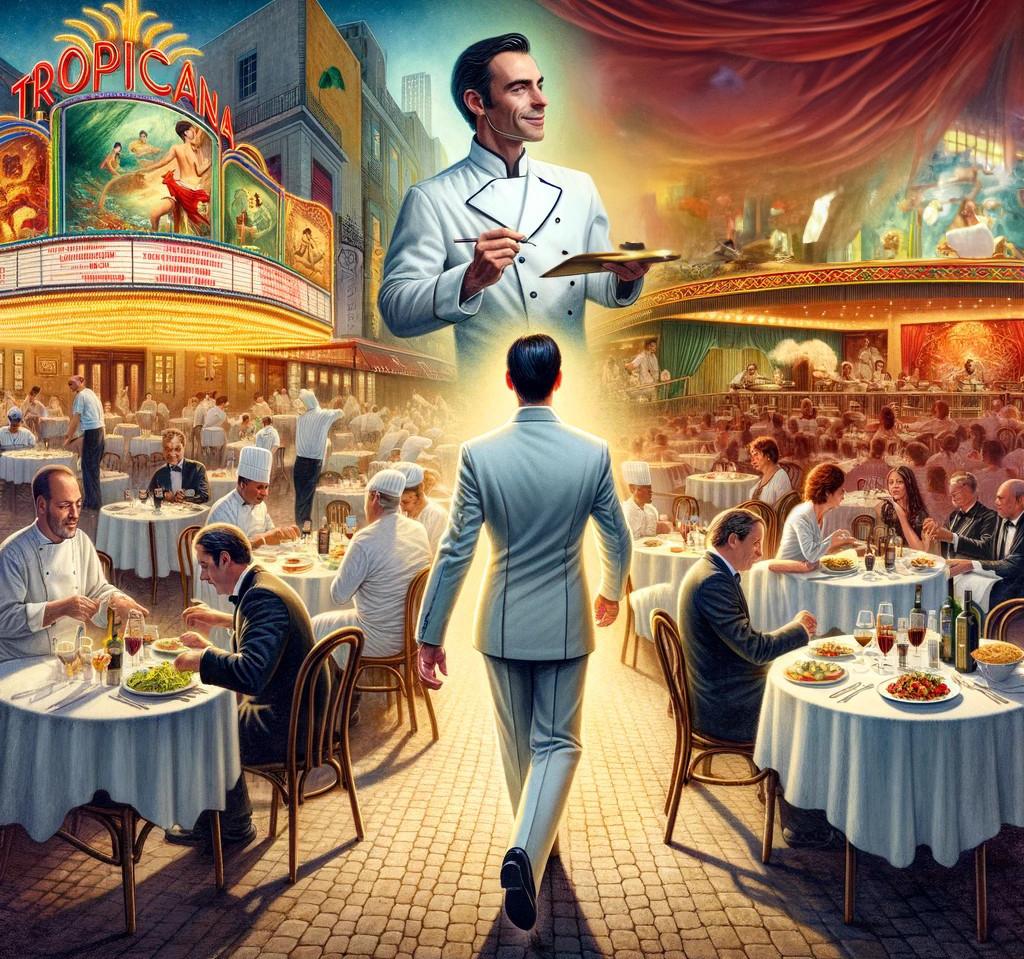
The Gourmet Room quickly became a popular option for sophisticated diners. Its French themed cuisine was world class. Operations kept Perino extremely busy, however, he never sacrificed his high quality meals.
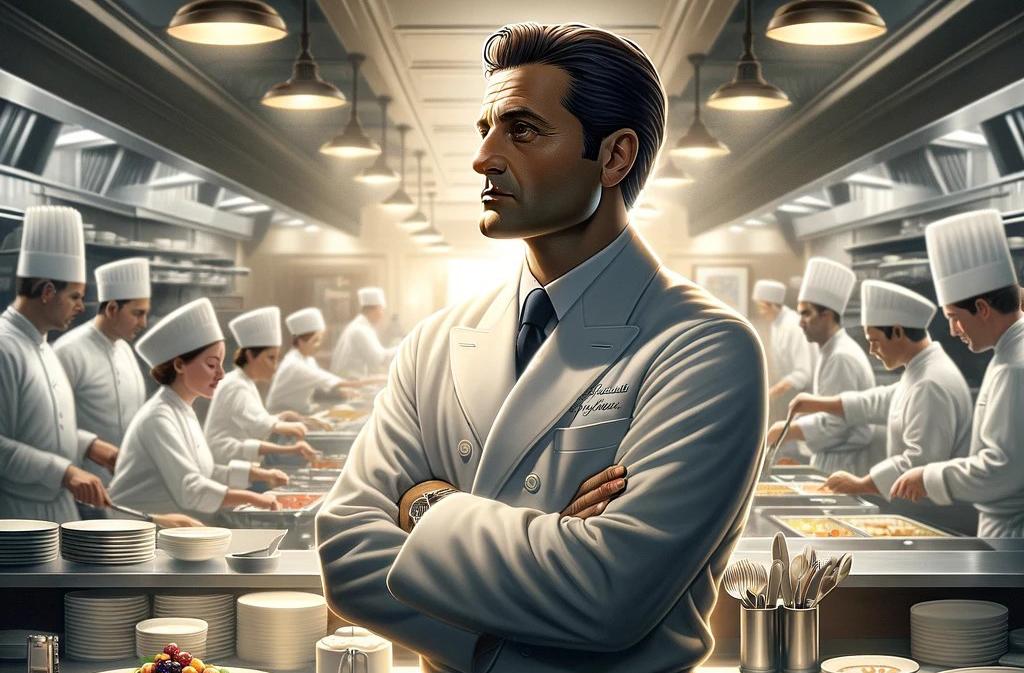
By 1962, Perino was overwhelmed managing his restaurants in LA and Vegas. Rather than lower his standards, he decided to bow out of operations at the Tropicana. While Perino had left Vegas, his traditions had already influenced properties across the strip. The Flamingo's Candlelight Room and the Dunes' Sultan's Table were both shaped by Perino's touch.
In 1972, the Gourmet Room was still revered as one of the finest dining options in Vegas. Famous interior designer Valerian Raybar was hired to refresh and enhance its romantic, quiet characteristics. Chef Otto Ramoser was now in charge, and had become one of Vegas' most recognized culinary experts.
A reworked menu featured French and English offerings - enough to fulfill most tastes. Service continued to be impeccable. They boasted a message on their menu - "The Essence of Fine Cuisine is Achieved by Allowing Time in Preparation". This marketing gimmick teased the delectable reward which was just a respectable wait away. Piano and violin music filled the dining room with delightful ambiance during the experience.
The New Gourmet Room's successful formula continued for many years. In the mid 70s it was referred to as "Le Gourmet Room", still maintaining its high standards. During this period, the menu was simplified and focused on French cuisine.
As Tropicana ownership juggled hands in the late 70s, expansion and evolving tastes ultimately caught up with the Gourmet Room. By the 1980s, it was gone - but its mark on Vegas history remains today. The Tropicana pioneered the "Celebrity Chef", before the likes of social media and reality TV. This feat shouldn't be overlooked or forgotten. Guy Fieri, Gordon Ramsey, and Robert Irvine all owe credit to Perino's trailblazing influence on the Vegas Strip.
Matchbook No. 0006 · Catalogued 3/31/24
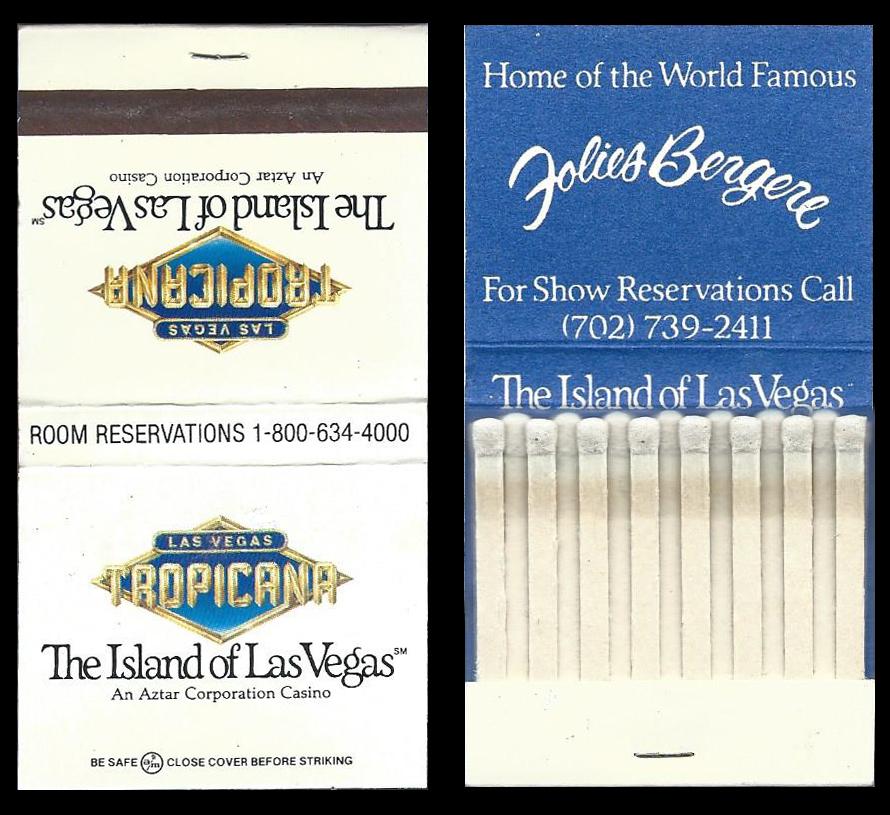
This complete early 1990's Tropicana matchbook utilizes their "The Island of the Las Vegas" marketing campaign. The outside has a basic white background and exhibits subtle wear accumulated over its three decades. The vibrant inside contrasts well with the plain exterior. It promotes the Tropicana's long running signature show, the "Folies Bergere".
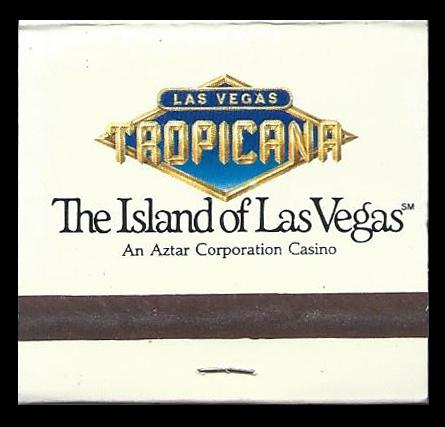
The closed back cover features a 1980's, almost video-graphic styled, Tropicana logo. The gold Tropicana title has a beveled, jewelry-like finish, giving some depth and weight to its letters. "The Island of Las Vegas" is displayed in a decorative artcraft serif font. The striker appears to show wear from storage, but remains unstruck.
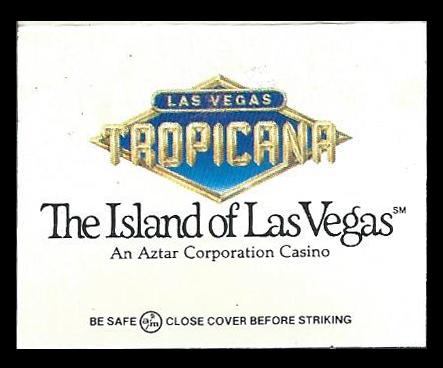
The front presents the same artwork as the rear. This Tropicana logo is faded and washed out compared with the example on the back. The Aztar Corporation's branding is present - a new company that was spun off of Ramada during restructuring. Across the bottom we see a safety warning - a result of the prevalent personal injury litigation in the late 1980's.
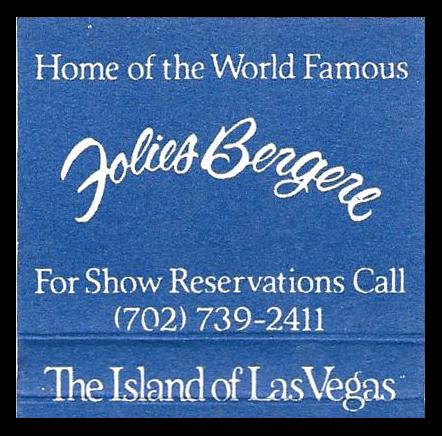
A stunning blue background is revealed on the inside cover. A curved script style typeface promotes the "Folies Bergere". A seven digit phone number is provided for show reservations. "The Island of Las Vegas" is printed on the inside spine, slightly overlapping the bottom crease. This is the third example of "The Island" branding on this matchbook.
A 1-800 phone number for room reservations Is displayed on the spine in simple, uppercase lettering. The saddle indicates Univ. West/Atlas as the manufacturer.
Lasting effects of the recession had impacted businesses across the country in the early 1980's. Las Vegas was particularly affected - inflation, gas, and travel costs simply kept visitors home. The once luxurious Tropicana was showing its age and losing its luster. Ramada now owned the resort and wagered on targeting a more common and frugal clientele.
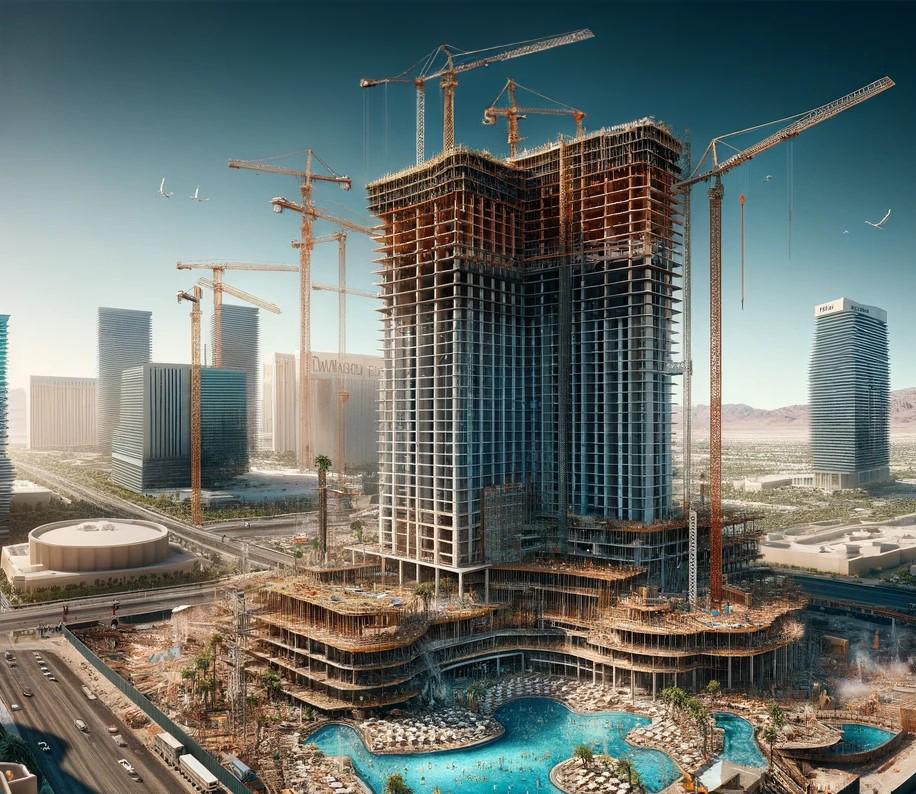
Forecasting potential double digit growth margins for 1985, plans to invest into the property were solidified. By late 1984 it was announced that Ramada would pour $55.2 million into an expansion project at the Tropicana. With an expected finish date of early 1986, a large tropical island pool area would be installed to rejuvenate the property.
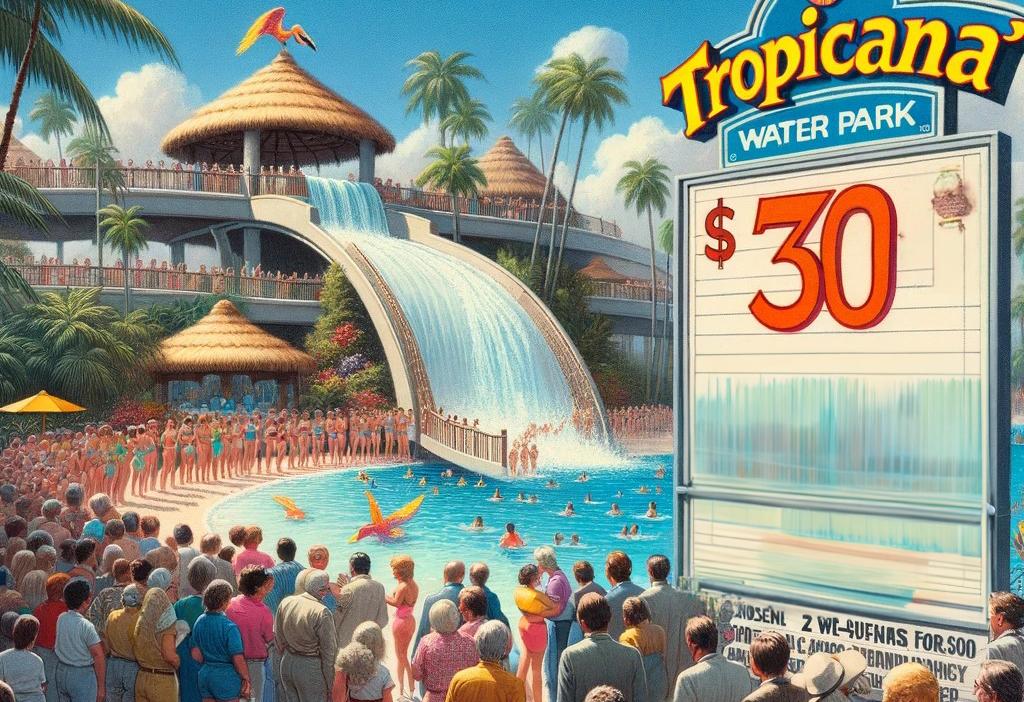
Designed to mimic a lush island paradise, the new water park showcased three pools totaling 12,000 square feet of swimming area. A heated indoor pool featured swim up blackjack tables with waterproof cubbies to keep money dry and secure. Palm trees, waterfalls, and exotic birds enhanced the ambiance, providing a rainforest-like soundtrack.
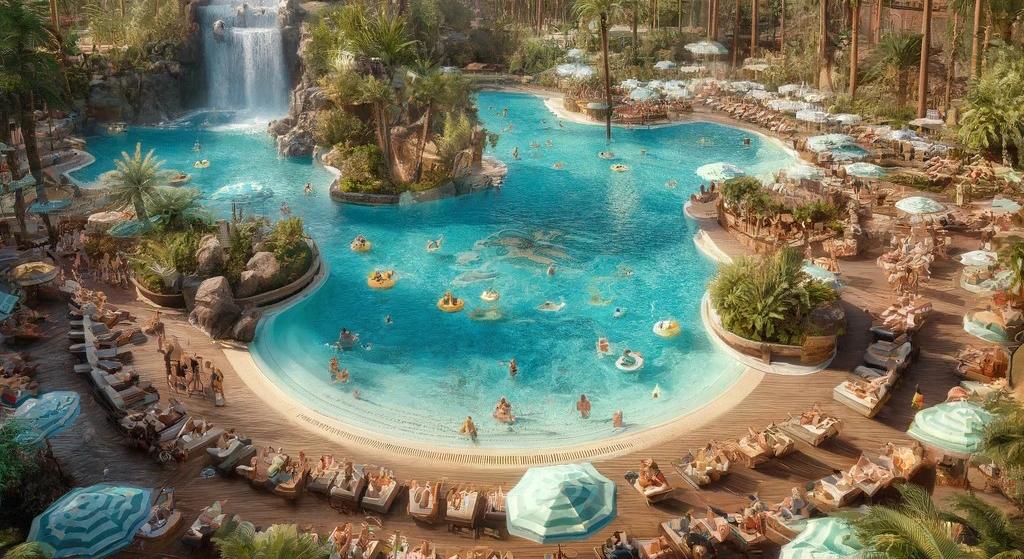
Titles such as "Sunset Falls", "Tradewinds Grotto", and "Emerald Isle'' were utilized to designate sections of the tropical expanse. Dozens of species of trees and flowers crowded the five acres, while koi and exotic birds complete the lagoon atmosphere. The nickname "The Island of Las Vegas'' was adopted for marketing and branding to spotlight their new centerpiece.
A fresh 22 story "Island Tower", including a three tiered Tropics Restaurant and Lounge was included in the renovation. The tower added over 800 rooms to the property, with the new restaurant overlooking the pool below. The revitalization project totaled $70 million and concluded on time in early 1986.
Initial pricing for the water park was $30 upon opening to the public on Jan. 24, 1986. Soon, pricing was adjusted to a two night two person package for $50. The goal of Ramada management was to appeal to the common American tourist.
Ramada reorganized operations in 1989 and Gaming businesses were rebranded as an offshoot called Aztar Corporation. This included the Tropicana properties in both Las Vegas and Atlantic City.
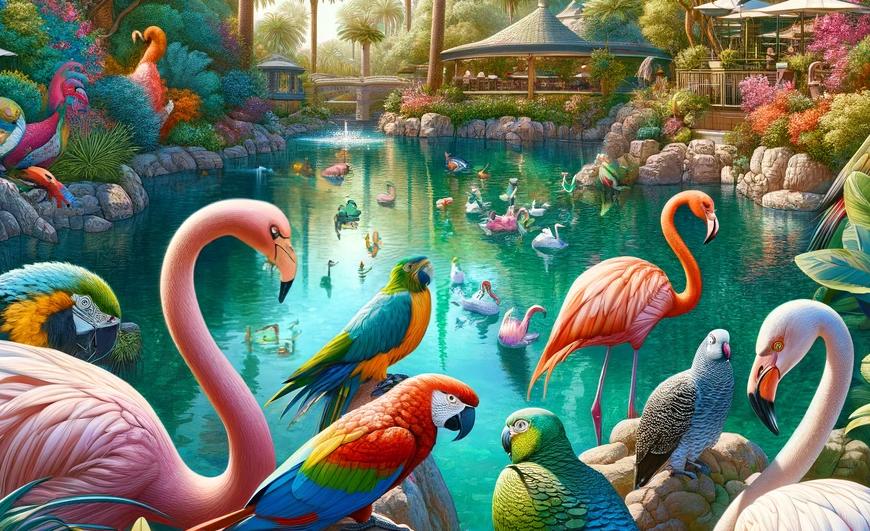
An expanded bird and wildlife habitat was integrated into the pool area in 1993. The tropical lagoon themes were restyled with Caribbean village accents. Pygmy marmosets, one of the world's smallest monkeys, were showcased at the habitat. Toucans, cockatoos and peacocks were also featured. To further the Caribbean touch, two humongous Aku Aku gods were installed at the hotel's main entrance.
In the early 2000's Aztar Corp. shared plans of a possible $500 million expansion of the Tropicana, potentially replacing existing structures at the northern end. Facing uncertainty, these plans were pushed back allowing Aztar to concentrate on expansion projects at the Atlantic City location.
In 2006, Aztar Corp. announced plans for a $1.2 billion redevelopment of the Vegas Tropicana Property. It was all but a certainty until a bidding war broke out for the Aztar Corporation itself. In a cluster of events, Aztar Corp. was ultimately purchased by Columbia Sussex in 2007. A stark reminder that nothing in Las Vegas is a certainty - especially in the gaming industry.
Matchbook No. 0007 · Catalogued 5/11/24
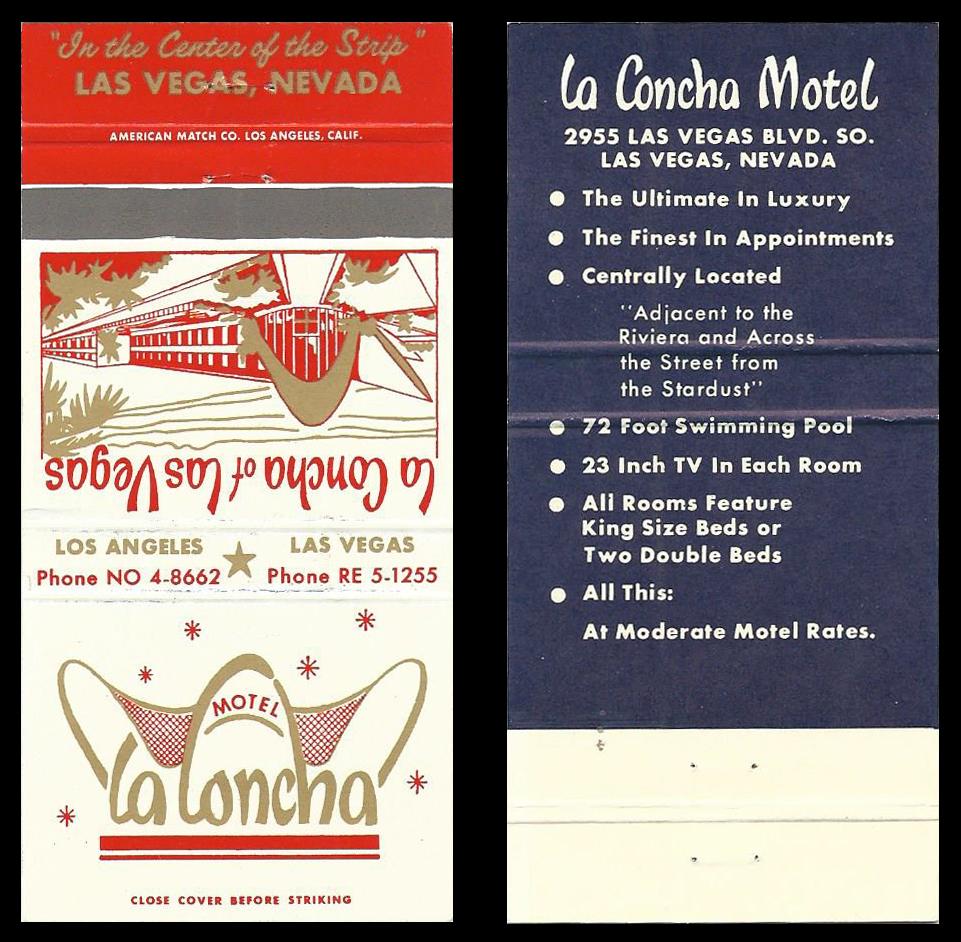
Debuting in 1961, the La Concha Motel was an illustrious addition to the Las Vegas strip. Its eccentric "Googie" style architecture made it shine amongst its neighbors - the Riviera and the Stardust. This excellent condition flat is likely 60 years old. Vibrant colors and details are featured on the exterior, while a simple inside lists the luxurious amenities. Gold, red, and white is spread throughout to illustrate one of Las Vegas' most unusual structures.
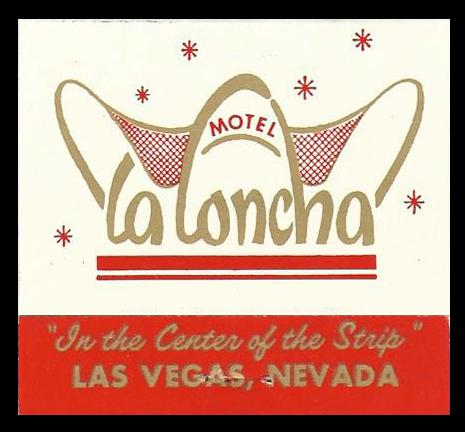
The front cover shows the iconic swooping curves of the motel lobby. La Concha's name has been creatively integrated into the building. The "La'' segment of the name completes the left side of the structure. The "Conch" portion completes the center, with the last letter "a'' acting as the right side. The "C" and "H" curve up towards each other to complete the middle arch. Competing red lines reinforce the logo from below. Cross-hatched red shading adds depth to the curvilinear design. Red twinkles are scattered around - injecting a sparkling highlight. The motel's prime location is noted in a gold script font across the bottom.
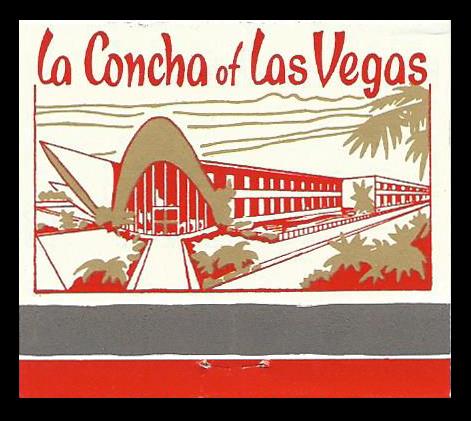
The back cover provides a three quarters perspective of La Concha. The motel is depicted beautifully in a red, white, and gold color pallet. Mountains are illustrated in the distance and palm-like foliage is featured in the foreground - both in gold. The depth and detail exemplified in this modest design is stunning.
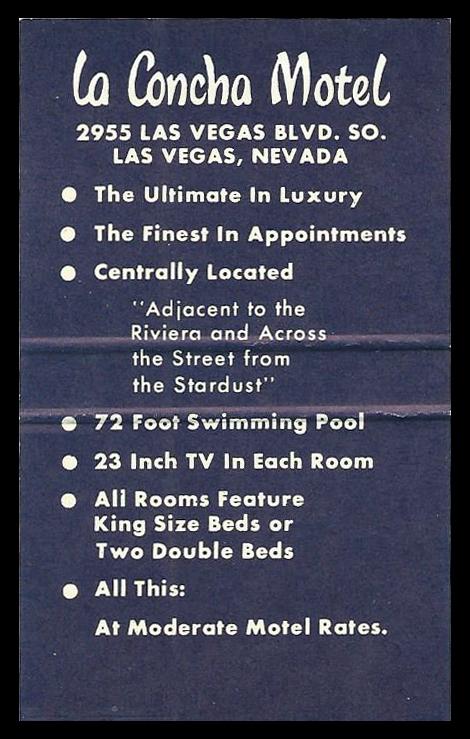
The interior lists La Concha's "ultimate and finest luxury appointments" against a blue background. Its central location is mentioned again, alerting patrons that casino options are just a short walk away. A large 72 foot swimming pool provided plenty of lounging areas. Each room featured a 23 inch television - the "Big Screen" of the early 1960s. All of these appointments were included for "Moderate Motel Rates".
The spine presents two, five digit phone numbers for Los Angeles and Las Vegas residents. A gold star is showcased centrally. The saddle area reveals American Match Co. as the manufacturer, produced at their LA factory.
Los Angeles real estate developer M.K. Doumani secured a piece of land just south of the Riviera in 1959. The land featured almost 1000 feet of prime Las Vegas strip access. After nearly two years of fundraising for his new motel resort, Doumani commissioned architect Paul Williams to design the La Concha.
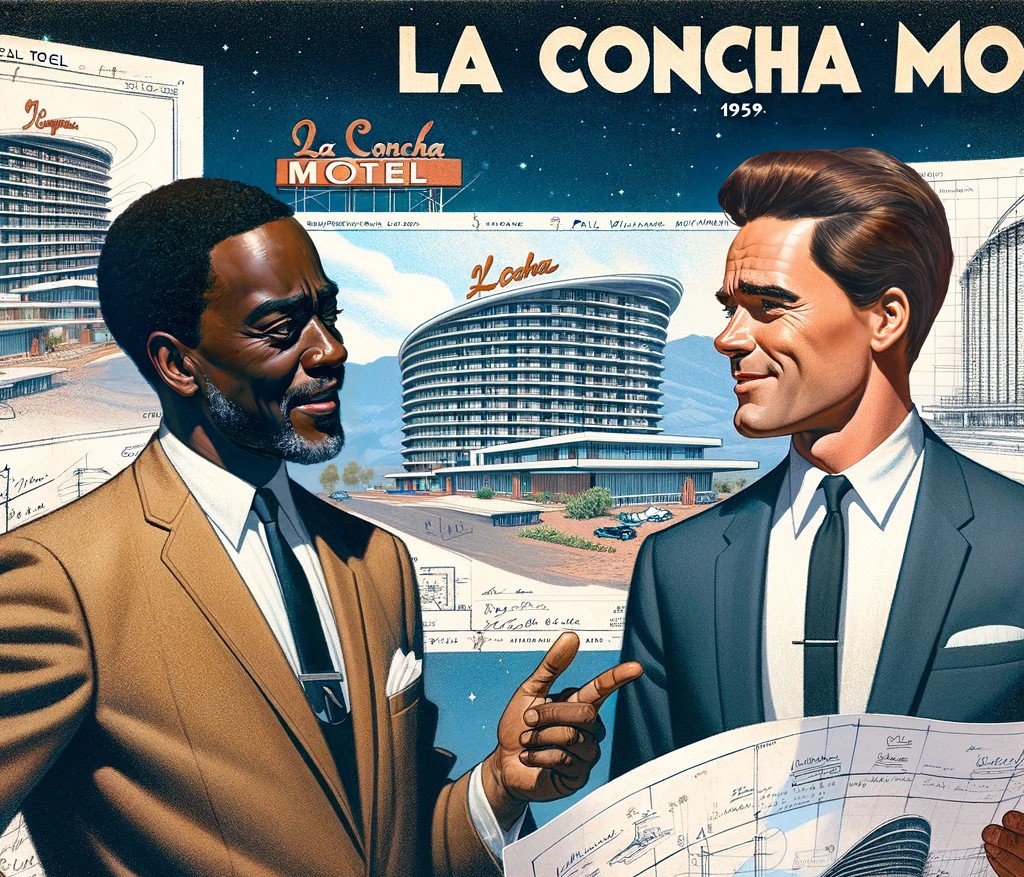
Doumani connected with Williams at his Los Angeles office and requested the project be unconventional and distinct from other architecture on the strip. With Doumani observing, Williams forged an initial sketch that included three swaying arches.
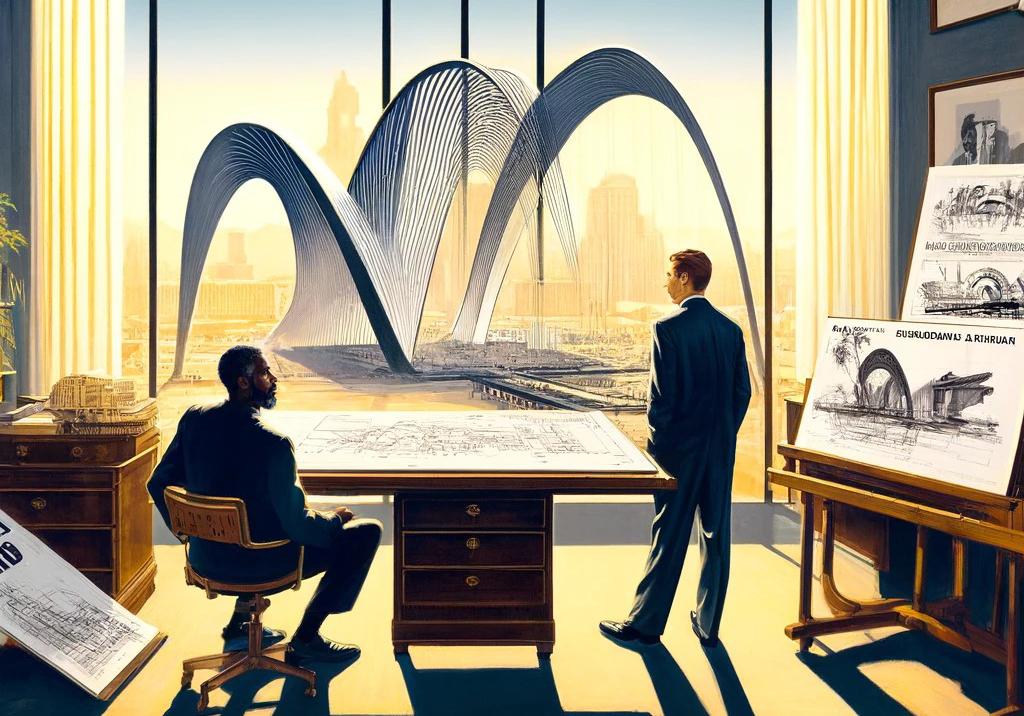
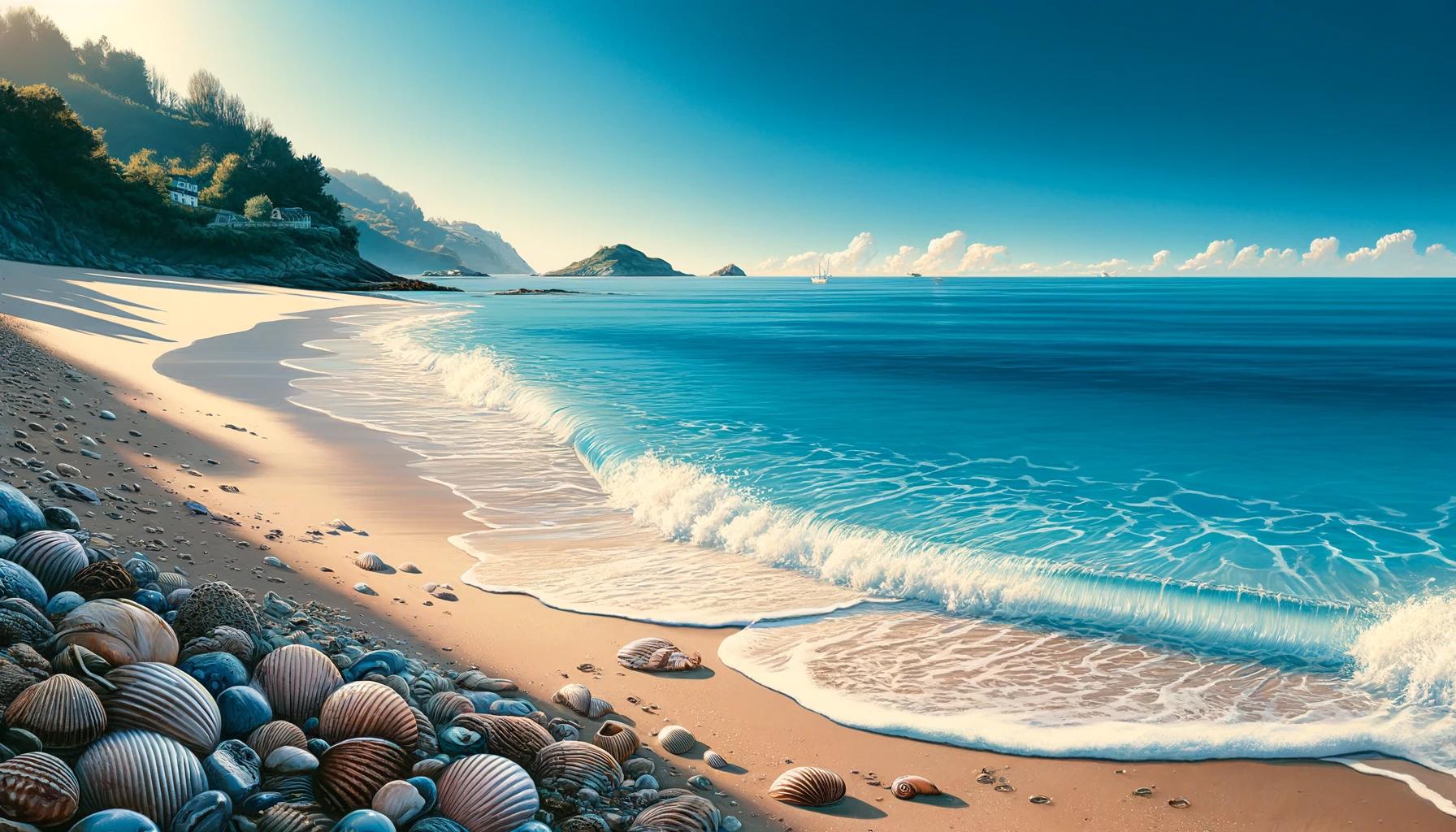
Williams refined the arches into a conch themed lobby building that also referenced popular space age motifs of the 1960s. Its curvilinear, swooping, shell-like appearance would certainly catch the attention of strip traffic. The eccentric look is said to have been influenced by the Beach of La Concha in Spain, and "Googie" architecture.
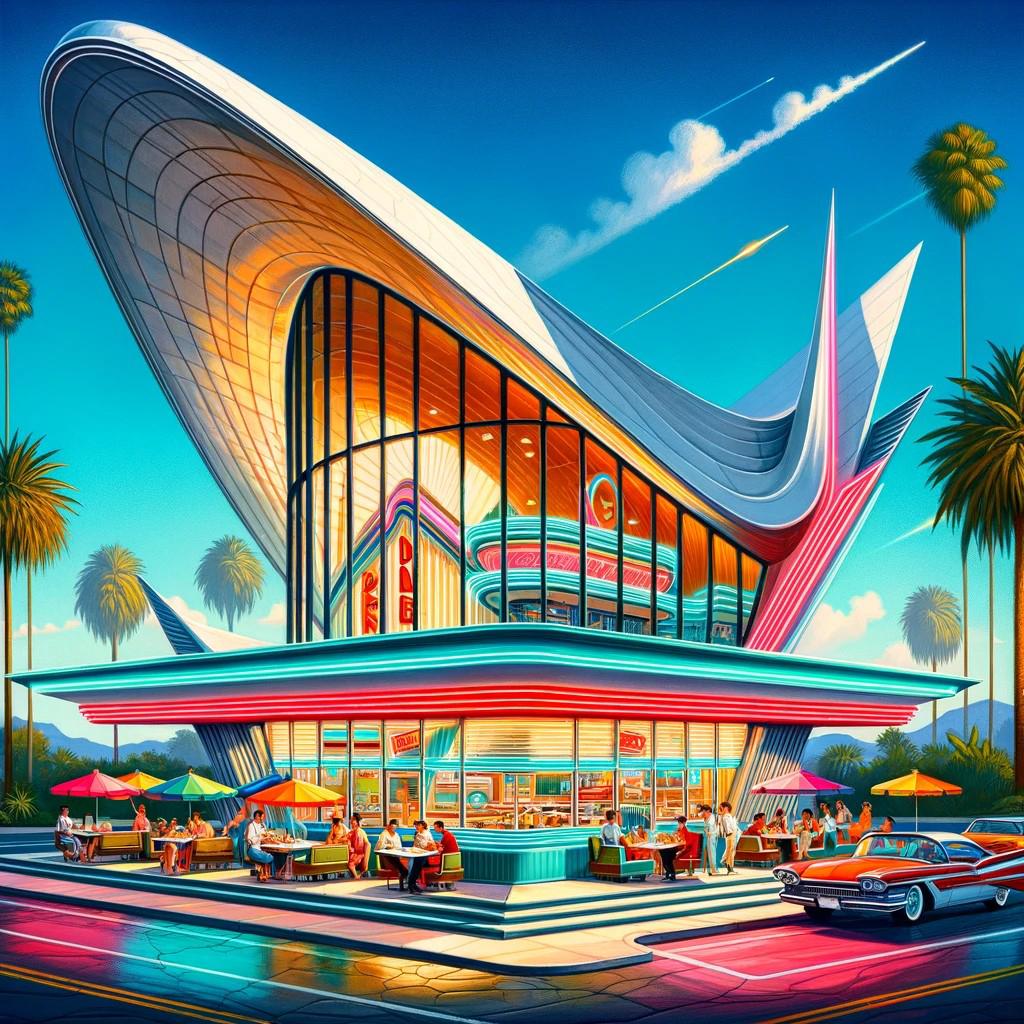
The "Googie" style, a futuristic, space age look, was popular from the late 1940s until the early 1970s. Curves and linear designs were combined with various geometric shapes to create this "Jetsons" look. Non-functional features like upswept roofs and over the top atomic age accents made the style eye-catching.
The lobby building's construction was a unique process, and would be hard to replicate today. A latticework of steel was utilized to create the curving slopes and the framework of the conch shape. A thin layer of concrete was then poured over the steel frame. While the lobby features beautiful flowing curves, the rear building was a traditional motel structure.
To save money on the project, the Doumani Family assisted with various aspects of its construction. They sourced building materials from local hardware stores, using off the shelf fixtures for many areas. The Doumani sons even helped build some of the interior block walls. While capital was preserved in several areas, they spared no expense on the large neon sign that would mimic the lobby's graceful curves.

Considered "state of the art" upon its opening in 1961, it wasn't long before the La Concha attracted famous company. Elvis, Ronald Reagan, Liz Taylor and Muhammad Ali were all frequent patrons. The property's central location on the strip was invaluable.
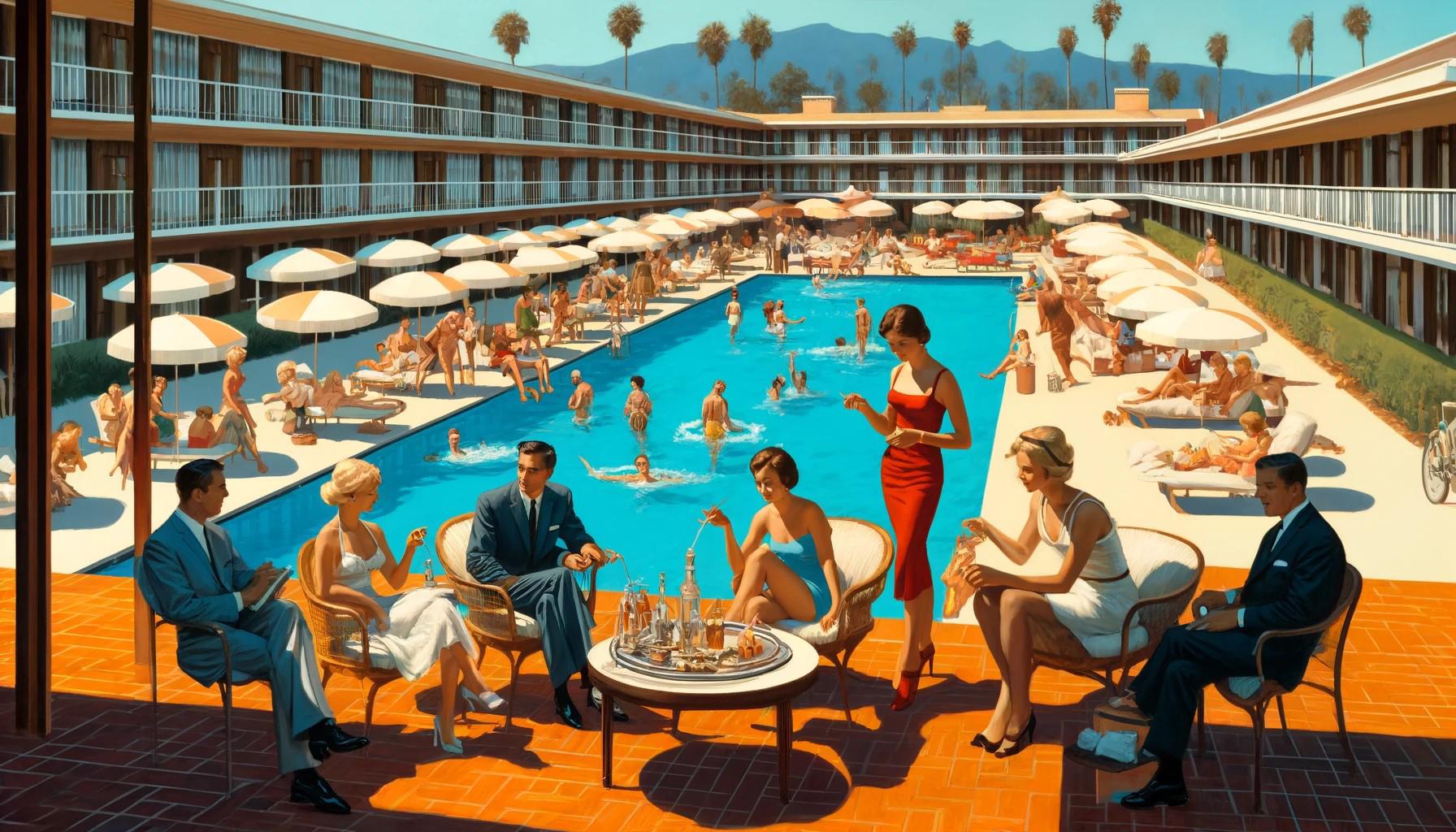
Shortly after La Concha's strong opening, Doumani collaborated with Williams once again on the neighboring El Morocco. The El Morocco's scallop themed round facade matched well with La Concha's futuristic curved appearance. The pair were extraordinary compared to other properties on the strip.
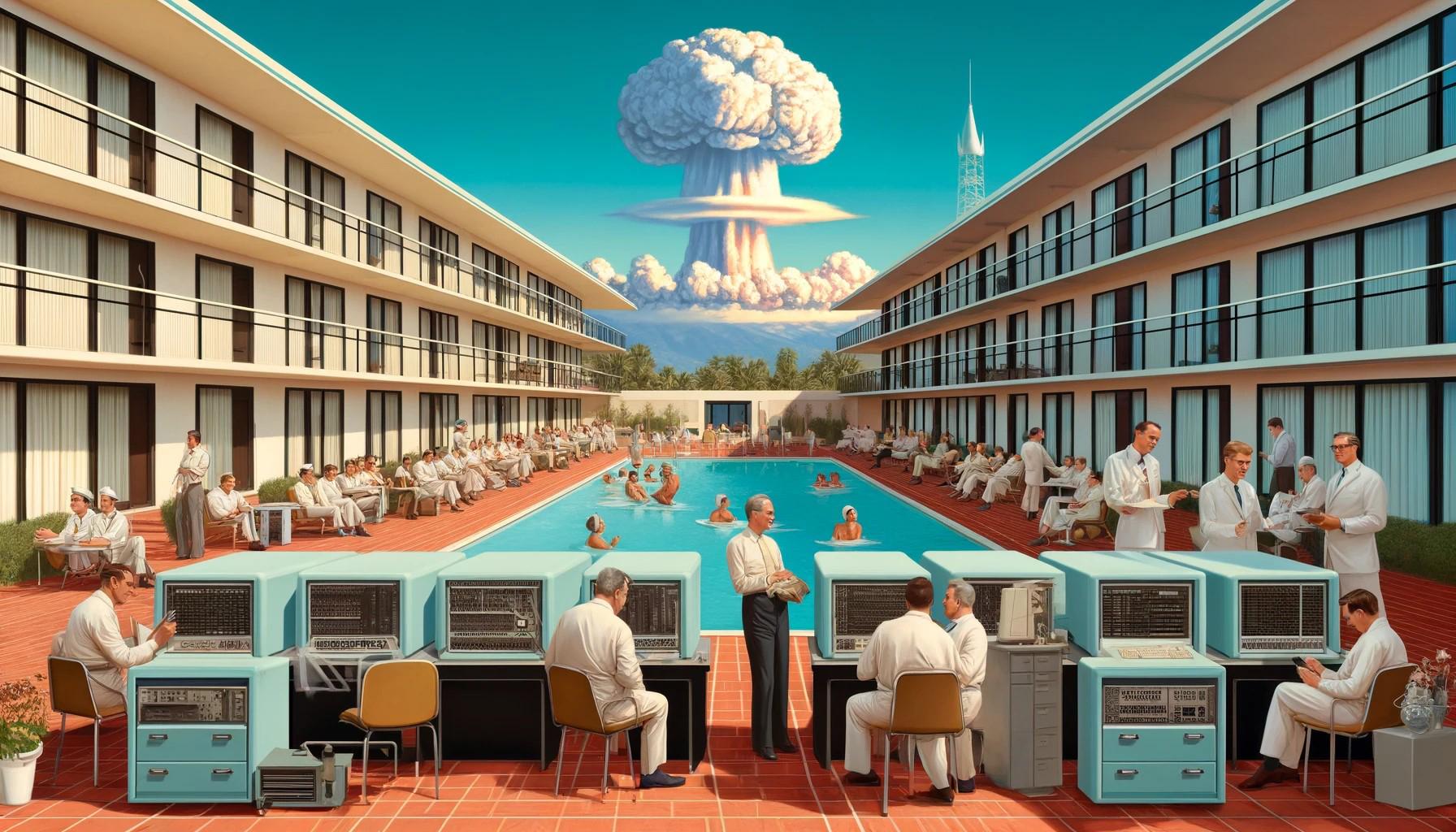
La Concha's distinct look caught the eye of government defense contractors. For several years in the early 1960s, Lockheed Missiles and Space Company (now known as Lockheed Martin), hosted the Western Joint Computer Conference at the motel. Talented computer scientists from across the country were invited for confidential interviews. It's probably not a coincidence that atomic bombs were actively being tested within visual distance of Las Vegas at the time.
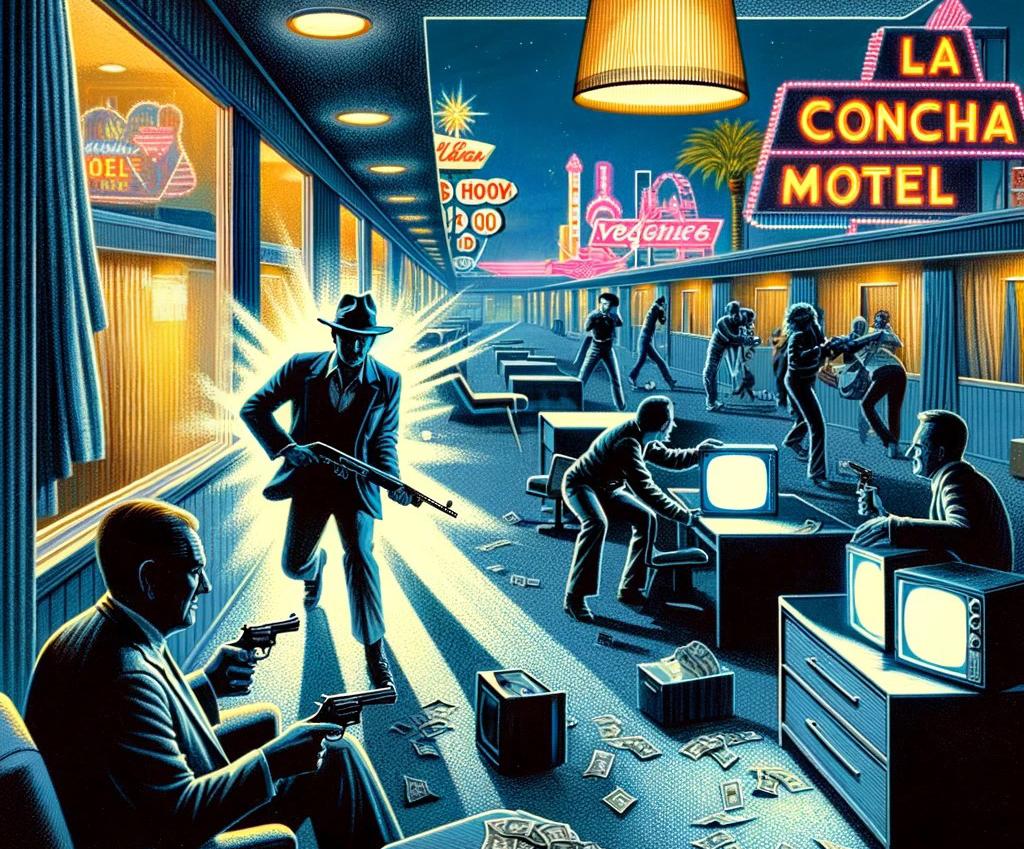
The early 1970s were marred by a series of robberies and burglaries not only at La Concha, but strip-wide. At one point in 1973, La Concha was robbed by a gun brandishing man in broad daylight, making off with $1500. Later in the same year, the property was hit by thieves taking televisions after booking rooms with false credit cards.
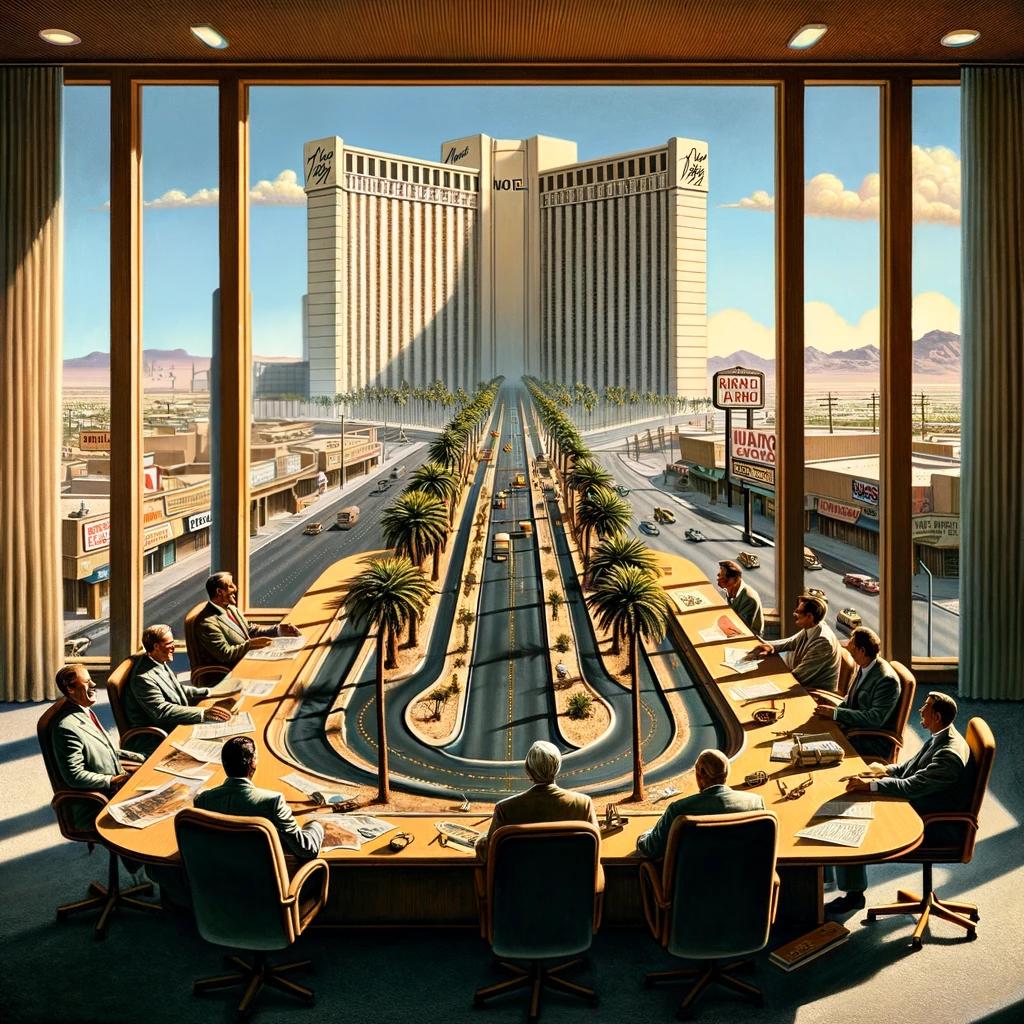
La Concha was featured in several films during the 1990s, including the 1995 film, "Casino". By the end of the millennium the Doumani family developed plans for a luxury residential hotel on the site. Property taxes and operating cost increases had impacted profits. At one point, the Doumani Family had to pay nearly $300,000 as part of a "beautification" project on the Las Vegas strip. For their contribution, five palm trees were planted along a newly installed median.
In 2003, it was decided that La Concha would be demolished, making way for a condo and hotel resort. On December 11, 2003 the motel structure behind the legendary lobby was demolished. La Concha, grasping for life, maintained operations for several months with their hotel tower, and rooms at the former El Morocco motel.
The lobby was the only remaining structure by August of 2005. It was still open, but now operating as the sales office for Majestic Condos. The Doumani Family attempted to save the structure by including it in the new Conrad Hotel project. That effort ultimately failed when an acceptable design couldn't be developed.
Understanding the building's importance to Las Vegas history, Doumani donated the lobby structure to the Neon Museum. Doumani intended to raise $600,000 to have the building dissected and relocated to the Museum a few miles away. In late 2005 the Las Vegas Convention and Visitors Authority contributed $300,000 to the effort. The remaining $300,000 was raised at a fundraising reception.
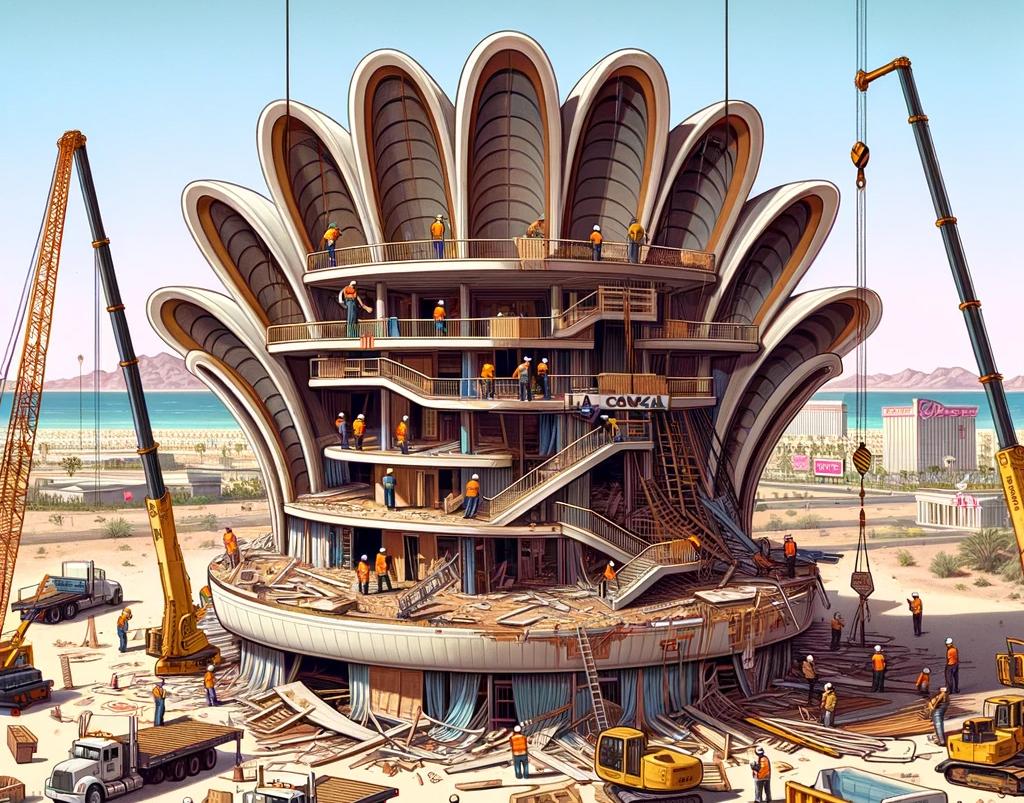
With the funding secured for the relocation project, La Concha had to be carefully disassembled. The thin concrete structure needed to be reinforced and strategically dissected. It was carefully sliced into 8 chunks and transported to the nearby Museum.
After the impressive campaign to preserve and relocate the La Concha, the Federal Highway Administration issued an $800,000 grant to ensure a successful renovation at the Neon Museum. The rebuilt La Concha lobby would be used as the museum's Visitors' Center.
Many of the original interior features were included in the rehab, including the classic mosaic lobby sign. A portion of the original main neon roadside sign was restored as well. Now reborn, and known as La Concha Visitors' Center, the classic structure is integrated into the Neon Museum's trademarked logo.
The original concrete curves continue to project the atomic-age experience, over half a century since its creation. Plans for multiple projects at La Concha's original location have dissolved, and the property sits vacant. I'm hopeful that one day a similarly eccentric attraction might emerge on the site.
Matchbook No. 0008 · Catalogued 7/6/24
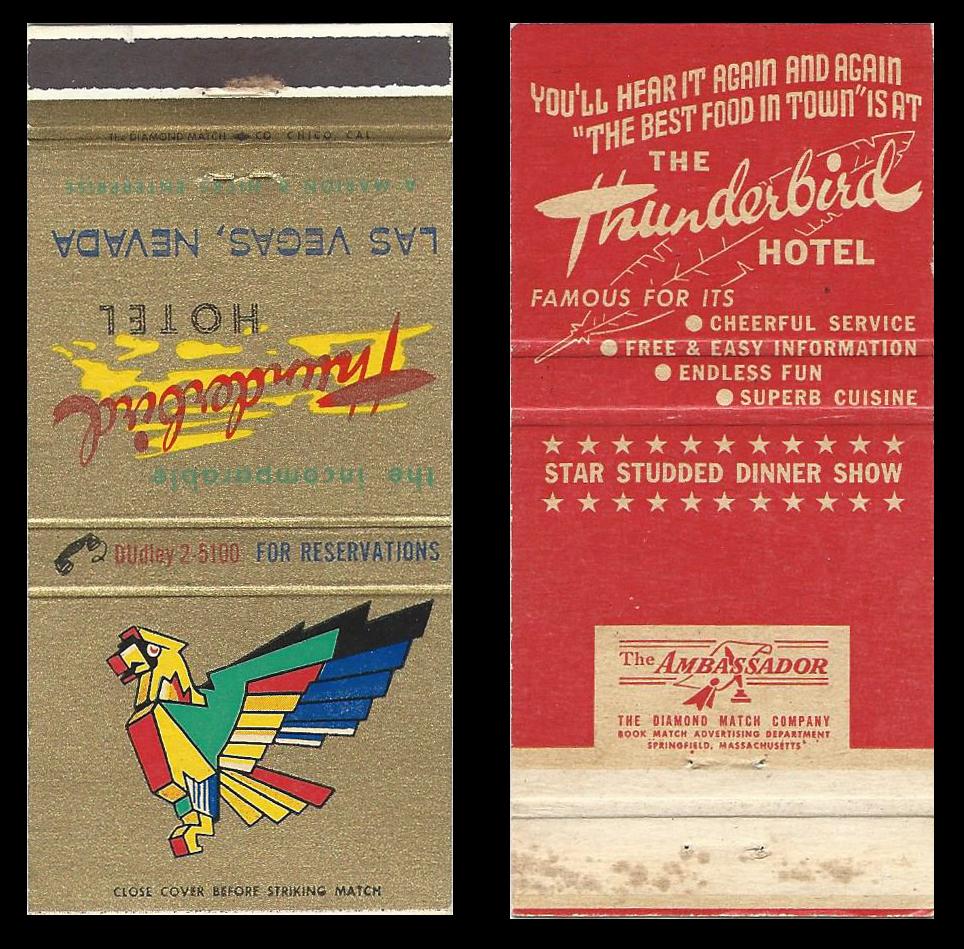
In Native American lore, the Thunderbird symbolizes power and strength. It's said that this mythical creature can generate thunder by flapping their impressive wings. This early 1960's flat from the Thunderbird Hotel is truly exceptional! The indigenous-themed design displays Art Deco influences and similarities with Aztec artwork. Red and gold backgrounds dominate the layout, providing a vibrant color palette for this well preserved matchbook.
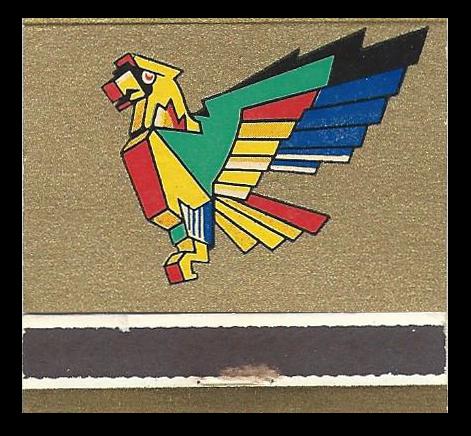
Exceptional native styling animates the Thunderbird, with geometric perspectives adding dimension. The cleverly utilized color palette brings the legendary idol to life from the rich golden background. The Thunderbird's powerful talons are poised to capture potential customers! Red, yellow, blue, and green colors combine to create a remarkable front cover. The striker appears unused, although a rust mark hints at its long life.
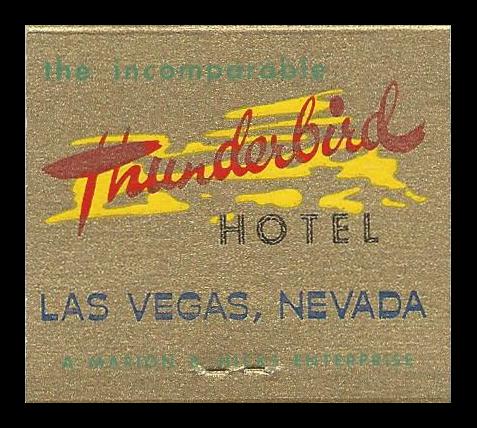
A playful typeface is used for the "Thunderbird" title. A shimmering gold background dominates the back cover, featuring a metallic finish. A splash of yellow behind the title adds depth and visual interest. The Thunderbird's "T" is completed with a feather motif that mirrors the design on the interior. Green and blue fonts add enough color to complete this streamlined layout.
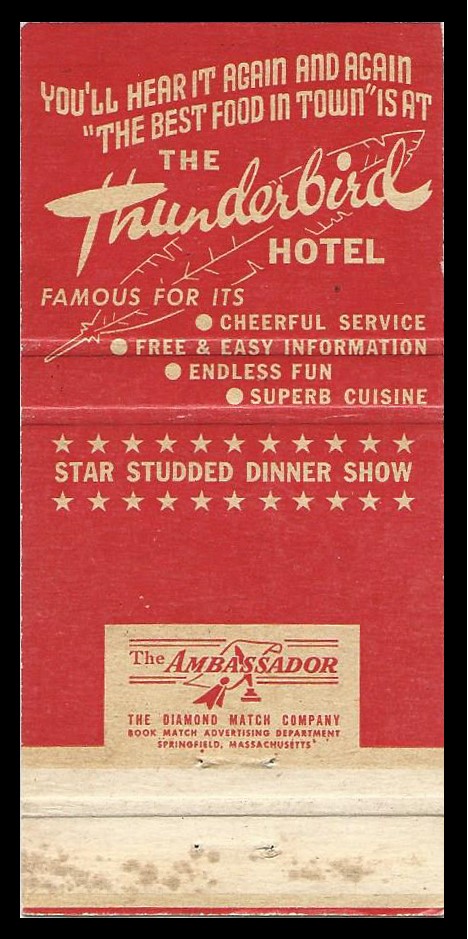
The interior's red background competes nicely with the exterior's rich golden finish. Curving text captures attention, directing eyes to the main "Thunderbird Hotel" title. An intricate feather outline provides a cohesive base. Thunderbird feathers are thought to protect against evil spirits and negative energies. Staggered hotel highlights are displayed above a marquee of stars that surround a promotion for the "Star Studded Dinner Show". The lower portion reveals the Ambassador style from Diamond Match. The Ambassador was a "30 Strike" variation introduced in 1952. The bottom interior saddle area shows slight evidence of moisture damage.
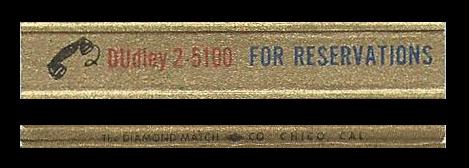
The top features a 5-digit phone number in red, alongside a classic black phone logo. "For Reservations" in blue shapes a pleasing contrast to the red, and vibrant gold hues. The saddle area indicates the Diamond Match Co. as the manufacturer. A miniature Diamond Match logo is centered, separating the maker and factory locations.
On September 2, 1948, the Thunderbird Hotel became the fourth major resort to debut on the Las Vegas Strip. It was owned by developer Marion Hicks and Lieutenant Governor of Nevada Clifford A. Jones. Actress Dawn Wells' Father, Joe Wells was also a partner at the Thunderbird. With a construction cost exceeding two million dollars, its luxurious atmosphere quickly made it a popular destination.
Just prior to opening, a thirsty burglar pulled off a unique heist. The motivated culprit removed hinge screws from the storehouse door to gain access to the Thunderbird's alcohol supply. The burglar made off with a truck full of beer - at least several cases.
The Thunderbird Hotel presented an impressive array of amenities, including 79 spacious hotel rooms, a vibrant casino, and a stylish bar featuring a majestic fireplace. Each room was equipped with individual heating and cooling controls, a notable innovation at the time. A circulating ice water supply was also available in every room, providing guests with unparalleled convenience. Bathrooms boasted pastel colored fixtures - a rare site in the region since World War II concluded.
Harry O. Payton was recruited as Executive Chef, bringing 35 years of experience to the Thunderbird's kitchen. He previously served at the famed Drake Hotel in Chicago. Ginny Simms was head of the hotel's floor show - a star of the screen and radio waves of the 1940's.
In October 1954, a series of articles in the Las Vegas Sun alleged that notorious underworld figures, Jake and Meyer Lansky, had hidden shares in the Thunderbird. The allegations sparked a state investigation into the resort's ownership, with officials questioning Hicks and Jones' connections to the Lanskys.
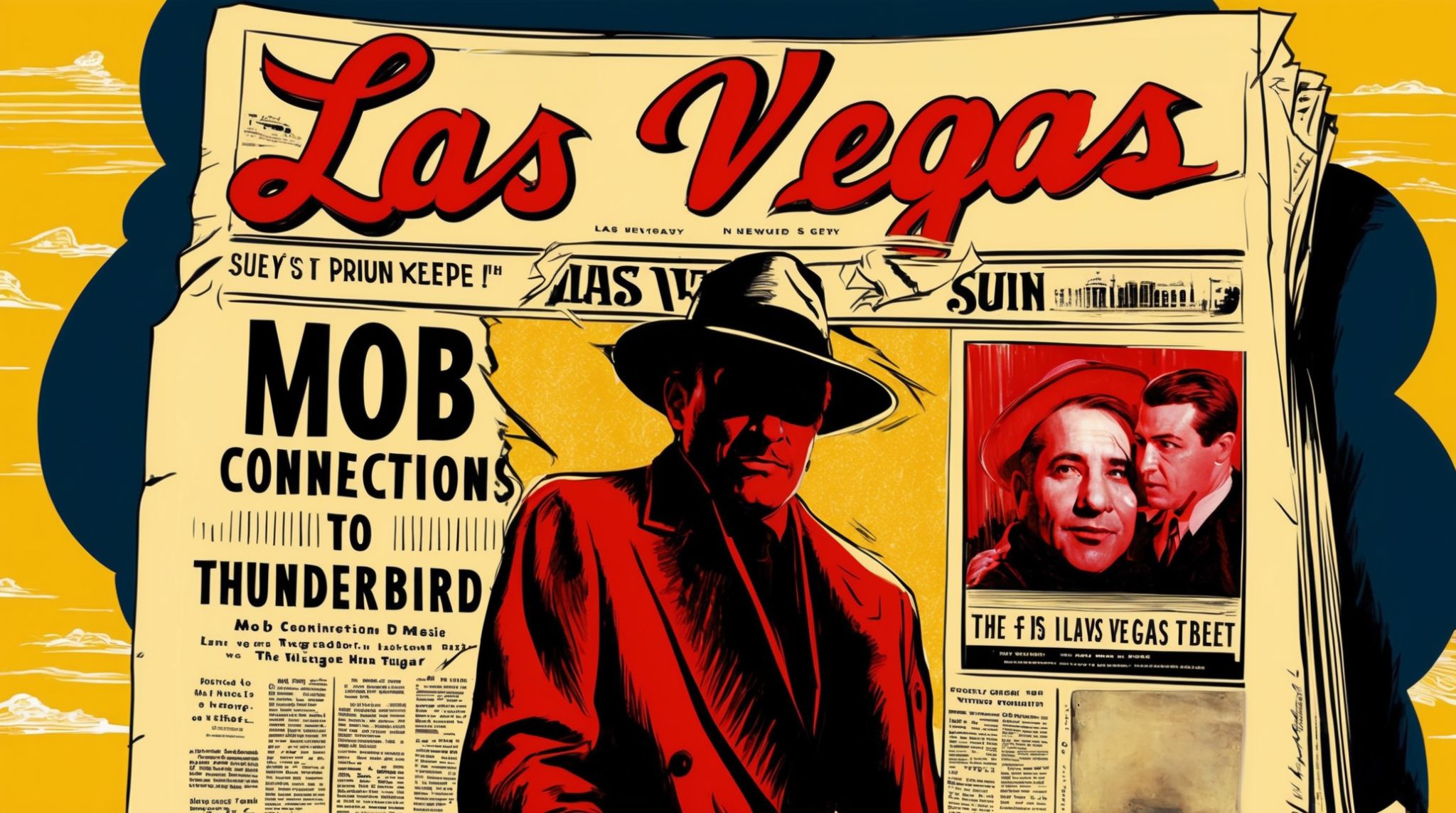
As the investigation continued, rumors of a "reign of terror" executed by the Sun's publisher, Hank Greenspun, began to surface. Greenspun, a vocal critic of Hicks, was accused of using his newspaper to intimidate and blackmail rival businessmen. Greenspun had become frustrated that the Thunderbird would not advertise in the Sun.
Tensions erupted in 1955, when the Thunderbird was ordered to show cause at a hearing as to why its gaming license should not be revoked or suspended. Hicks and Jones denied any involvement with the Lanskys, however the damage had already been inflicted.
It was later revealed during the Thunderbird's construction, that Hicks had obtained a loan from a business associate of the Lanskys, George Saldo. Unknown to Hicks, Saldo would later restructure the loan and assign half of it to Jake Lansky. This led to Hicks making indirect interest payments to Jake Lansky during the early 1950's.
Hicks and Jones were ordered to sell their interests in the Thunderbird within two months on April 1, 1955. The resort's gaming license was at stake, one of the harshest penalties in Vegas history at the time. Hicks and Jones promptly obtained a temporary restraining order that blocked their ouster from the Thunderbird.
In 1961, a group of businessmen attempted to lease the Thunderbird from Hicks after he was hospitalized during his battle with cancer. However, the plans were scrapped when Hicks regained his health and refused to relinquish control. Tragically, Hicks died just months later at the age of 57.
The passing of Hicks signaled a new era for the Thunderbird, with Joe Wells taking over as managing director. Under his leadership, the resort became synonymous with sporting events, including wrestling and boxing. The Thunderbird even sponsored a deer-hunting contest, further solidifying its reputation as a hub of excitement.
Big Joe's Oyster Bar was introduced at the Thunderbird after a renovation in 1962. Its dining area mimicked the interior of a ship. Deliveries of fresh oysters were flown in daily from New Orleans. Big Joe's was the first Oyster Bar to open in a Vegas Casino and was highly regarded.
The Del Webb Corporation divulged plans to purchase the Thunderbird from Jones and Wells in 1964. Del Webb already owned the Sahara resort and was working to expand their footprint in Vegas. The deal was approved by state authorities in January of 1965 for 9.5 million dollars.
Following the Del Webb purchase, business began to slow. In January of 1967, Del Webb would sell the resort to Lance Inc. for 13 million dollars. This was very brief, as Lance Inc. defaulted on its payments to Del Webb at the close of 1967. After refinancing efforts failed, Del Webb would once again operate the resort.
Caesars World, owner of Caesars Palace, would ultimately take the Thunderbird off of Del Webb's ledger in 1972 for 13.5 million dollars. They planned to transform the property into "The Mark Anthony", a 2000 room hotel that would serve as a companion property for Caesars. After a tremendous world-wide funding search, Caesars failed to obtain the $150 million needed so the project was canceled.
In an innovative move, the Thunderbird acquired a 4-engine 720 jetliner in 1974, using it to transport guests and entertainers across the country. It is thought that the Thunderbird was the first Las Vegas resort to own a plane of this size. The plane was purchased as assurance for transportation during the energy crisis, as there was a shortage of charter jets.
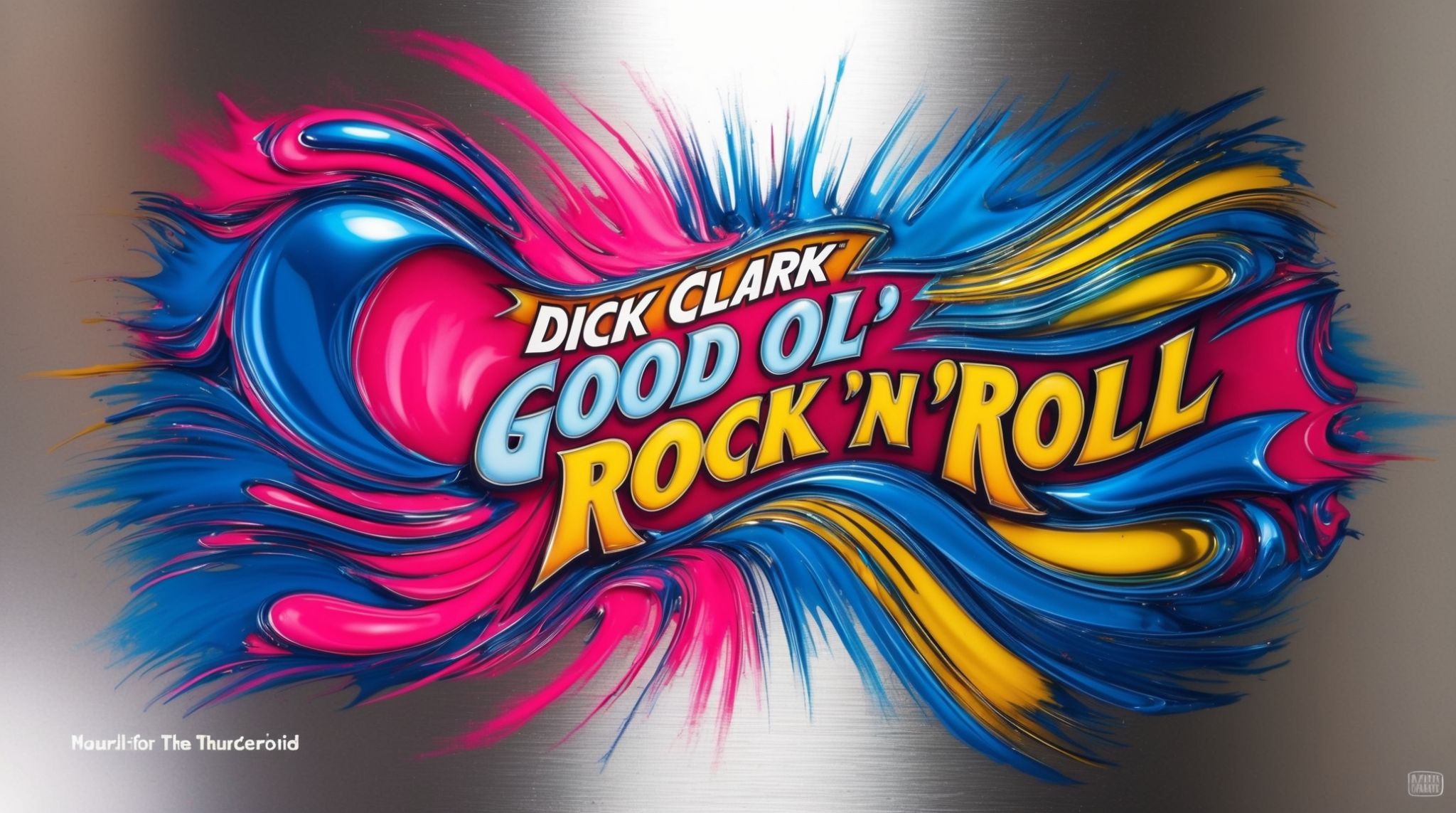
Dick Clark's "Good Ol' Rock 'N Roll" revue was a hit for the Thunderbird in 1975. The Show focused on 1950's music featuring some of Rock's biggest entertainers. Jackie Wilson, Cornell Gunter & The Coasters, and Dion DiMucci all performed in this Golden Oldie tribute.
The Thunderbird would sell once again in 1976 to the Tiger Investment Company. The sale's contract included a "leaseback" provision, meaning Caesars would continue to operate the casino during Tiger Investments' ownership. The Thunderbird had become a huge financial liability for Caesars.
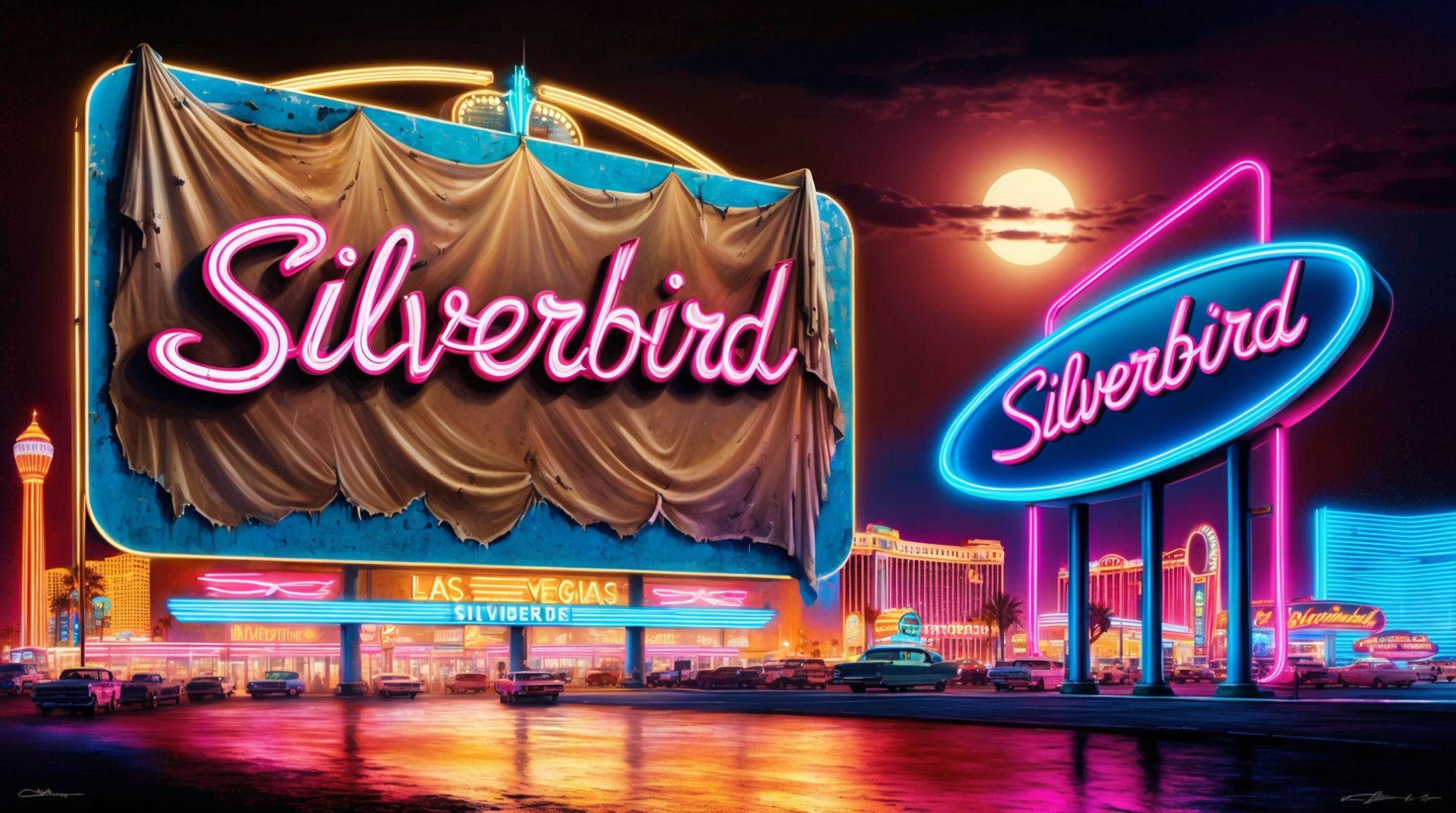
Caesars World would eagerly relinquish control of the Thunderbird to Major Riddle in December of 1976. Riddle also operated the Silver Nugget and the Silver City Casino. He had ambitious plans for the property, rebranding it "Silverbird", to stay consistent with his other locations. He intended to target the local market, which had been forgotten during the "carousel" of ownership.
The Thunderbird was quickly rebranded as "The Silverbird" on January 1st, 1977, marking the end of an era. The structure would continue to morph and evolve over the years, and was eventually demolished in 2000. The site is now home to the recently opened Fontainebleau Las Vegas.
Matchbook No. 0012 · Catalogued 7/14/24
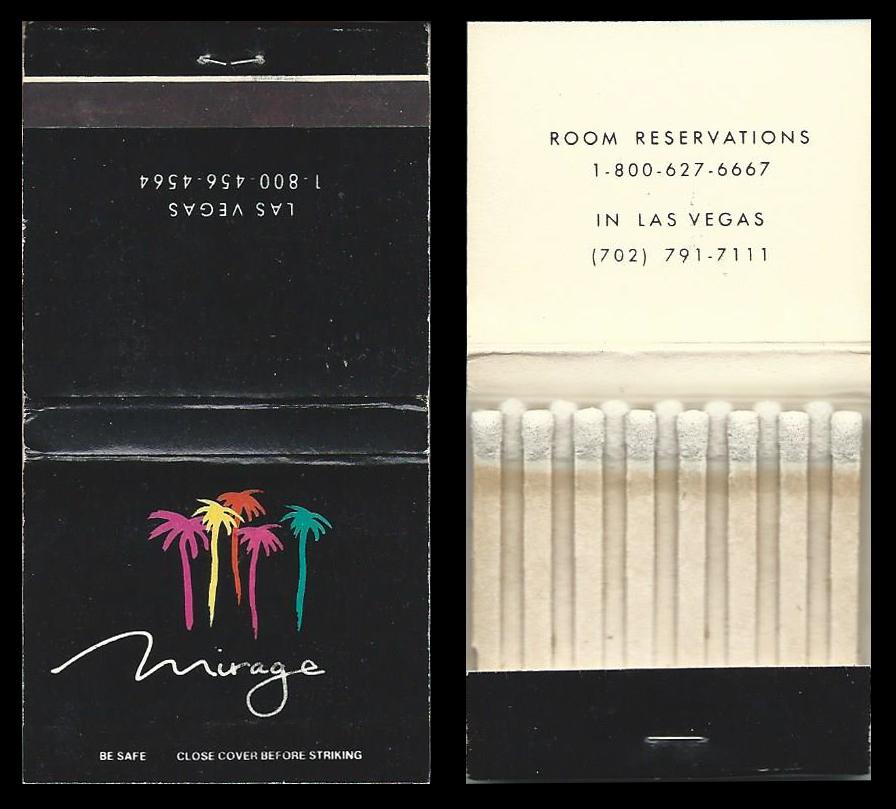
This vintage matchbook from "The Mirage" is a masterpiece in understated elegance. It features a streamlined design that echoes the bold Warhol-inspired aesthetic of its era. The clever application of neon hues adds a pop of 1990's flair, elevating the overall visual appeal. Despite being nearly 30 years old, this common specimen remains well-preserved, with only minor signs of wear on the edges and no strikes to mar its pristine condition.
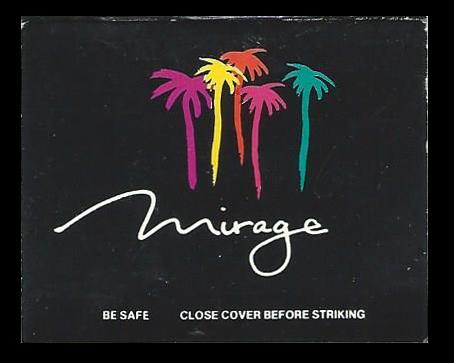
The center of the iconic "Mirage" logo contains a majestic ensemble of hand-drawn palm trees, nestled against a dramatic black backdrop. Each tree is uniquely imperfect, arranged in a playful cluster that seems to sway in the desert breeze. "The Mirage" name serves as an off-center anchor, while the exaggerated "M" draws attention to the custom script font, reminiscent of a handwritten signature penned with heavy ink. This distinctive logo would later inspire the typography used for Wynn and Encore, solidifying its status as a 'design icon' of the Las Vegas Strip.
The matchbook's back boasts a black base that provides a refined backdrop for the simple yet effective design. A central 1-800 number is presented in clean text above the striker, while the striker itself remains unused and bears subtle signs of wear from years of handling.
The minimalist aesthetic continues on the inside of "The Mirage" matchbook, where a crisp white background provides a striking contrast to the black text. The Century Trade-inspired font adds a touch of professionalism, listing additional phone numbers for room reservations, including a local number for convenience.
The top is solid black with no features but its wear. The saddle indicates Atlas Match Corporation as the manufacturer, produced at their LA factory.
The strip's first mega-resort, "The Mirage", opened November 22, 1989. Built on land once occupied by the 1930's "Red Rooster Nightclub", it was the dream of the legendary developer Steve Wynn. The beloved resort's impact on Las Vegas can't be understated. It initiated the massive construction explosion of the 1990's which transformed the Las Vegas Strip into a sea of themed destinations.
Upon its debut, "The Mirage" was the most expensive resort ever built. Wynn would sell his Atlantic City "Golden Nugget" property to finance the project. The $630 million dollar price tag was a staggering sum for the late 1980's. It ranked among the largest hotels in the world with 3049 rooms. Wildlife habitats, an interior tropical rainforest, and an erupting strip-side volcano would exemplify the Mirage's presence in Las Vegas.
Several names were considered during the property's development including "Bombay Club", and "Wynn". In December of 1988, the final name was picked - "The Mirage". Wynn would compensate other properties using the "Mirage" name to secure its exclusive rights. The "Mirage Motel" and "La Mirage Hotel and Casino" were happy to rebrand after a $250,000 payment.
Elaine Wynn convinced her husband to revise his original plans to build right beside the strip. She recommended placing the hotel further back away from Las Vegas Blvd. She intended for visitors on the street to have the optimal view to truly appreciate the Mirage's majestic architecture and stunning scale.
Rather than roadside entrances, visitors were greeted with a dazzling display from an erupting volcano surrounded by a tropical lagoon. Intrigued patrons were enticed to explore the palm and fern lined paths leading to entrances. Guests became totally immersed in Polynesian and tropical themes that transcended anything at the time. Over 1000 palm trees populated ten acres of the tropical landscape.
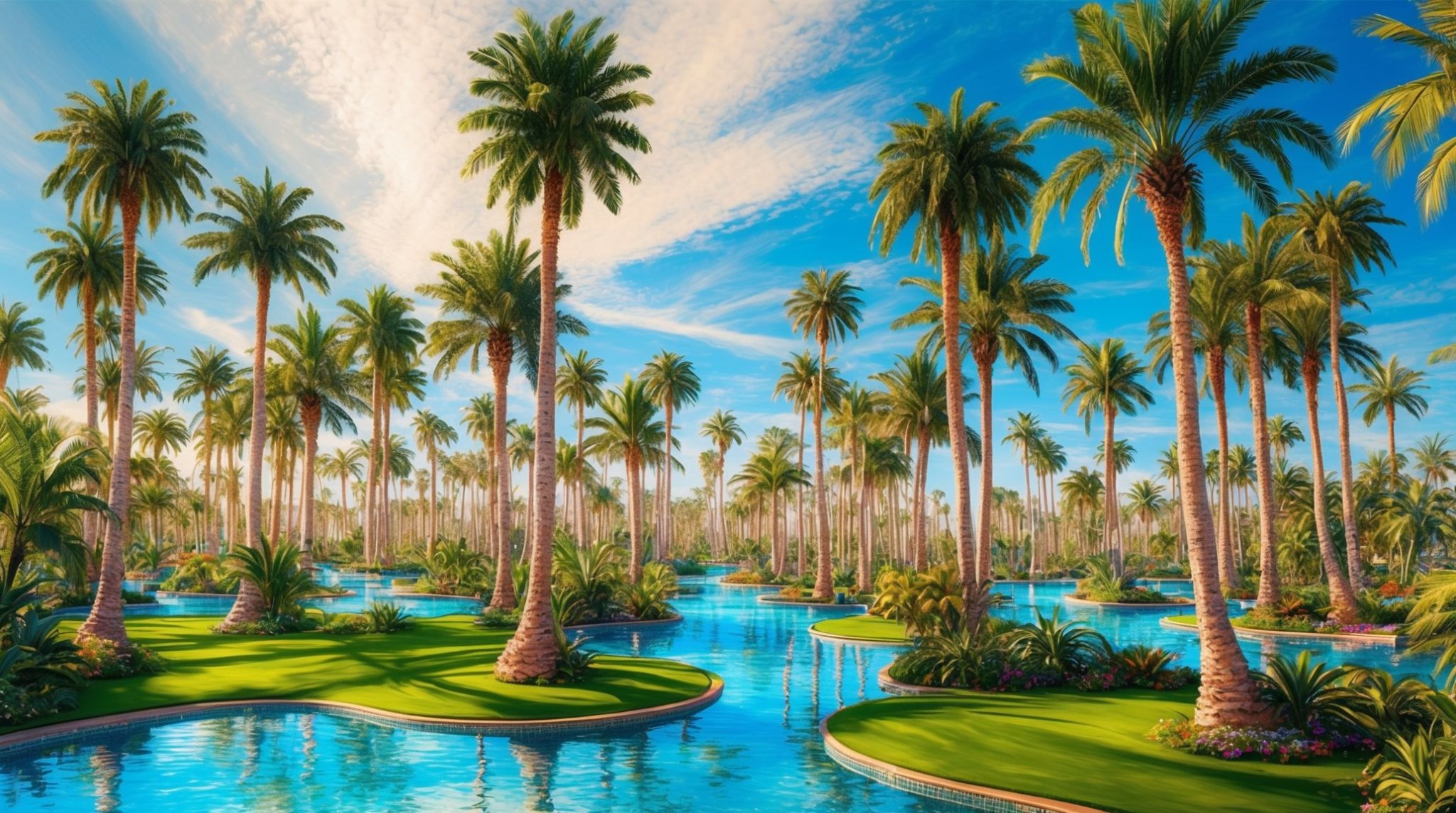
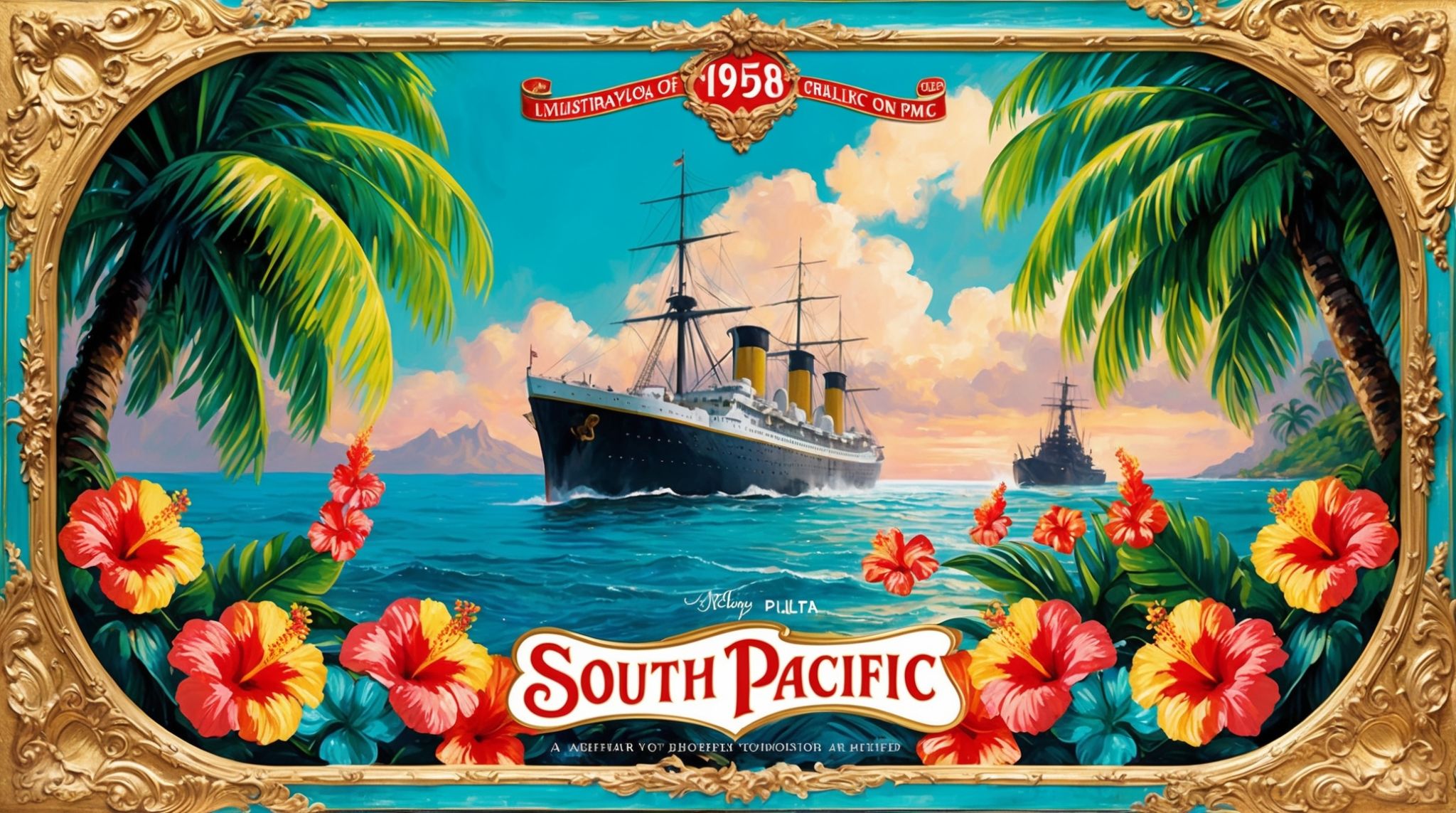
Wynn's passion for innovation on "The Mirage" was partially motivated by the bland, stale, repetitive properties around the strip. The Dunes, Sands, Aladdin, and Sahara all had similar formulas and were hard for guests to differentiate. Wynn believed 'neon lighting' had run its course, and desired a modern look for his mega-resort. The 1958 film "South Pacific" impacted several aspects of his design and decor choices.
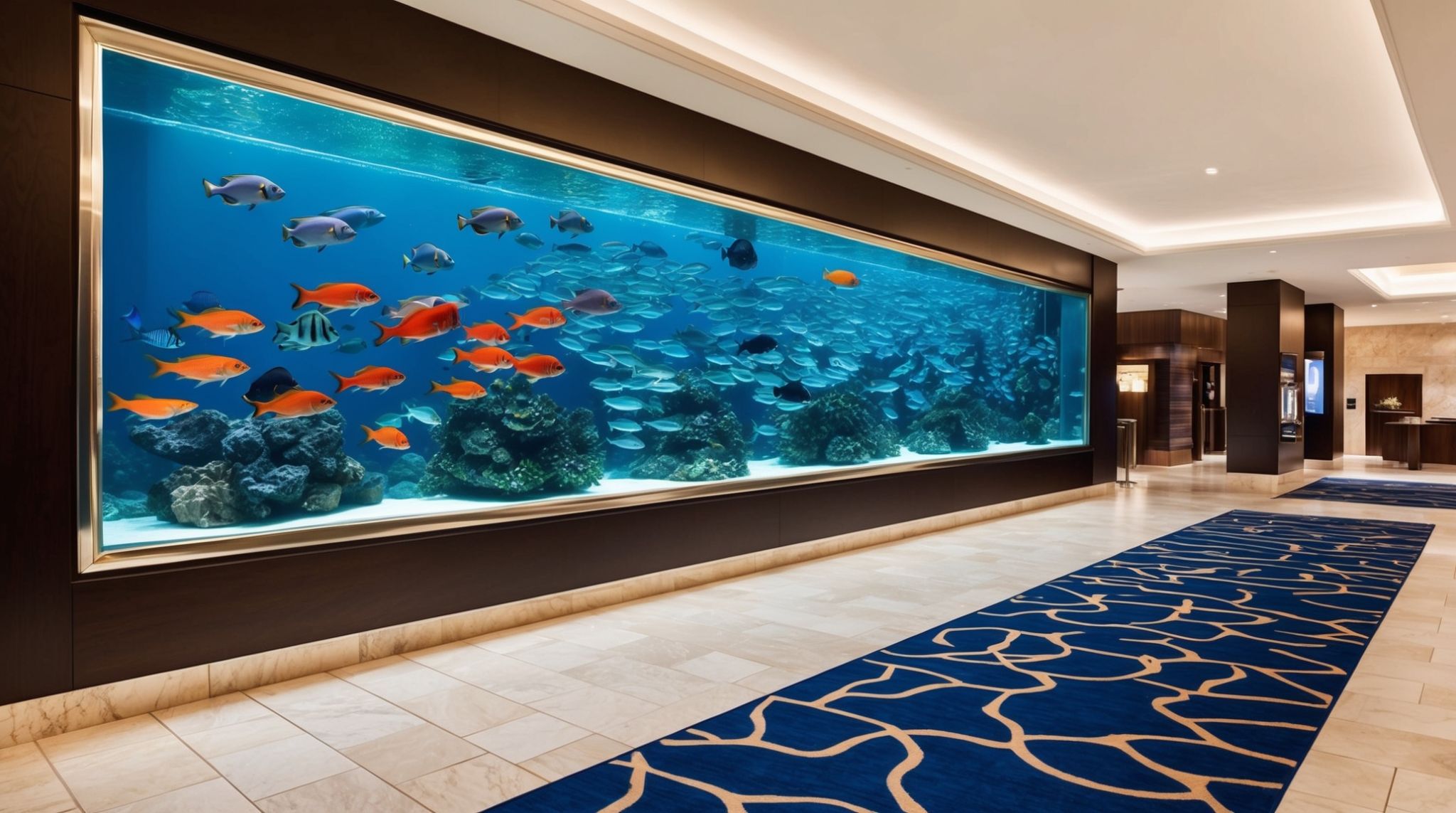
Exterior windows were fashioned with 18-karat gold, creating horizontal golden stripes that enhance "The Mirage" visually. The lobby features a million dollar aquarium containing hundreds of tropical fish. Its placement was intended to calm guests as they awaited check-in.
On the first day of operations in 1989, a guest hit a $4 million dollar jackpot playing slots. Despite the initial setback, "The Mirage" would go on to win $40 million dollars from gamblers during their first month. It was speculated this was a record take for a Vegas hotel casino. As "The Mirage" quickly surpassed expectations, Wynn would rebrand his company "Golden Nugget Inc" as "Mirage Resorts".
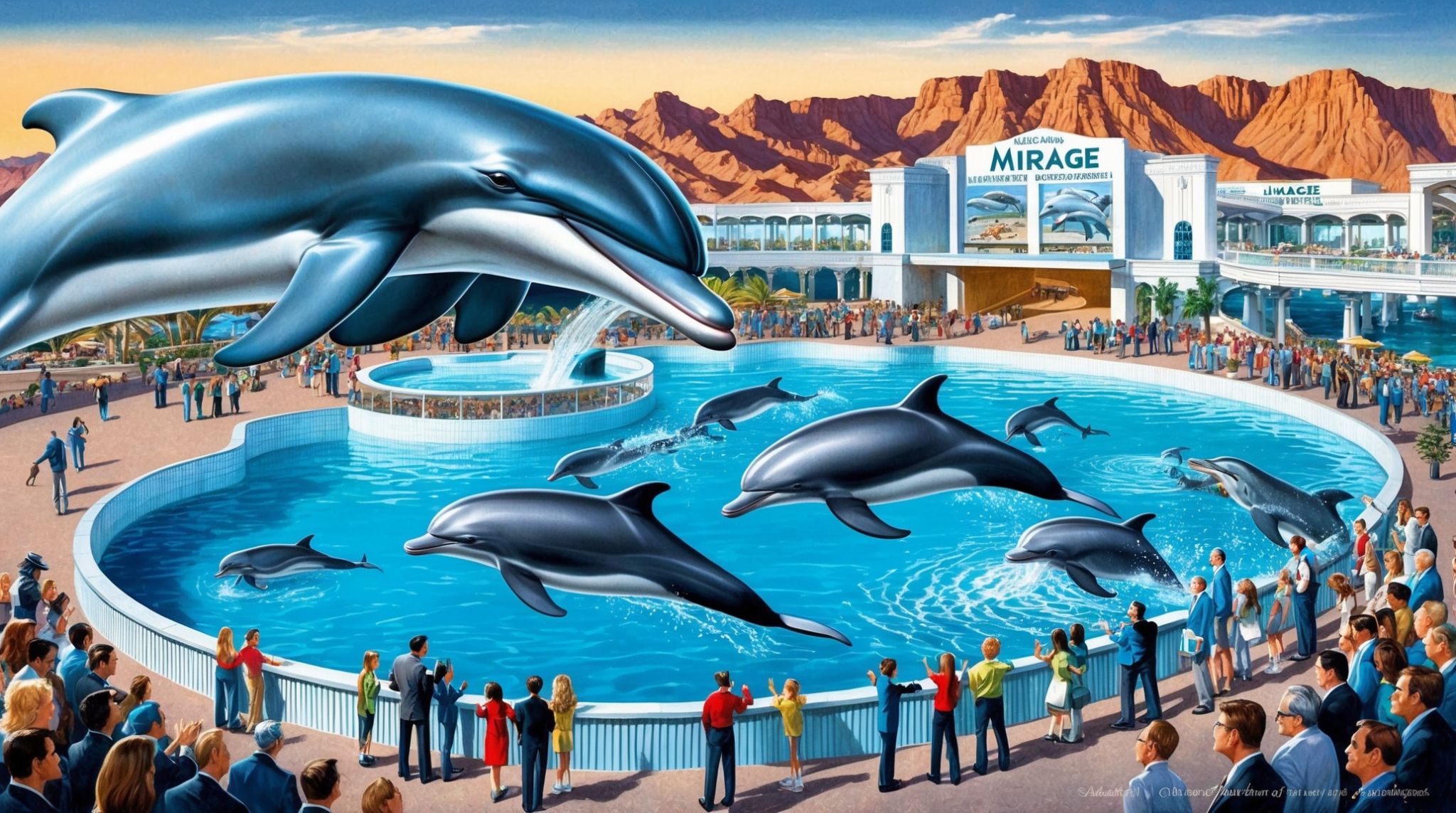
An enormous dolphin habitat would open in October of 1990, featuring 2.5 million gallons of water capacity across four pools. The aquatic attraction would serve as a research and educational hub. Tours were popular, especially for local school children. Visitors were able to interact with the dolphins during the tour.
Entertainment was booming at "The Mirage" in its early years. Siegfried & Roy had a $58 million deal and began performing in February 1990. A new reserved seating policy instituted by Wynn was a welcome break from other properties. Guests no longer needed to wait in line hours ahead of showtime, or heavily tip hosts to get a decent seat.

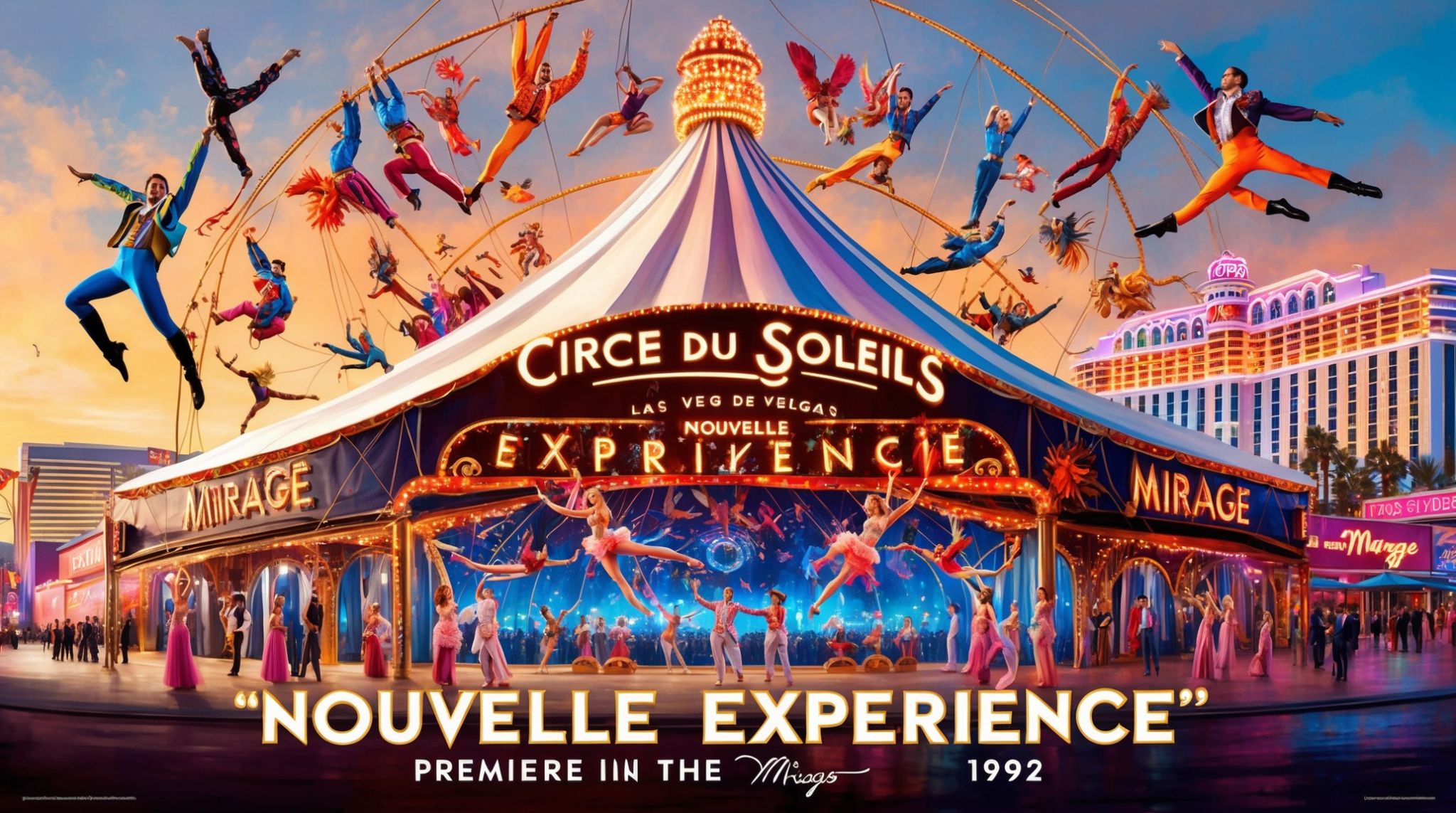
Several high profile boxing matches were showcased throughout the 1990's. Sugar Ray Lenoard, Buster Douglas, and Mike Tyson all had fights at the venue. "Cirque du Soleil" would premiere in Las Vegas at "The Mirage" in 1992 with "Nouvelle Experience" - initially performed in a $5 million tent behind the property.
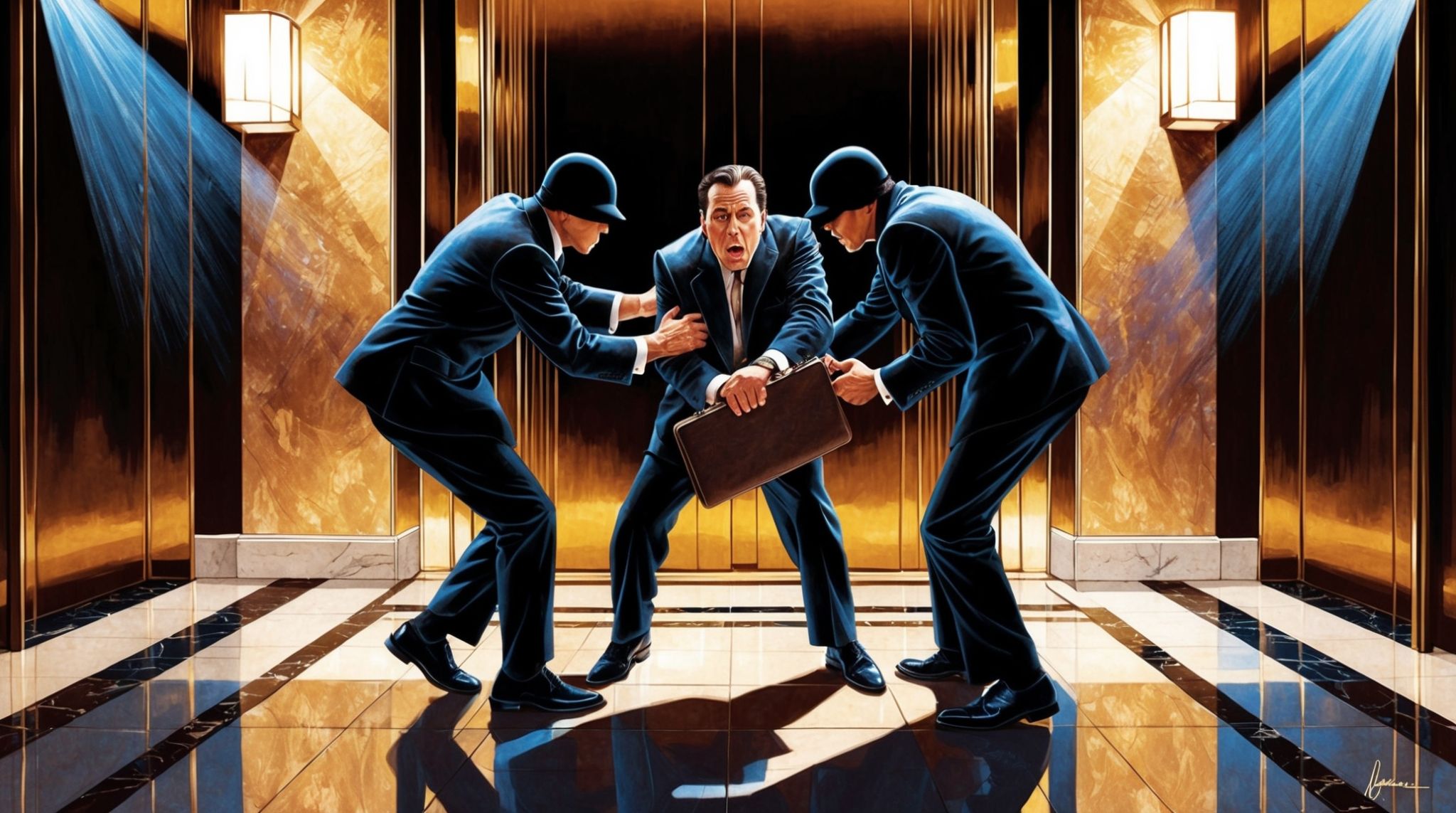
In 1992, New York dock worker Joseph Conterino claimed he was robbed by two men outside of an elevator at the resort. The thieves allegedly made off with $70,000. Conterino blamed the incident on the poor security presence at the hotel. Conterino was the son of former crime boss Dominic "Baldy Dom" Conterino. He would sue "The Mirage" and endure a grueling legal battle lasting 10 years before a settlement was reached.
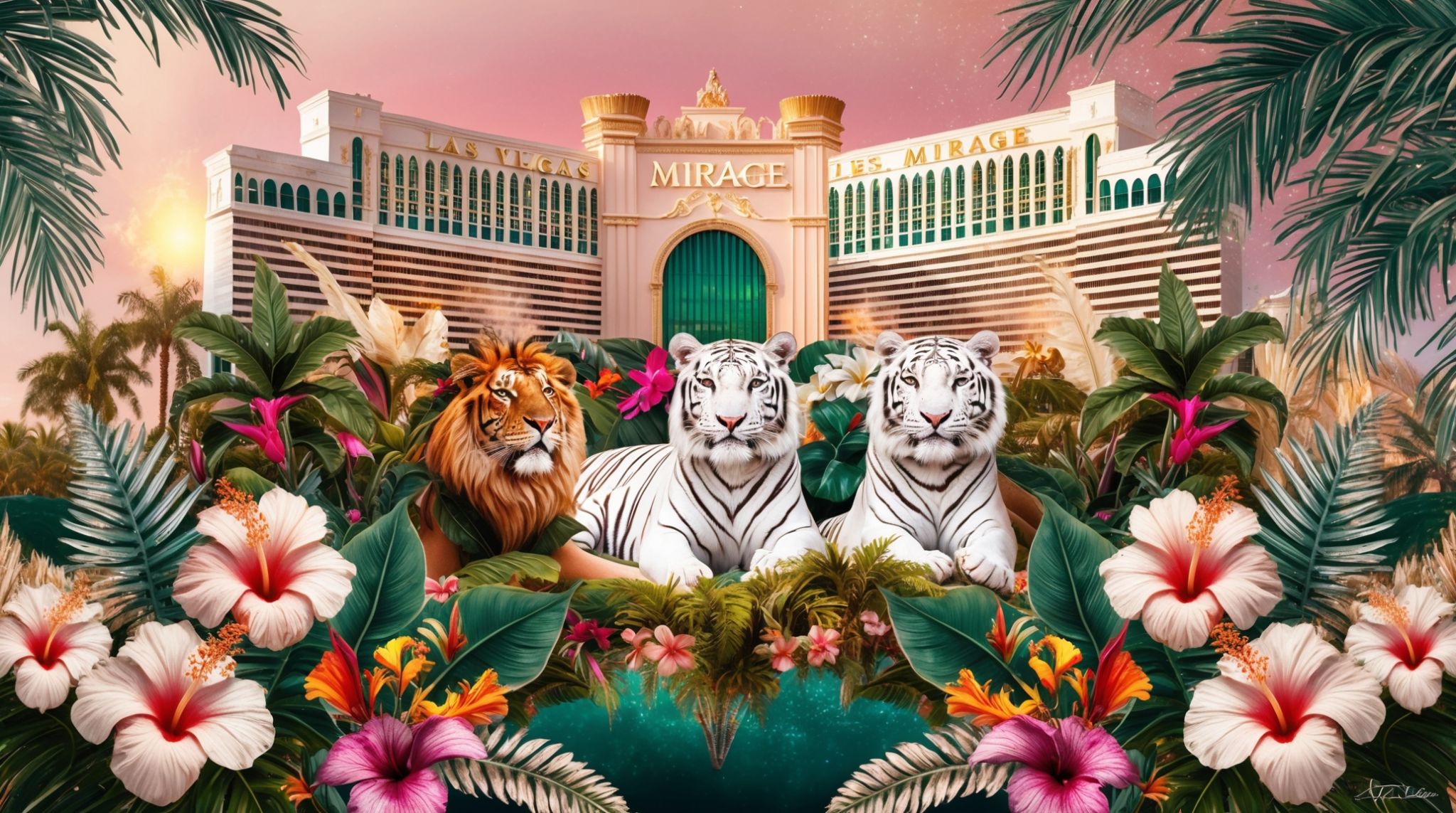
The Mirage added the "Secret Garden of Siegfried and Roy" in 1996 beside the dolphin habitat. The 2.5 acre garden showcased animals featured in the duo's shows including a variety of tigers and lions. The garden and dolphin attractions would later consolidate into "Siegfried & Roy's Secret Garden and Dolphin Habitat ''.
By 1997 "The Mirage" was the most profitable resort around and would be featured in several movies and television shows. "Vegas Vacation" was filmed at the resort in 1997, requiring portions of the resort to be closed for production. It was also one of the three properties robbed by Daniel Ocean in 2001's "Ocean's 11".
Wynn's exit would arrive in 2000 when "Mirage Resorts" was acquired by "MGM Grand Inc.", allowing him to depart on a high note. However, he still harbored ambitious plans to further transform the Las Vegas skyline.
Following the tragic end to the legendary "Siegfried and Roy" show, $100 million was used to remodel their theater. The newly transformed space would host the Beatles show "Love" by "Cirque du soleil". The fresh venue had 2000 seats and was the largest "Cirque" stage in Vegas.
MGM would pour $100 million into a renovation in 2008 which added dining options and refreshed hotel rooms. The twenty year old Mirage maintained its popularity while competing in the shadow of larger, more modern resorts. While MGM would evolve over the years, they would manage the property until its acquisition by Vici Properties in 2022.
After Vici Properties purchased "The Mirage", it was quickly announced it would be rebranded as the "Hard Rock Las Vegas". Hard Rock International acquired Mirage's operations from MGM Resorts prior to the Vici deal and agreed to lease the property from them to operate the Hard Rock Las Vegas.
"The Mirage" name would be licensed to Hard Rock for three years before the official rebrand would commence. Those three years are set to end on July 17, 2024, when "The Mirage" will take its final bows. Its iconic legacy and impact will never be forgotten. The first themed mega-resort sparked an exciting era for Las Vegas - but the perpetually shifting skyline constantly seeks innovation and change.